
Plants
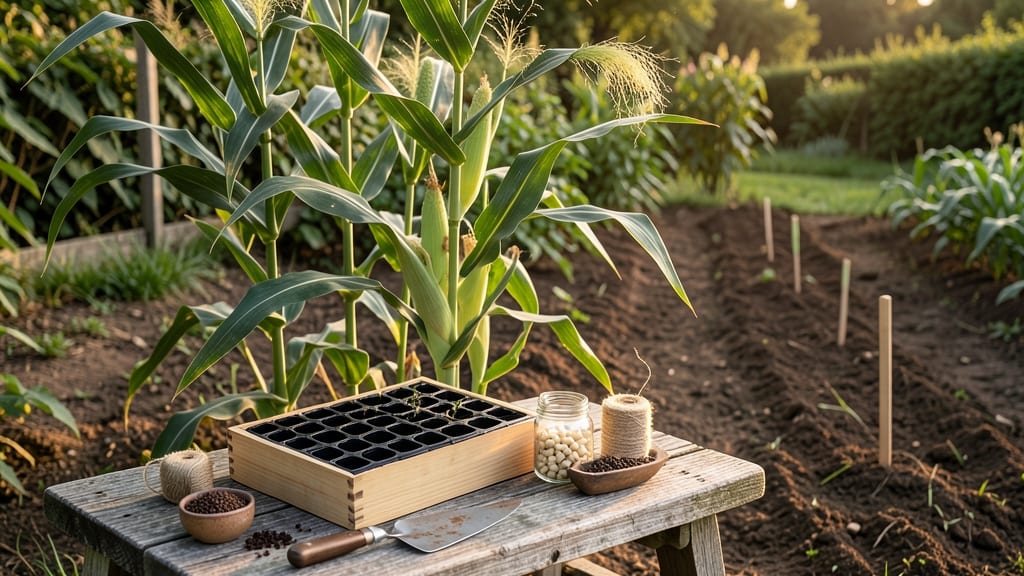
Timing your 🌽 corn planting in Canada is the single most important factor for a successful harvest—or a total flop. Skip the last-frost window, and you might end up with seedlings that freeze before they even sprout, or ears that never fully mature before fall's chill sets in.
From the 2b zones of Atlantic Canada to the 8b warmth of Ontario's Golden Horseshoe, each region has its own ideal window—usually between May and early June—but getting it wrong can mean the difference between a towering stalk of sweet corn and a sad, stunted plant.
I've seen gardeners in British Columbia rush planting in April only to watch their seeds rot in cold soil, while their neighbors in Alberta wait until June and still get perfect ears.
What you really need is a region-specific planting guide that accounts for soil temperatures, frost dates, and even the type of corn you're growing.
Whether you're dealing with early-maturing varieties that need to bolt quickly or late-season giants that crave every extra day of warmth, knowing when to put those seeds in the ground is the game-changer for your garden.
Let me break down the exact dates you should be planting in your corner of Canada—plus how to adjust for early or late varieties so you never miss a harvest again. Your future dinner table will thank you.
Canada’s last-frost dates by region for planting corn
Canada’s vast geography means corn planting times vary dramatically from British Columbia’s mild coastal zones to Prairie provinces’ short growing seasons. The key factor is your last average frost date, which determines when to plant corn seeds outdoors.
Most Canadian gardeners aim for mid-May to early June, but this shifts 2-4 weeks later in colder regions like Quebec’s Laurentians or Manitoba’s Interlake.
For accurate timing, check your local USDA hardiness zone (2b-8b in Canada) and cross-reference with Environment Canada’s frost maps. Southern Ontario (Zone 6a) typically sees its last frost by May 15, while Vancouver (Zone 8b) can plant as early as April 15 in sheltered microclimates.
Northern regions like Saskatchewan’s north (Zone 3) may need to wait until June 10 or later.
Corn thrives with at least 120 frost-free days, so late-planting areas should choose early-maturing varieties (60-75 days to harvest) like ‘Ambrosia’ or ‘Golden Bantam’. In warmer zones, you can extend planting into mid-July for fall harvests using late-season varieties like ‘Peaches and Cream’ (100+ days).
🌱
🌽 Canada’s Corn Planting Windows by Region
| Region | Last Frost Date | Planting Window | USDA Zone | Notes |
|---|---|---|---|---|
| British Columbia (Vancouver) | April 15 | April 20 - May 15 | 8b | Long season; can plant late varieties |
| Alberta (Calgary) | May 10 | May 15 - June 1 | 4a | Use early varieties; risk of late frost |
| Saskatchewan (Regina) | May 20 | May 25 - June 5 | 3b | Short season; prioritize heat-tolerant varieties |
| Ontario (Toronto) | May 15 | May 20 - June 10 | 6a | Classic corn belt; ideal for most varieties |
| Quebec (Montreal) | May 10 | May 15 - June 1 | 5b | Late frosts possible; use row covers |
| Atlantic Canada (Halifax) |
How to adjust corn planting time for early vs late varietiesChoosing the right corn variety for your Canadian climate is just as important as timing. Early-maturing varieties (like 'Early Sunglow') thrive in cooler regions, while late-maturing types (such as 'Ambrosia') need longer summers. Matching your variety to your last frost date ensures kernels reach full sweetness before frost. Soil temperature is your best guide—corn seeds need 50°F (10°C) to sprout, but ideal growth starts at 60°F (15°C). In Atlantic Canada, where summers are short, plant early varieties by May 15 to harvest by early September. In Prairie provinces, you can stretch to late June for longer-season varieties. Use a heat unit calculator (like the one from AAFC) to estimate maturity. Most Canadian corn needs 2,000–2,500 growing degree days (GDD). Early varieties hit this in 85–95 days, while late types take 110–120 days. For example, in Southern Ontario (Zone 6), plant 'Golden Bantam' by May 1 but delay 'Peaches and Cream' until June 1.
🌽 Corn Variety Planting Guide for Canada
📅 Variety Type
🌡️ Days to Maturity
📍 Best Regions
Early (Sweet)
85–95 days
Atlantic, Quebec, Northern Ontario
Mid-Season
100–110 days
Ontario, Manitoba, Saskatchewan
Late (Field Corn)
110–120+ days
Prairies, Southern Ontario, BC
⚠️ Pro Tip: Use black plastic mulch to warm soil faster in cooler zones.
If you’re unsure about your last frost date, check local agricultural calendars (e.g., Alberta Agriculture or Ontario Ministry of Agriculture). For Northern Canada (Zones 2–4), opt for dwarf varieties like 'Golden Bantam'—they mature in 70–80 days and tolerate shorter seasons. In British Columbia’s coastal regions, where summers are mild, you can even try late varieties with a July 1 planting. For container growing, choose bush varieties (e.g., 'Tom Thumb') and plant 2 weeks earlier than outdoor dates—containers warm up faster. Always monitor soil moisture; corn in pots dries out quickly, even in cooler climates. Remember: Corn needs warmth to pollinate. If nights stay below 55°F (13°C) during tasseling (when pollen sheds), you’ll get bare ears. Use row covers in early summer to add 5–10°F of protection if needed. |