
Plants
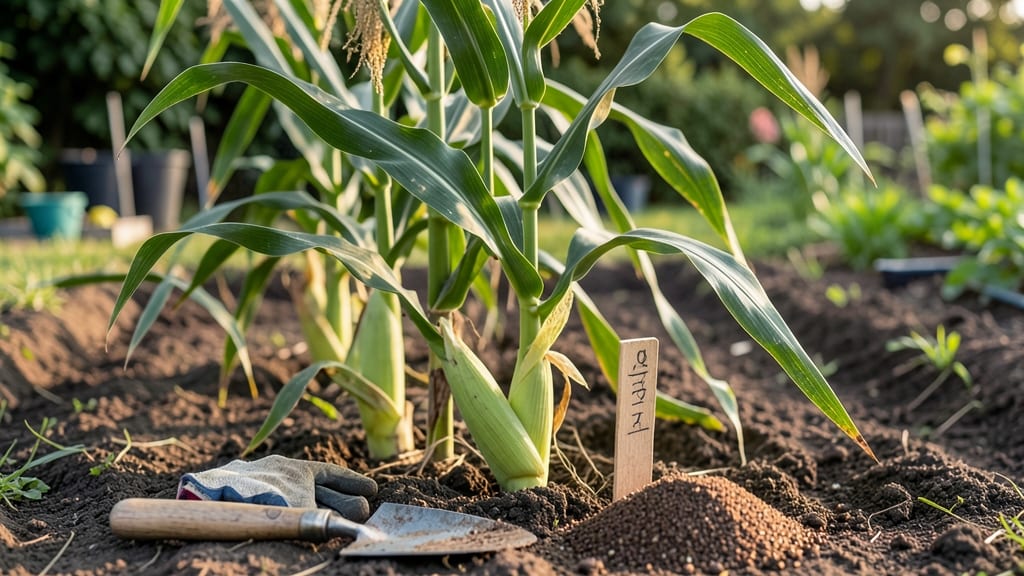
Knowing when to plant corn in Nebraska isn’t just about checking a calendar—it’s about outsmarting the state’s fickle spring weather, from late frosts to sudden heatwaves. One wrong move, and your 🌽 could end up stunted or worse, wiped out before it even sprouts.
The key? Planting at the right soil temperature (not air temperature) and choosing varieties that match your USDA zone—whether you’re in 5a or 6b.
Most Nebraska gardeners swear by mid-April to early June as the sweet spot, but timing depends on your location and the type of corn you’re growing. Early varieties like ‘Golden Bantam’ can handle cooler soils, while hybrids like ‘Pioneer 34G22’ need warmer temperatures to thrive.
I’ll break down the exact frost-date rules and soil checks you need to avoid common mistakes.
Here’s the game-changer: Nebraska Extension research shows that planting too early (before 50°F soil) delays germination, while waiting too long risks shorter growing seasons.
We’ll cover how to adjust for drought years and when to use row covers for extra protection—so you’re not left scrambling when the first frost hits in October.
Ready to grow corn that’s tall, sweet, and ready by harvest? Let’s dive into the step-by-step guide that’ll have your garden thriving—no guesswork needed. Whether you’re a first-timer or a seasoned gardener, these tips will save you time, money, and a whole lot of frustration.
Nebraska corn planting dates by frost Zone and variety type
Nebraska’s USDA frost zones 5a-6a create distinct planting windows for corn. The last average frost date varies from mid-April in western Nebraska to early May in the east.
Planting too early risks frost damage, while waiting too long limits your growing season. Your corn variety—early-season, mid-season, or late-season—determines the best window.
For Zone 5a (western Nebraska), aim to plant early-season corn by April 20-May 1 to ensure harvest before the first frost. Mid-season varieties need planting by May 15, while late-season types should go in by May 20.
In Zone 5b-6a (eastern Nebraska), you have a slightly longer window—plant early corn by May 1 and late corn by June 1.
Soil temperature matters more than calendar dates. Corn seeds won’t germinate until the soil reaches 50°F consistently, but optimal growth starts at 60°F. Use a soil thermometer to confirm readiness—this is critical in Nebraska’s variable springs. Waiting for warm soil prevents poor germination and uneven growth.
Here’s a quick reference for planting by variety in Nebraska:
| Variety Type | Zone 5a (West) | Zone 5b-6a (East) | Days to Maturity | Risk Factors |
|---|---|---|---|---|
| Early Season | April 20–May 1 | April 25–May 10 | 60–75 days | Late frosts, short season |
| Mid Season | May 1–15 | May 1–20 | 75–90 days | Heatwaves, drought |
| Late Season | May 20–June 1 | May 20–June 10 | 90–120 days | Early frosts, slow growth |
Late frosts are Nebraska’s biggest enemy for early corn. The Nebraska State Climate Office reports that western Nebraska sees late frosts as late as May 10, while eastern areas are safer after May 15.
To mitigate risks, use row covers or plant in microclimates near buildings or hills that warm faster.
Heatwaves in late June and July can also stress corn, especially late-season varieties. If your area experiences drought, prioritize drought-tolerant varieties like ‘Pioneer 34G22’ or ‘Silver Queen’. These handle Nebraska’s variable rainfall better than standard types. Always mulch to retain moisture—corn needs 1–2 inches of water weekly during tasseling.
For container-grown corn, Nebraska gardeners can extend the season by starting seeds indoors in late March and transplanting after the last frost. Use 5-gallon pots for dwarf varieties like ‘Golden Bantam’ and place them in full sun.
Containers warm up faster than garden soil, giving you a head start in cooler springs.
Track your local frost-free days—Nebraska averages 165 days, but this varies by county. Use the Nebraska Extension’s Planting Date Calculator to input your zip code for personalized advice. This tool accounts for soil warming trends and historical frost data, making it invaluable for Nebraska gardeners.
Finally, don’t assume all corn varieties perform equally. Sweet corn like ‘Peaches and Cream’ matures faster (70 days) than field corn varieties, which can take 100+ days.
Match your variety to your planting window and harvest goals—this is the key to a successful Nebraska corn crop. 🌽
How to adjust planting for Nebraska’s unpredictable weather patterns
Nebraska’s weather can shift faster than a prairie wind, making flexible planting strategies essential for corn success. Unlike rigid calendars, smart gardeners rely on soil temperature and weather forecasts—not just dates—to time their plantings.
A late frost in May or a sudden heatwave can turn your corn dreams into disappointment if you’re not prepared.
Start by tracking soil temperatures using a soil thermometer. Corn seeds need consistent 60°F+ soil to germinate properly, and waiting for this threshold often means planting later than traditional charts suggest.
In western Nebraska’s USDA Zone 5a, this might push planting to early May, while eastern Zone 6a could see earlier opportunities in late April.
🌱
- Soil Thermometer Check
- Frost-Free Window
- Staggered Planting
- Heatwave Prep
- Drought Backup Plan
For gardeners in drought-prone years, consider drip irrigation or mulching with straw to retain moisture. The Nebraska Extension Service reports that corn planted in dry soil conditions often struggles to establish roots, leading to stunted growth.
If your area faces a dry spring, prioritize early-maturing varieties (like 'Peaches and Cream') to avoid heat stress before harvest.
Another pro tip: Use row covers for early plantings. Lightweight fabric can protect young seedlings from unexpected late-spring frosts (common in Nebraska’s Zone 5a) while still allowing sunlight and water to penetrate. Remove covers once plants reach 6 inches tall to avoid overheating.
Finally, don’t ignore local weather patterns. Western Nebraska often sees earlier soil warming than eastern regions, while the eastern plains may experience delayed planting windows due to wet springs. Check the National Weather Service or Nebraska Mesonet for real-time updates—your corn’s future depends on it.
By combining soil science, weather awareness, and flexible planting, you’ll beat Nebraska’s whims and grow corn that rivals the state’s famous fields. The key? Stay adaptable—just like the corn itself.☀️