
Plants
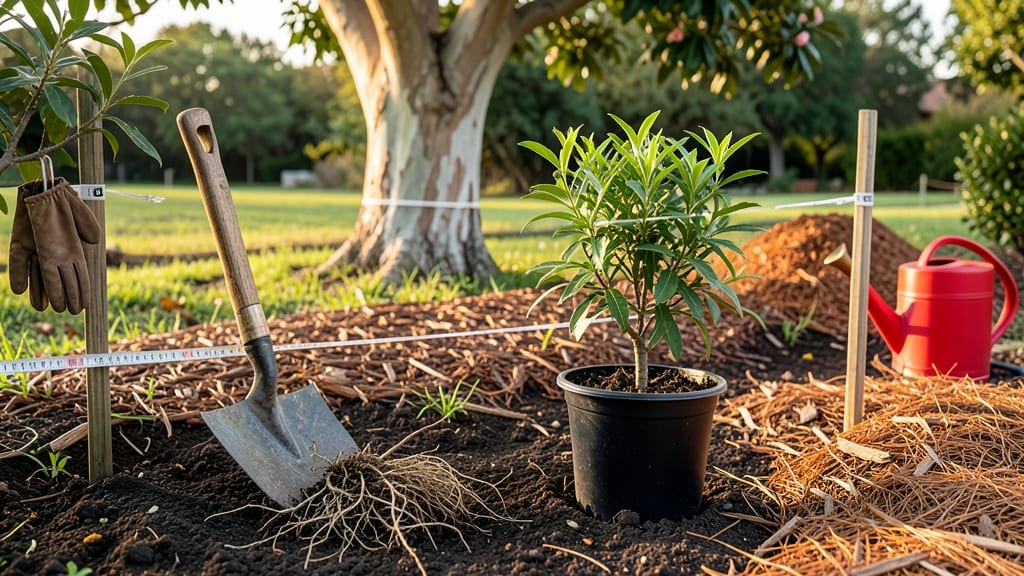
Timing your crape myrtle 🌸 planting in Virginia isn’t just about the calendar—it’s about giving your tree the best shot at thriving in USDA Zone 7b. Plant too early, and frost can damage delicate roots; wait too long, and your tree might struggle to establish before summer heat hits.
The sweet spot? Late winter to early spring, when soil temperatures rise just enough to encourage strong root growth.
For Virginia gardeners, this means aiming for March or early April, after the last frost date but before the soil gets too warm. Whether you’re in Richmond’s humid climate or Roanoke’s drier air, this window ensures your crape myrtle gets a head start.
Container-grown trees can go in slightly earlier, while bare-root options need that extra warmth to wake up safely.
Why does this matter? Because a well-timed planting leads to healthier trees, more vibrant blooms, and fewer headaches down the road. I’ll walk you through the exact steps—soil prep, variety choices, and even how to spot if you’ve planted at the wrong time.
Let’s get those crape myrtles off to the right start!
Ready to plant? The key is balancing patience with action—because in Virginia’s unpredictable spring, every day counts. Stick with me, and you’ll know exactly when to dig in for a tree that’ll reward you for years to come.
Optimal crape myrtle planting timeline in Virginia’s zone 7b
Virginia’s USDA Zone 7b offers a perfect window for planting crape myrtles, but timing is everything. The ideal planting window spans from mid-March to early April, just before the last frost date of March 15 in most regions.
This timing ensures your tree establishes strong root systems before summer heat arrives.
For Richmond and coastal areas, you can push planting slightly earlier—late February—since these zones warm up faster. Meanwhile, Roanoke and Blacksburg gardeners should wait until early April to avoid late frosts that can damage tender new growth.
Here’s why this timing matters: Crape myrtles need 6-8 weeks of frost-free growth to harden off before Virginia’s summer heat peaks. Planting too early risks frost damage, while planting too late delays root establishment, leading to stunted blooms the following year.
🌱
| Month | Temperature Threshold | Soil Prep | Planting Tip |
|---|---|---|---|
| Late February | 40-50°F (coastal VA only) | Amend with compost | Best for early-warming zones |
| Mid-March | 45-55°F (safe for most VA) | Test pH (6.0-7.0 ideal) | Prime time for Richmond |
| Early April | 50-60°F (safe for all VA) | Add mulch after planting | Best for Roanoke/Blacksburg |
| May (fallback) | 60°F+ (last resort) | Water deeply weekly | Use for container-grown trees |
Before planting, prepare your soil with organic matter like compost or aged manure to improve drainage—crape myrtles hate soggy roots. In clay-heavy soils (common in Piedmont VA), mix in sand or perlite to prevent compaction. For sandy soils (coastal areas), add peat moss to retain moisture.
When selecting planting locations, prioritize full sun exposure (6+ hours daily) and avoid low spots where cold air pools. Crape myrtles thrive in well-draining soil with a slightly acidic to neutral pH (6.0-7.0). If your soil is too alkaline, amend with sulfur or pine needles before planting.
After planting, water deeply but infrequently—aim for 2-3 gallons per week for the first month. Mulch around the base (but keep mulch 3 inches away from the trunk) to conserve moisture and suppress weeds. This root zone protection is critical during Virginia’s hot, dry summers.
For container-grown crape myrtles, you can plant up to early May, but bare-root trees must go in the ground by mid-April. If you miss the spring window, fall planting is possible in October, but roots won’t establish as strongly before winter dormancy.
Pro tip: Use frost cloth if planting in late March and temperatures dip below 32°F. This extra protection gives young roots a 2-3 week head start before summer heat arrives.
🌿
Optimal crape myrtle planting timeline in Virginia’s zone 7b
Virginia’s USDA Zone 7b gives you a narrow but critical window for planting crape myrtles—typically between mid-March and early April. This timing aligns with soil warming to 50-60°F, which is perfect for root establishment without risking frost damage.
In Richmond, aim for March 20-April 5, while Roanoke’s slightly cooler climate may push your deadline to April 15.
Why this window? Crape myrtles need 6-8 weeks of warm soil to develop strong roots before summer heat arrives. Planting too early (February) risks frost heaving, while waiting until May can stress young trees during Virginia’s hot, dry summers.
Check your local last frost date—Richmond averages March 15, but microclimates can vary by 1-2 weeks.
| Month | Soil Temp | Frost Risk | Planting Tip |
|---|---|---|---|
| February | 40-50°F | High (avoid) | Wait for soil to warm above 50°F |
| March | 50-60°F | Moderate (after March 15) | Best time for container-grown trees |
| April | 60-70°F | Low | Ideal for bare-root transplants |
| May | 70°F+ | None | Only for established container trees |
For bare-root crape myrtles, soak roots overnight before planting to prevent transplant shock. Container-grown trees can handle slightly earlier planting (late February in mild years), but always check for frost warnings—even a light freeze can damage tender new growth.
Amend your soil with compost or peat moss to improve drainage, as crape myrtles hate soggy roots.
Pro tip: Plant on a cloudy day to reduce stress. Dig a hole twice as wide as the root ball but only as deep—crape myrtles need to sit at the same depth they were in the nursery. Water deeply immediately after planting to eliminate air pockets in the soil.
Virginia’s Piedmont region (like Lynchburg) may need to wait until April 10 due to cooler nights, while coastal areas (Norfolk) can plant as early as March 1. Always monitor local weather—your crape myrtle’s future depends on getting this timing right!
Once planted, mulch around the base (but not touching the trunk) to retain moisture and regulate soil temperature. This single step can double your tree’s survival rate during Virginia’s unpredictable springs.