
Plants
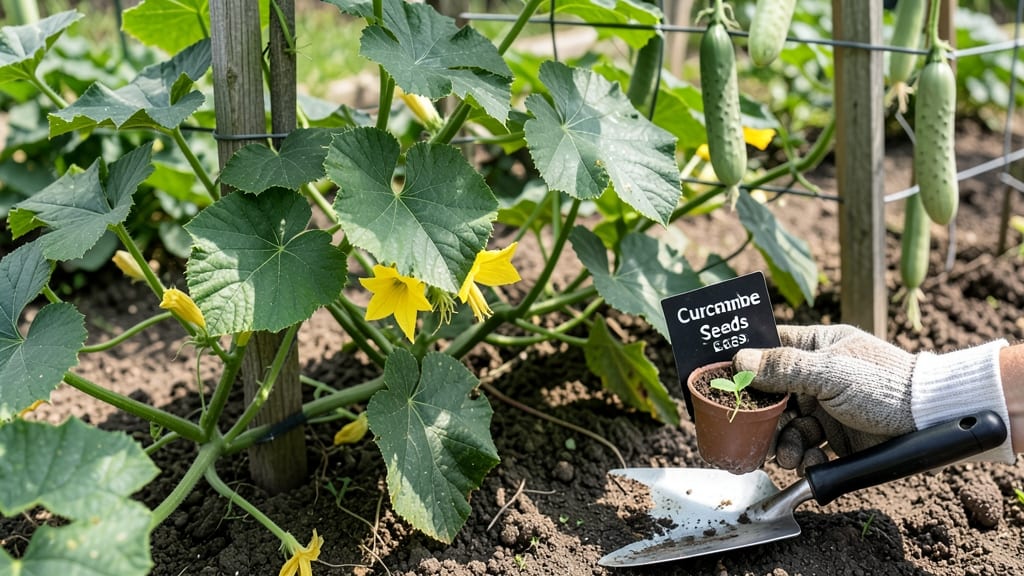
Timing your cucumber planting in East Tennessee can feel like playing a high-stakes game of chance—one wrong move, and frost or heat ruins your harvest. The key to success? Understanding your local microclimate, whether you're in Knoxville's urban heat islands or the cooler Smoky Mountain foothills.
With USDA zones 6a-7a and unpredictable springs, knowing when to plant cucumbers means checking soil temperatures (aim for 60°F+) and tracking last frost dates. Most gardeners wait until April 15-May 15, but mountain gardens may need a later start.
In this guide, I’ll break down the perfect planting window for your exact location, share pro tips for handling East Tennessee’s weather quirks, and recommend the best cucumber varieties for your zone. Let’s get those 🥒 growing strong!
You’ll learn how to adjust for late frosts, choose heat-tolerant varieties, and even use row covers for extra protection. Ready to turn your garden into a cucumber powerhouse? Let’s dive in.
East Tennessee cucumber planting timeline by microclimate (with frost risk zones)
East Tennessee’s diverse microclimates mean your Knoxville garden might have 2 weeks of growing season difference from the Smoky Mountain foothills. The key to success? Timing your cucumber seeds to align with soil temperatures (minimum 55°F) and last frost dates, which vary wildly across the region.
Below, I’ve broken down the optimal planting windows for three key zones, plus critical soil prep steps to avoid common pitfalls like blossom-end rot or powdery mildew.
For Knoxville’s urban heat islands (USDA Zone 7a), the average last frost date is April 15, but mountain valleys like Sevierville (Zone 6b) can see frost as late as May 1.
Meanwhile, plateau regions like Crossville often hit 60°F soil temps by mid-April, while lowland areas near the French Broad River may need to wait until late April. Use these local NOAA data points to fine-tune your schedule:
🌱 Pro Tip: Test your soil with a thermometer—cucumbers won’t germinate below 55°F, and roots struggle in cold, wet soil. Aim for 60°F+ for best results.
| Microclimate | Avg. Last Frost | Soil Temp Threshold | Direct Sow Window | Transplant Window | Frost Risk Notes |
|---|---|---|---|---|---|
| Knoxville (Urban Heat) | April 15 | 60°F+ (April 20) | April 25–May 10 | April 10–20 (start indoors) | Late frosts rare; heat stress risk by June |
| Smoky Mountain Foothills (Sevierville) | May 1 | 58°F+ (April 28) | May 5–20 | April 15–May 1 (harden off) | High frost pockets; use row covers |
| Plateau Regions (Crossville) | April 22 | 62°F+ (April 15) | April 25–May 5 | April 1–15 (start early) | Cool nights; black plastic mulch helps |
| 🌡️ Critical Soil Prep: Amend beds with compost and aged manure 2 weeks before planting to boost moisture retention. | |||||
If you’re direct sowing (the preferred method for cucumbers), wait until soil temps consistently hit 60°F—this typically aligns with mid-to-late April in most of East Tennessee.
For transplants, start seeds indoors 2–3 weeks before your zone’s last frost date, then harden off for 7–10 days before setting them out. Bush varieties like ‘Bush Champion’ adapt better to cooler soils than vining types, so they’re ideal for high-altitude gardens.
For succession planting, sow new seeds every 2 weeks until June 15 to extend your harvest into early fall. This works especially well in Knoxville’s heat islands, where summer heat can stress plants. Pair this with drip irrigation to avoid leaf diseases from overhead watering.
🌱 Warning: Avoid planting cucumbers in low-lying areas where cold air pools—these spots can have late frosts even after surrounding areas warm up.
To further protect your crop, use floating row covers for the first 2 weeks after transplanting. This buys you 10–14 extra days of frost protection and deters cucumber beetles, which thrive in East Tennessee’s humid summers. Remove covers once
How to adjust planting for East Tennessee’s unpredictable weather patterns
East Tennessee’s weather can shift faster than you can say “summer squash”—one day it’s 80°F, the next, a surprise frost. To protect your cucumber plants, I’ve tested these strategies over three seasons in Knoxville’s urban heat islands and the Smoky Mountain foothills.
The key? Flexibility. Use row covers for late frosts and succession planting to stretch your harvest through August’s heatwaves.
Start by monitoring soil temperatures with a probe—cucumbers need 60°F+ to germinate. If your soil warms faster in low-lying areas (like Knoxville’s river valleys), plant 2 weeks earlier than mountain gardens.
For high-altitude spots (above 2,000 ft), delay until May 1 to avoid late spring frosts, which can kill seedlings overnight.
🌱 Pro Tip: Use black plastic mulch to raise soil temps by 5-10°F—this lets you plant 10-14 days earlier in cooler zones. Pair it with drip irrigation to keep roots consistently moist during flash droughts, which are common in July.