
Plants
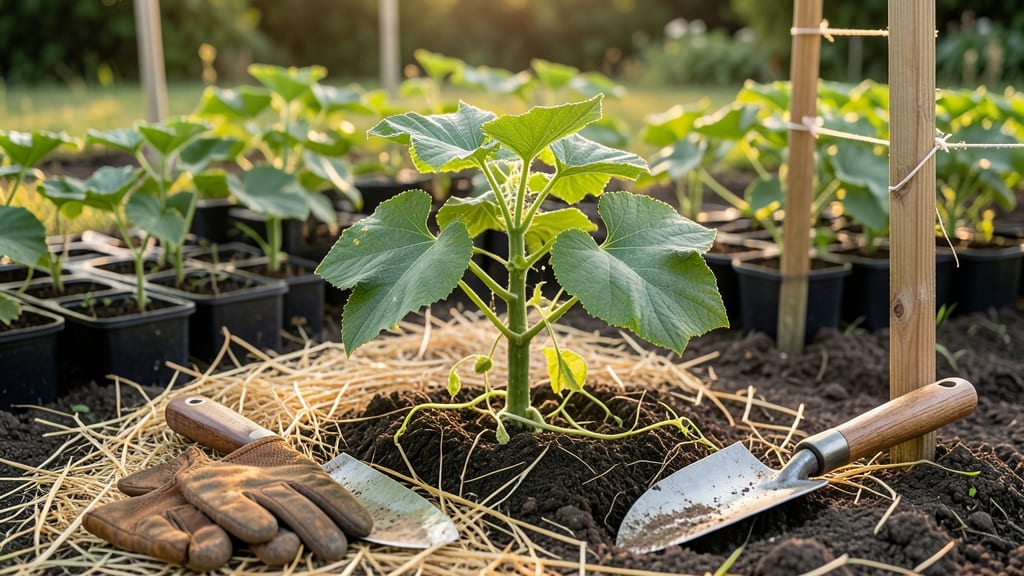
Planting cucumbers at the wrong time in Northern California’s unpredictable climate can turn your garden dreams into bitter fruit or wasted effort—and I’ve seen it happen more times than I’d like.
The key to success isn’t just throwing seeds into the dirt; it’s knowing when to plant them so they thrive, not bolt into early flowers.
With USDA Zones 8a-9b and microclimates ranging from foggy coasts to hot inland valleys, timing matters more than most gardeners realize. Whether you’re in the Bay Area or Sacramento, getting the soil temperature right and avoiding frost can mean the difference between a bountiful harvest and a sad, withered vine.
Let me show you exactly when to plant for zero risk of bolting.
Spring plantings start as early as March 15, but wait until soil hits 60°F—cooler temps trigger bolting. Fall is your second chance, with August 1 marking the ideal window for a second crop.
I’ll break down the best varieties, soil prep, and even how to extend your season with row covers.
Ready to grow cucumbers that actually produce? Let’s dive into the perfect planting schedule for your Northern California zone—and keep those vines happy until harvest time.
Northern California heat-Zone planting calendar for cucumbers (avoid bolting)
Northern California’s diverse microclimates—from coastal fog belts to Central Valley heat zones—create a tricky puzzle for cucumber growers. Planting too early risks frost damage, while waiting too long triggers premature bolting (flowering without fruit).
The key? Align your schedule with soil temperatures and frost-free dates for your specific region.
Most of Northern California falls in USDA Zones 8a-10a, but even within these zones, coastal areas (like San Francisco) can have 20°F cooler nights than inland valleys (like Sacramento). This means your planting window might shift by 4-6 weeks depending on location.
For example, coastal growers can start as early as February 15, while Central Valley gardeners should wait until March 15.
Cucumbers thrive when soil temperatures hit 60°F or warmer. Use a soil thermometer to confirm readiness—cold soil delays germination and weakens seedlings.
In Zone 9b (common in Sacramento), aim for March 15-April 30 for spring plantings, while Zone 8a (like Lake Tahoe’s lower elevations) should wait until April 15-May 15.
Bolting occurs when cucumbers sense cool nights or drought stress and flower prematurely. To prevent this, choose heat-tolerant varieties like 'Straight Eight' or 'Lemon Cucumber', and avoid planting before your last frost date.
Coastal areas typically see their last frost by February 15-March 15, while inland areas hold off until March 15-April 15.
For fall harvests, plant August 1-September 15 to beat the first frost. Coastal areas can push this to October 1, while inland valleys should finish by September 15. Use row covers to extend the season by 2-3 weeks if nights dip below 50°F.
Pro tip: Black plastic mulch warms soil by 5-10°F, letting you plant 2-3 weeks earlier in spring. Lay it down 1-2 weeks before planting to maximize heat absorption. Pair this with drip irrigation to maintain consistent moisture—cucumbers wilt quickly in dry Central Valley soils.
Northern California heat-Zone planting calendar for cucumbers (avoid bolting)
Northern California’s diverse microclimates—from the foggy coastal regions to the hot Central Valley—create unique challenges for cucumber growers. Planting too early risks frost damage, while late planting can trigger bolting (premature flowering) due to heat.
The key? Time your plantings to align with soil temperatures and frost-free dates specific to your zone.
For USDA Zones 8a-9b, cucumbers thrive when soil reaches 60°F+. Coastal areas like San Francisco can plant as early as late February, while inland regions like Sacramento should wait until mid-April. Fall plantings work best from early August to mid-September to avoid early frost.
🌱 Did You Know?
Here’s your microclimate-specific planting schedule to avoid bolting and maximize yields:
To prevent bolting, avoid planting when daytime temps exceed 85°F+. Use shade cloth (30-50%) during heatwaves or opt for heat-tolerant varieties like ‘Straight Eight’ or ‘Marketmore’. For coastal growers, succession plant every 2 weeks from March to May to stagger harvests.
Pro tip: Monitor your local frost dates using the USDA Plant Hardiness Zone Map or your local Cooperative Extension office. In Northern California, the first frost in fall can hit as early as October in coastal areas or November inland.
Plan your fall plantings to harvest before temps drop below 50°F at night.
🌿 Ready to plant? Start with direct sowing after your last frost date—no need for transplants unless you’re using bush varieties. Mulch with straw to retain moisture and deter weeds, then watch those vines climb! 🪴