
Plants
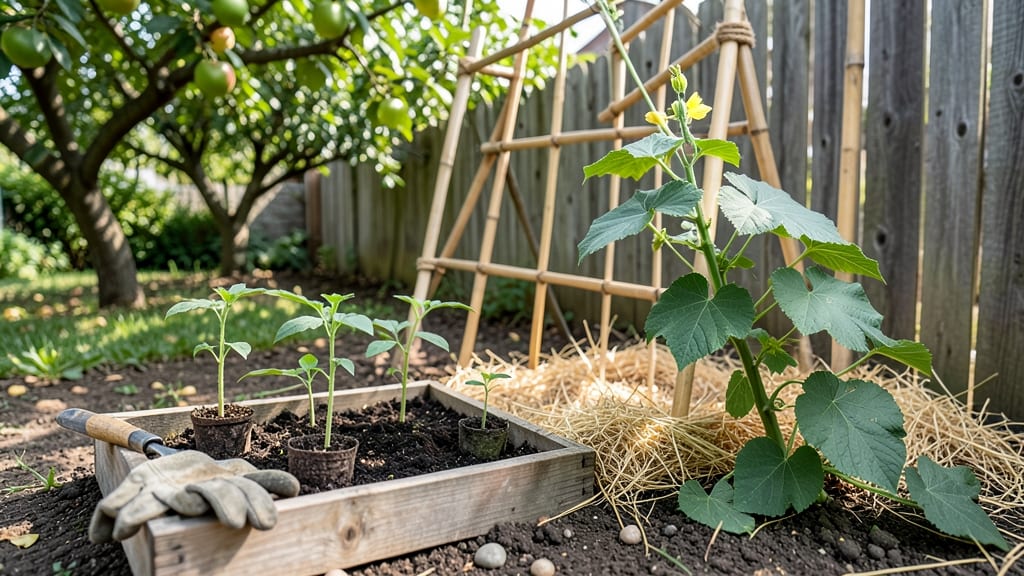
If you're growing cucumbers in Zone 9b, timing is everything—plant too early, and they’ll bolt from the heat; too late, and your harvest gets cut short. The sweet spot? Late winter to early spring, when soil warms to 60°F and the worst summer heat hasn’t arrived yet.
But here’s the catch: traditional planting windows don’t always work in desert climates like Phoenix or Southern California. You’ll need heat-tolerant varieties and a few clever tricks to keep your 🥒 thriving through 90°F+ days.
I’ll show you exactly when to start seeds, how to adjust for microclimates, and which varieties stay productive even when others give up.
Let’s skip the guesswork. You’ll learn the exact weeks to plant for a continuous harvest, plus how to avoid bolting—even when temperatures spike. Ready to grow cucumbers that actually last all summer?
From shade cloth hacks to companion plants that cool the soil, I’ve got the proven strategies Zone 9b gardeners swear by. No more wasted seeds or bitter cucumbers—just a steady supply of fresh, crisp produce straight from your garden.

Best planting weeks for cucumbers in Zone 9b to avoid bolting
In Zone 9b, cucumbers thrive when planted during cooler shoulder seasons—avoiding the brutal summer heat that triggers bolting. The ideal window spans mid-February to early April, when soil temperatures hover around 60–70°F.
This timing ensures vines establish roots before temperatures soar above 90°F, which stresses plants and reduces yields.
Unlike cooler climates, Zone 9b gardeners can also plant a second crop in late summer (August–September) for a fall harvest. However, this requires shade cloth (30–50%) to protect tender plants from late-season heat spikes.
Timing is critical—plant too early, and you risk fungal diseases from lingering moisture; too late, and the season ends before cucumbers mature.
Here’s the golden rule: Wait until soil reaches 60°F and nighttime temperatures stay above 55°F—use a soil thermometer to confirm. In Phoenix or desert areas, this often means late March for spring plantings.
Container growers can push dates slightly earlier by using black plastic mulch to warm soil faster.
| Planting Window | Best Method | Soil Temp | Bolting Risk | Notes |
|---|---|---|---|---|
| Late February | Direct Sow | 55–60°F | Low | Use row covers for frost protection |
| March–April | Direct Sow or Transplant | 60–70°F | Moderate | Ideal for spring harvest |
| August–September | Direct Sow | 65–75°F | High (if no shade) | Use 30–50% shade cloth |
| October | Transplant (if temps stay mild) | 60°F+ | Low | Extend season with row covers |
Zone 9b’s microclimates can shift planting windows by weeks. For example, coastal areas (like San Diego) may start as early as mid-February, while inland deserts (like Palm Springs) should wait until late March. Check your local last frost date—even in Zone 9b, rare cold snaps can occur in January.
Transplanting seedlings (vs. direct sowing) gives you a 2–3 week advantage to beat the heat. Start seeds indoors under grow lights 3–4 weeks before your target outdoor date. Harden off seedlings by exposing them to afternoon sun gradually over 7–10 days to avoid shock.
Avoid planting in June–July unless you’re using heat-tolerant varieties like ‘Straight Eight’ or ‘Armenian’ cucumbers, paired with drip irrigation and mulch. Even then, yields will suffer without afternoon shade. Monitor plants daily for wilting or yellowing leaves—signs of heat stress that can lead to bolting.
Pro tip: Succession plant every 2 weeks from February to April for a continuous harvest. This staggered approach ensures you always have young, productive vines while older ones mature. In fall, a single planting in late August can yield cucumbers until November, depending on your microclimate.
For container growers, use 5-gallon pots filled with well-draining potting mix and plant bush varieties like ‘Bush Champion’ to save space. Containers warm up faster, so you can plant 1–2 weeks earlier than in-ground gardens. Just ensure pots are elevated to prevent root rot from poor drainage.
Remember: Cucumbers need 50–70 days to mature from seed. If you plant in mid-April, aim to harvest by late May before summer heat peaks. Use a planting calendar to track your local heat waves—avoid weeks with consecutive 95°F+ days to prevent bolting.
Best planting weeks for cucumbers in Zone 9b to avoid bolting
In Zone 9b, where summer temperatures often exceed 90°F, timing is everything for cucumbers. Plant too early, and they’ll bolt before producing fruit; too late, and the season shortens your harvest.
The ideal window is mid-February to early April, when soil warms to 60°F+ but before the peak heat hits.
Direct sowing works best in Zone 9b because cucumbers are sensitive to transplant shock. Start seeds indoors 3–4 weeks before your target outdoor date if you prefer transplants. However, I’ve found that direct sowing after the last frost risk (around mid-March) gives cucumbers a stronger start.
Here’s the breakdown: February (early) is for shade-tolerant varieties in cooler microclimates, while March–April is prime for most gardeners. Avoid planting after mid-April unless you’re using heat-tolerant varieties and plan for a shade cloth setup.
| Planting Method | Best Weeks in Zone 9b | Soil Temp Requirement | Bolting Risk |
|---|---|---|---|
| Direct Sowing | Mid-February to early April | 60°F+ | Low (if shaded) |
| Transplanting | Late March to early April | 65°F+ | Moderate (stress risk) |
| Fall Planting | Late August to early September | 70°F+ | Low (cooler temps) |
For a second harvest, consider a fall planting in late August. This works well in Zone 9b because the cooler nights reduce bolting risk. Just be sure to choose fast-maturing varieties (like ‘Straight Eight’) to finish before first frost (rare but possible in December).
Pro tip: Use a soil thermometer to confirm 60°F+ soil temps before planting. Cold soil delays germination and weakens seedlings. If your soil is still cool in March, opt for black plastic mulch to warm it up faster.
Finally, avoid planting in June or July unless you’re using heat-tolerant varieties under 50% shade cloth. The combination of intense sun and high temps will cause cucumbers to bolt prematurely, reducing your yield dramatically.