
Plants
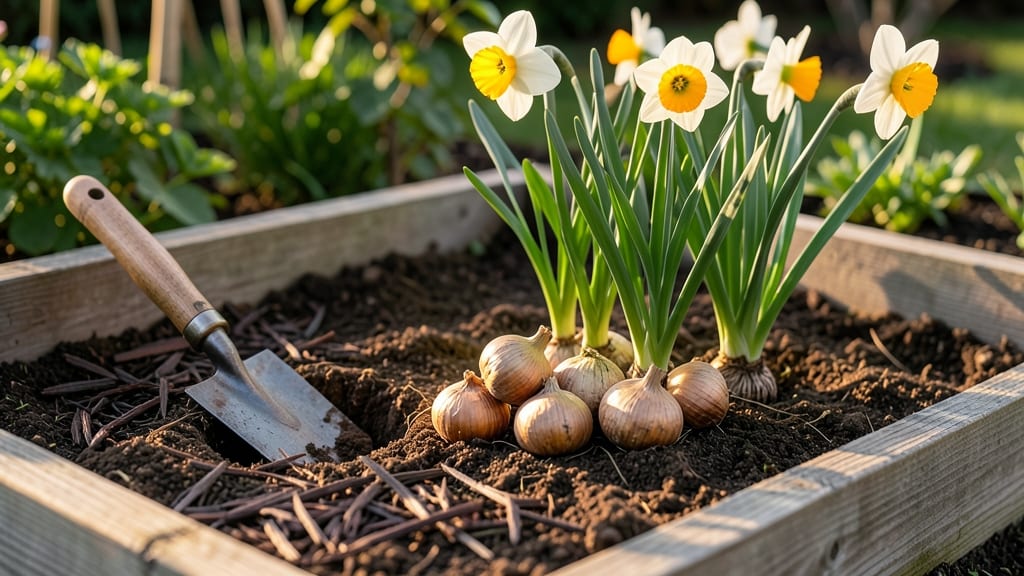
Planting daffodils in Massachusetts at the wrong time means wasted bulbs and missed spring blooms—so timing is everything for these cheerful 🌼 flowers. The key to success lies in understanding your zone's frost cycles, since daffodils need 6-8 weeks of cool soil before winter sets in.
For gardeners in USDA zones 5b-6b, the ideal window opens in late October and closes by mid-November—just before the ground freezes. Plant too early, and your bulbs may rot; too late, and they won’t establish roots before winter.
I’ll show you exactly how to time it right for your specific part of Massachusetts, whether you’re coastal or inland.
You’ll discover the science behind why fall planting works best, plus pro tips for preparing your soil and choosing the right bulb size. With these strategies, you’ll enjoy vibrant daffodils next spring without the guesswork.
Ready to transform your garden? Let’s dive into the perfect planting schedule tailored for Massachusetts’ climate—so you can enjoy those cheerful blooms year after year.
Best planting months for daffodils in Massachusetts (USDA zones 5b-6b)
Massachusetts gardeners have a 6-8 week window to plant daffodil bulbs for spring blooms, but timing is critical. The ideal planting window is from mid-October through November, when soil temperatures drop below 60°F but before the ground freezes. This allows bulbs to establish roots before winter dormancy.
In USDA Zones 5b-6b, the first frost typically arrives around October 20, giving you until mid-November to plant. Bulbs need 4-6 weeks of root growth before the ground freezes solid.
Planting too early risks rot, while waiting too late means bulbs won’t establish enough roots for spring blooms.
For reliable blooms, aim to plant when daytime temperatures consistently drop below 65°F but nights stay above 40°F. Use a soil thermometer to check—bulbs thrive when soil temps hover around 50-60°F. This usually aligns with late October in most of Massachusetts.
If you miss the fall window, early spring planting (March) is possible, but bulbs may bloom later or produce fewer flowers. Spring-planted bulbs need consistent moisture until roots establish, usually taking 6-8 weeks.
Here’s a quick reference for Massachusetts-specific timing based on local frost averages:
| Stage | Action | MA Timing |
|---|---|---|
| Soil Prep | Loosen soil, amend with compost | September-October |
| Planting Window | Plant bulbs 6-8 weeks before frost | Mid-October–November |
| Frost Protection | Mulch after planting (2-3 inches) | November |
| Spring Blooms | Enjoy flowers April–May | April–May |
In coastal areas like Cape Cod or Martha’s Vineyard, where winters are milder, you can extend planting into early December. However, inland regions like Worcester or Springfield should finish by mid-November to avoid frost damage.
Pro tip: Larger bulbs (size 12+) establish faster and bloom more reliably. Plant them 6 inches deep and 6 inches apart for optimal growth. Smaller bulbs (size 8-10) can be planted 4 inches deep but may take an extra year to bloom.
If you’re unsure about your local frost date, check the Massachusetts Horticultural Society’s frost calendar or use the National Weather Service’s frost prediction tools. Planting at the right depth (2-3 times the bulb’s height) is just as critical as timing—shallow planting leads to weak stems and floppy blooms.
Once planted, water deeply after planting to encourage root growth, then let nature take over. Daffodils are drought-tolerant once established, but consistent moisture in fall helps bulbs prepare for winter.
Remember: Daffodils naturalize easily in Massachusetts, meaning they’ll multiply and return year after year if planted correctly. With the right timing, you’ll have low-maintenance spring color for decades with almost no effort.
Best planting months for daffodils in Massachusetts (USDA zones 5b-6b)
Massachusetts gardeners have a narrow but critical window for planting daffodil bulbs—typically between mid-October and early November. This timing aligns with the state’s USDA Zones 5b-6b, where the first hard frost usually arrives around October 20.
Planting too early risks bulb rot, while waiting too late may prevent root establishment before winter.
Your goal is to plant 4-6 weeks before the ground freezes. In most of Massachusetts, this means aiming for late October in inland areas (like Worcester or Springfield) and early November in cooler regions (like the Berkshires).
Coastal areas like Cape Cod may extend planting into early December due to milder winters.
Daffodils thrive when planted in cool soil temperatures (50-60°F). Use a soil thermometer to verify conditions—planting when soil drops below 50°F increases frost damage risk. Most years, Massachusetts soil reaches this threshold by mid-October.
For consistent blooms, schedule planting when daytime highs average 60°F and nights dip below 50°F. This typically occurs in late October across most of the state. Check your local National Weather Service frost predictions for precise timing each year.
| Stage | Action | MA Timing |
|---|---|---|
| Soil Prep | Loosen soil, add compost | Late September |
| Bulb Purchase | Choose firm, disease-free bulbs | Early October |
| Planting Window | 4-6 weeks before frost | Mid-October to early November |
| Post-Planting | Mulch with straw (2-3 inches) | After planting |
Planting in early October gives bulbs extra time to root but risks warmer soil temperatures that can trigger premature sprouting. Conversely, November plantings in inland areas may not establish roots before winter. For coastal Massachusetts, extend planting to early December—warmer ocean currents delay frost.
Pro tip: Mark your calendar for October 15 as your target date. Adjust 1-2 weeks earlier for inland zones or later for coastal regions. Always plant bulbs 6 inches deep and 6 inches apart for optimal spring blooms.
Remember, daffodils are hardy perennials—proper fall planting ensures they’ll return year after year. With Massachusetts’ unpredictable weather, having a backup plan (like storing bulbs in a cool, dark place if frost arrives early) gives you flexibility.