
Plants
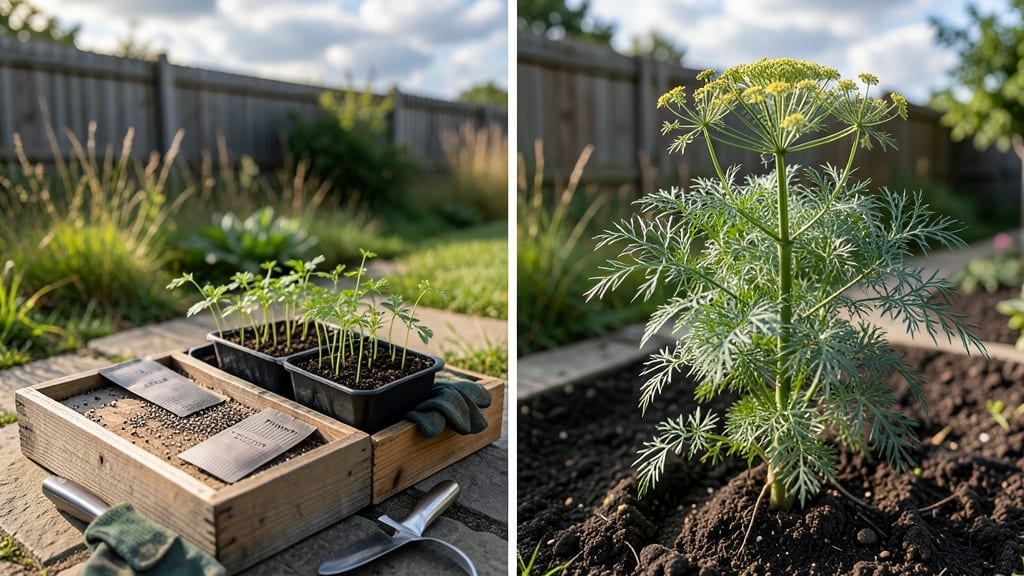
Planting dill in Florida at the wrong time can turn your fresh herb dreams into a bolting disaster—wasting your harvest before it even starts. The key to lush, productive 🌿 dill lies in timing it right, especially when avoiding Florida’s brutal summer heat that triggers early flowering.
If you’ve ever struggled with dill that shoots up too fast or tastes bitter, you’re not alone. Florida’s 9a-11 climate is perfect for dill when planted strategically—think September through April—but even a slight misstep can ruin your crop.
I’ll show you exactly when to plant for zero-waste harvests and how to stretch your growing season.
Most gardeners assume dill thrives all year in Florida, but the truth is, summer’s relentless sun and heat force it to bolt prematurely. The solution? A succession planting schedule that keeps your kitchen stocked with flavorful leaves from October through June.
Let’s break down the best months and simple tricks to keep your dill happy and productive.
Whether you’re a seasoned gardener or just starting, mastering this schedule means no more wasted plants or bitter-tasting herbs. You’ll learn how to time your plantings, adjust for Florida’s microclimates, and even use shade to trick your dill into staying fresh longer. Ready to grow dill that actually lasts?
Florida dill planting calendar: best months to avoid bolting and maximize growth
Dill in Florida loves the warmth but hates the intense summer heat that triggers premature bolting. The ideal planting window spans from late summer to early spring, when temperatures stay between 60°F and 75°F.
This schedule aligns with Florida’s USDA zones 7-10, ensuring your plants grow lush without racing to flower.
In North Florida (zones 7-8), start seeds 8-10 weeks before the first frost—though frost is rare, cooler temperatures in September and October create perfect conditions. For South Florida (zones 9-10), focus on August and September plantings to avoid the peak summer heat of June and July.
Here’s how to align your planting with Florida’s microclimates to prevent bolting and maximize harvests:
For North Florida gardens, focus on September and October plantings to ensure a winter harvest. In South Florida, August and early September are critical—planting later risks heat stress and bolting within 30 days. Always choose slow-bolting varieties like ‘Bouquet’ or ‘Fernleaf’ for extended harvests.
If you miss the ideal window, don’t panic! Succession planting every 4-6 weeks from September to March ensures a continuous dill supply. For example, plant a new batch in late October to harvest through January, then repeat in February for a spring harvest before summer heat arrives.
Pro tip:
How to extend dill’s harvest season in Florida: succession planting and shade strategies
Florida’s warm winters and long growing season mean you can enjoy fresh dill year-round—but only if you use the right strategies. Succession planting and smart shade management are your secret weapons against early bolting and wasted harvests.
Unlike northern climates, Florida’s frost-free days let you plant dill in multiple batches instead of one big spring planting. This ensures a steady supply of leaves for pickling, soups, or garnishes without gaps in your kitchen garden.
Here’s how to stretch your harvest from October through June—or even longer—while keeping your plants happy and productive:
For container gardens, choose compact varieties like Mammoth dill and place them near tomatoes or cucumbers—these companions thrive together and help regulate soil moisture. Avoid planting near carrots or onions, which can stunt dill’s growth.
With these techniques, you’ll enjoy fresh dill for nearly 9 months of the year, with minimal waste and maximum flavor. The key is adapting to Florida’s heat rather than fighting it—let the shade and timing do the work for you! 🌿