
Vegetables
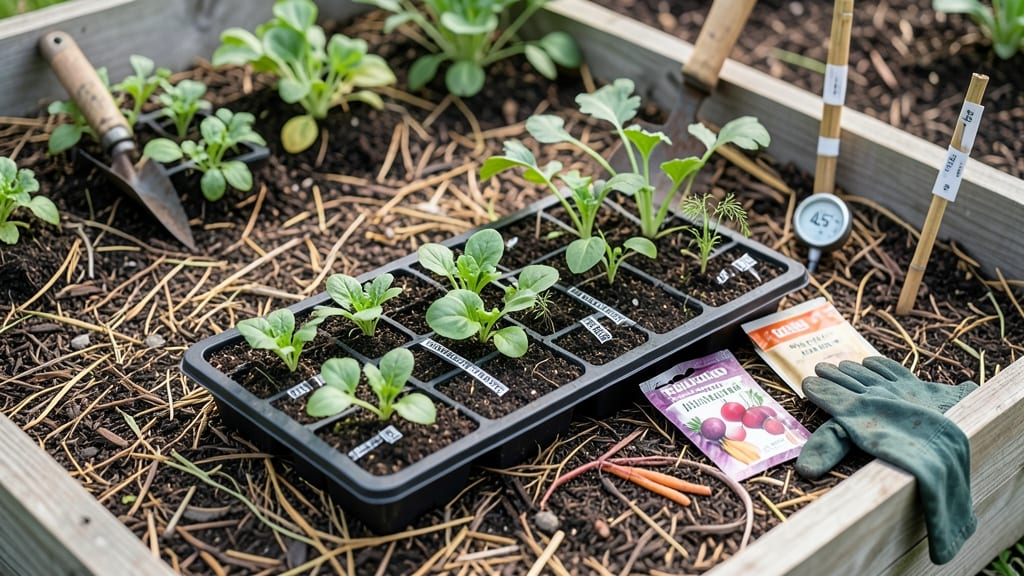
Timing your early spring vegetable planting in Zone 6 can make or break your garden's success—get it right, and you'll enjoy fresh peas and spinach by summer. The key isn't just checking a calendar; it's understanding how soil temperatures and last frost dates work together to create the perfect window.
Most gardeners in Zone 6 wait until after the average last frost date, usually around mid-April to early May, but cooler microclimates or late frosts can push that timeline later.
I've learned that rushing too early often leads to stunted plants or worse, while waiting too long might mean missing the ideal planting window for cold-hardy crops.
What if I told you the secret to healthy starts isn't just patience but preparation? Testing soil warmth with a simple thermometer and using protective covers can extend your growing season by 2-3 weeks.
Let me walk you through exactly when to plant each vegetable and how to give them the best possible start.
From lettuce to radishes, we'll cover the best planting dates, frost considerations, and soil prep tips tailored for Zone 6. Whether you're a beginner or a seasoned gardener, these insights will help you avoid common mistakes and maximize your harvest potential.

Zone 6 last frost dates & ideal planting windows for cold-hardy vegetables
Understanding your Zone 6 last frost date is the first step to successful early spring planting. Most areas experience their final frost between April 15 and May 1, but this varies by microclimate and elevation.
For example, northern Illinois typically sees frost until mid-April, while central Virginia may go frost-free by late March. Always check your local weather averages for precise timing.
Cold-hardy vegetables like peas, lettuce, and spinach can handle light frosts and should be planted 2-4 weeks before your last frost date. Semi-hardy crops such as broccoli and kale tolerate brief chills but prefer planting 1-2 weeks before the last frost.
Warmer-loving crops like beans and cucumbers must wait until after the last frost and soil temperatures reach 60°F+.
Here’s how to refine your timing: Subtract 2-3 weeks from your last frost date for cool-season crops and add 1-2 weeks for semi-hardy varieties. Use frost-free date calculators (like the Old Farmer’s Almanac) or ask local gardeners for microclimate insights—low-lying areas often frost later than slopes or south-facing beds.
Pro tip: Start hardy seeds indoors 6-8 weeks before your last frost to jumpstart growth. Transplant seedlings 1-2 weeks before the last frost for a head start on the season. This is especially useful for slow-growing crops like cabbage or Brussels sprouts.
🌱
| Vegetable | Planting Window | Notes |
|---|---|---|
| Peas | 4-6 weeks before last frost | Tolerates light frost; sow directly |
| Lettuce | 3-5 weeks before last frost | Bolts in heat; succession plant |
| Spinach | 4-6 weeks before last frost | Cold-hardy; harvest young leaves |
| Broccoli | 2-3 weeks before last frost | Semi-hardy; transplant seedlings |
| Kale | 3-4 weeks before last frost | Thrives in cool weather; harvest until frost |
| Radishes | 2-3 weeks before last frost | Fast-growing; ideal for early harvests |
| Carrots | 3-4 weeks before last frost | Direct-sow; thin seedlings |
| Beans | After last frost (soil 60°F+) | Warm-season crop; avoid frost |
For regional adjustments, consider these examples: In Chicago, IL, aim for April 15 as your last frost date, while Raleigh, NC gardeners can start 2 weeks earlier.
Use frost cloth or row covers to extend your planting window by 2-3 weeks if early frosts threaten. These protective layers can shield seedlings from 28°F temperatures.
Another key strategy is succession planting. For fast-growing crops like radishes or lettuce, sow seeds every 2 weeks until June 1 to ensure a continuous harvest.
This works especially well for salad greens that bolt in heat. Plan your planting calendar around these intervals to avoid gluts or shortages.
Finally, monitor local weather forecasts in the days leading up to your planting date. A late frost warning might delay your outdoor sowing, but it’s a perfect time to harden off seedlings or prepare your beds with compost and mulch.
Being flexible with your timeline ensures your early spring vegetables get the best possible start.
🌿
Soil temperature guidelines for early spring planting success
Understanding soil temperature is just as critical as tracking last frost dates when planting early spring vegetables in Zone 6. Seeds won’t germinate until the soil reaches their specific warmth thresholds—planting too early in cold soil can leave seeds rotting underground.
For example, peas and spinach can sprout in soil as cool as 40°F, while lettuce prefers 50°F and beans need a cozy 60°F to kickstart growth.
To check your soil’s readiness, use a soil thermometer (available for under $10) and test temperatures 1 inch deep—this mimics where seeds will sit. Morning is the best time to test, as soil cools overnight.
If your soil is still too chilly, try black plastic mulch or cloches to warm it up faster. These tricks can shave 1-2 weeks off your planting timeline, giving your cool-season crops a head start.
| Vegetable | Minimum Soil Temp (°F) | Ideal Planting Time (Zone 6) | Soil Prep Tip |
|---|---|---|---|
| Peas | 40°F | Mid-March to early April | Add compost for nitrogen |
| Spinach | 45°F | Late March to mid-April | Loosen soil to improve drainage |
| Lettuce | 50°F | Early April to early May | Use row covers for protection |
| Broccoli | 55°F | Late March to mid-April | Test pH (aim for 6.0-7.0) |
| Radishes | 50°F | Early April to late April | Plant in full sun for speed |
If your soil is still below 50°F in early spring, consider starting seeds indoors under grow lights. Transplant seedlings outdoors once soil warms up and nighttime temperatures stay above 45°F. For radishes and spinach, which mature quickly, this strategy can give you an earlier harvest by 2-3 weeks.
Just be sure to harden off seedlings by exposing them to outdoor conditions for 5-7 days before transplanting.
Another pro tip: Warm your soil faster by covering beds with clear plastic sheeting for 3-5 days before planting. This passive solar heating can raise soil temps by 5-10°F in just a few days.
Pair this with mulching after planting to retain moisture and warmth—straw or shredded leaves work perfectly. Remember, consistent soil warmth is the secret to uniform germination and strong seedlings that can outcompete weeds.
Don’t overlook microclimates in your garden. South-facing beds warm up faster than north-facing ones, so prioritize planting heat-sensitive crops like lettuce in these spots. Use a soil thermometer in multiple locations to identify the warmest areas.
If you’re unsure about your soil’s readiness, err on the side of caution—waiting a few days for the right conditions beats risking rotten seeds or stunted growth.
Finally, keep a planting journal to track soil temps and germination success. Note which vegetables thrive in your early spring conditions and adjust future planting dates accordingly. Over time, you’ll refine your timing to match your garden’s unique soil warmth patterns, leading to more reliable harvests each year. 🌱