
Plants
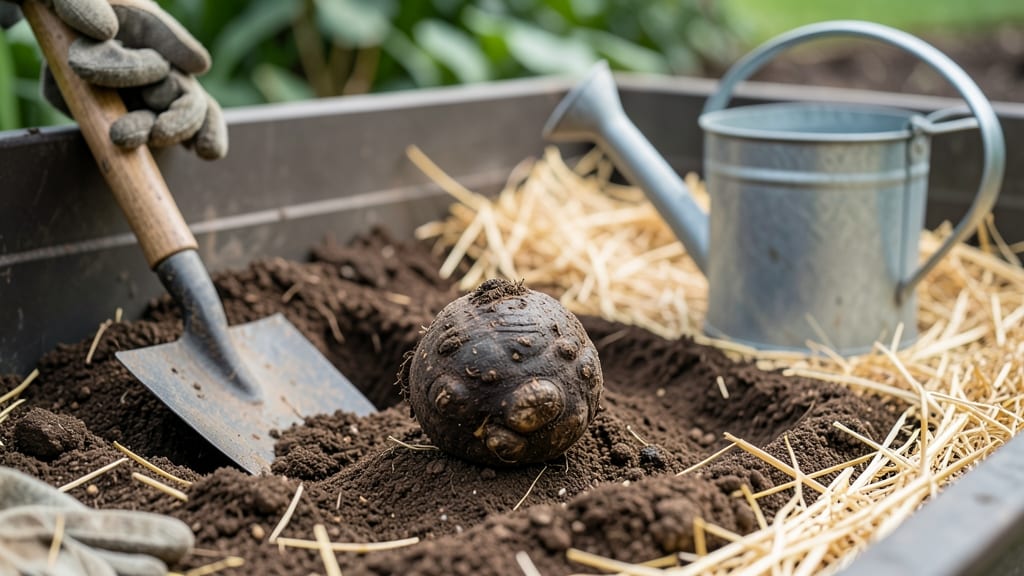
If you’ve ever watched your Elephant Ear 🌿 plants wilt under Missouri’s unpredictable spring weather, you know when to plant elephant ear bulbs in Missouri is everything. Planting these tropical beauties too early risks frost damage, while waiting too long means stunted growth before summer’s heat sets in.
The best window for planting Elephant Ear bulbs in Missouri is after your last frost—typically between April and May—when soil temperatures hit at least 60°F. This ensures your plants thrive in zones 5b-6b without struggling through late cold snaps or scorching heat.
But here’s the catch: Missouri’s microclimates vary wildly, from St. Louis’s humid summers to Kansas City’s drier spells. I’ll break down exactly how to adjust your planting schedule based on your specific zone, plus pro tips to keep those dramatic leaves lush all season.
Ready to transform your garden with bold foliage? Let’s dive into the perfect planting strategy so your Elephant Ear plants shine from spring through summer.
Ideal planting months for elephant ear bulbs in Missouri’s climate zones
Missouri’s USDA zones 5b-6b create a tricky balance for tropical elephant ear bulbs (Colocasia spp.). These dramatic plants thrive in warmth but can’t handle late frosts—so timing your spring planting after the last frost is critical.
In most of Missouri, that means waiting until mid-April to early May, but your exact window depends on whether you’re in St. Louis (Zone 6a), Kansas City (Zone 6b), or the northern Ozarks (Zone 5b).
For gardeners in Zone 5b, like those in the northern Ozarks, late May is often the safest bet—planting earlier risks soil temperatures below 60°F, which stunts root growth.
Meanwhile, Zone 6a/6b gardeners (St. Louis, Kansas City) can start as early as mid-April if they’ve confirmed the frost danger has passed. Always check your local Missouri State Climatologist or Missouri Botanical Garden frost maps for precision.
Here’s the golden rule: Plant elephant ear tubers when soil temps hit 60°F+. Use a soil thermometer to check—if it’s cooler, wait. Cold soil slows root development, leaving your plants vulnerable to heat stress once summer arrives.
Pro tip: Pre-warm tubers by soaking them in lukewarm water for 24 hours before planting to jumpstart growth.
Missouri’s humidity and summer heat (especially in July/August) can also stress elephant ears if planted too late. Tubers need 4-6 weeks to establish roots before the scorching heat of July hits.
If you’re a late planter, opt for container growing—it lets you move pots to shade or cooler spots during heatwaves.
Another key factor? Daylength. Elephant ears respond to longer daylight hours, so planting in late spring (April-May) aligns with their natural growth cycle.
If you plant in June or later, you’ll miss out on their full-size foliage and may see stunted growth—though some heat-tolerant varieties (like ‘Black Stem’) handle it better.
For fall planting, Missouri’s climate isn’t ideal—tubers need 6-8 weeks to harden off before frost, and our first frosts hit mid-October to November. If you’re determined to try, plant in late August and protect tubers with straw mulch (4-6 inches deep) to insulate them through winter.
However, spring planting is the foolproof choice for most gardeners.
One mistake I see often? Ignoring microclimates. A south-facing garden bed warms up faster than a north-facing spot, so you might plant tubers 1-2 weeks earlier in sunny areas. Similarly, urban heat islands (like St. Louis neighborhoods) can push planting back by a week compared to rural areas.
Always scout your site for frost pockets—low areas hold cold air longer.
Missouri’s unpredictable spring weather adds another layer. A late frost in early May (not uncommon in Zone 5b) can devastate newly planted tubers. To hedge your bets, stagger plantings: put half your tubers in mid-April and the rest in late April.
This way, if one batch gets nipped, the other has a fighting chance.
Finally, soil prep is non-negotiable. Elephant ears love rich, moist, well-draining soil with a pH of 6.0-7.0. Amend your beds with compost or aged manure 2-3 weeks before planting to give roots a head start.
In Missouri’s clay-heavy soils, mix in sand or perlite to prevent waterlogging—a common issue that leads to root rot.
Now, let’s break down the ideal planting timeline by Missouri region with this quick-reference table:
| Missouri Region | USDA Zone | Last Frost Date | Ideal Planting Window | Soil Temp Goal | ||||||||||||
|---|---|---|---|---|---|---|---|---|---|---|---|---|---|---|---|---|
| Northern Ozarks (e.g., Springfield) | 5b | April 15 - May 1 | Late May (after May 10) | 60°F+ | ||||||||||||
| St. Louis Area | 6a | April 1 - April 15 | Mid-April to early May | 60°F+ | ||||||||||||
| Kansas City Area | 6b | March 25 - April 10 | Late March to mid-April | 60°F+ | ||||||||||||
Ideal planting months for elephant ear bulbs in Missouri’s climate zonesMissouri’s USDA zones 5b-6b mean your elephant ear bulbs need precise timing—plant too soon, and frost will kill tender tubers; too late, and summer’s heat will stress them before they establish. The sweet spot is after your last frost date, typically mid-April to early May across most of the state. For northern Missouri (zones 5b), like St. Louis, aim for late April to early May when soil temperatures consistently stay above 60°F. In central/southern Missouri (zones 6a-6b), like Kansas City, you can plant earlier (mid-April) since frost risks drop sooner. Always check your local frost-free date—a quick online search or your county extension office can confirm. Here’s your Missouri-specific planting timeline to maximize growth before summer’s heat sets in:
Pro tip: If you’re planting in containers, you can start 2-3 weeks earlier since pots warm up faster. Just ensure they’re in a protected spot until nighttime temperatures stay above 50°F. For in-ground planting, amend your soil with compost or peat moss to improve moisture retention—critical for Missouri’s hot, dry summers. Missouri’s humidity and summer heat can stress elephant ears if they’re not established early. Aim to have them fully rooted by June so they can handle the 90°F+ days without wilting. In St. Louis or Columbia, where humidity spikes, opt for ‘Black Stem’ or ‘Illustrious’ varieties, which tolerate heat better than standard types. Remember: No blooms = no drama. Elephant ears are all about foliage, so get them in the ground when soil is warm and frost-free. Skip the rush—waiting an extra week for perfect conditions ensures bold, healthy leaves all season long. 🌿 |