
Plants
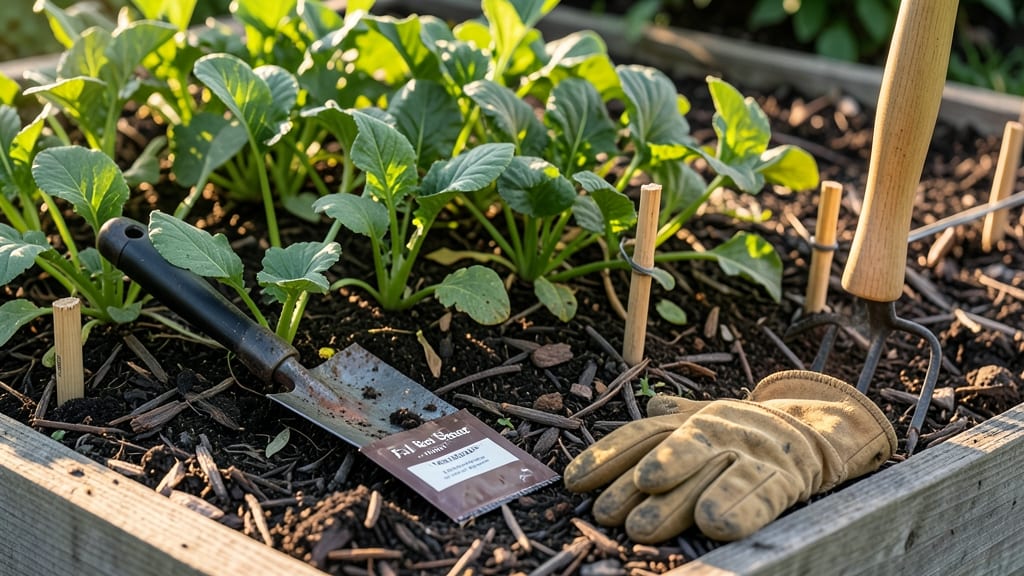
Timing your fall beet planting in Zone 7 could make the difference between tender, sweet 🍠 roots and tough, bitter ones—here’s the exact schedule to nail it every time.
If you’ve ever pulled a beet from the garden only to find it woody or small, you know how frustrating it can be.
The secret lies in starting seeds at the right moment—typically 4 to 6 weeks before your first frost—when soil temperatures stay cool but still warm enough for germination.
In Zone 7, that usually means late summer or early fall, but the exact timing depends on your variety and local microclimate. I’ll break down the best windows, soil prep tips, and how to adjust for early or late frosts so you can enjoy a steady harvest until winter.
Whether you’re growing baby beets for salads or storage varieties for root cellars, getting this right ensures you’ll have flavorful, homegrown beets straight through the season. Let’s get those seeds in the ground at the perfect moment!

Optimal planting windows for fall beets in Zone 7 by variety
Fall beets in Zone 7 thrive when planted at the right time—too early, and they’ll bolt in summer heat; too late, and frost will turn them woody. The ideal window is 4–6 weeks before your first frost date, typically late July to early September in this zone.
This timing ensures sweet, tender roots before winter sets in.
Not all beet varieties play nice with Zone 7’s climate. Baby beets (like 'Baby Keeper') mature faster (45–50 days) and can handle a late August plantingstorage varieties (e.g., 'Detroit Dark Red') need 60–70 days and should start in early to mid-July.
Heirloom types like 'Chioggia' also fit this schedule but may need slightly earlier sowing to avoid heat stress.
Direct seeding is the best method for fall beets—transplants struggle with root shock and often yield poorly. Plant seeds ½ inch deep when soil temps drop below 80°F (usually after mid-August in Zone 7). Use a soil thermometer to confirm; cooler soil prevents bolting and ensures sweeter roots.
Pro Tip: If your summer is scorching, try a shade cloth over seedlings to protect them until temps stabilize. This trick buys you 1–2 extra weeks of planting flexibility.
⚠️ Critical Note: Avoid planting after mid-September unless you’re using row covers to extend the season. Beets need 60–70 days to mature, and late starts risk frost damage before harvest.
| Variety Type | Days to Maturity | Best Planting Window (Zone 7) | Soil Temp Threshold | Spacing (inches) |
|---|---|---|---|---|
| Baby Beets | 45–50 | Late Aug–Early Sept | Below 80°F | 2–3" |
| Storage Beets | 60–70 | Early–Mid July | Below 75°F | 3–4" |
| Heirloom Beets | 55–65 | Late July–Early Aug | Below 80°F | 3–4" |
For maximum yield, succession plant every 2 weeks from July through August. This staggered approach ensures a continuous harvest until frost.
For example, plant one batch in early July (for storage), another in mid-August (for baby beets), and a final batch in late August (for quick harvest before cold snaps).
Choose loose, well-draining soil with a pH of 6.0–7.0—beets hate soggy roots. Amend clay soil with compost or sand to improve drainage. A light mulch (straw or shredded leaves) after thinning keeps soil moist and suppresses weeds, which is critical as beets mature.
Watch for bolt-resistant varieties if your Zone 7 summers run hot. Types like 'Early Wonder Tall Top' tolerate heat better than standard varieties, giving you a 10–15% higher success rate in late starts. Always check seed packets for "bolt-resistant" labels when selecting varieties.
Harvest beets when roots reach 1–3 inches in diameter—smaller ones are sweeter, while larger roots become tough. Use a fork or trowel to loosen soil before pulling to avoid damaging the roots. Store harvested beets in moist sand in a cool, dark place for up to 3 months.
If you miss the July–August window, don’t despair! Try cold-hardy varieties like 'Ruby Queen' and use row covers to push your last planting to early October. Just be prepared to harvest before hard frosts hit.
Calculating your exact frost date and planting deadlines
Determining your last planting date for fall beets in Zone 7 starts with knowing your average first frost date. Most Zone 7 gardens experience frost around November 1, but local microclimates can shift this by 1-2 weeks.
Check your USDA Plant Hardiness Zone Map and adjust for elevation or urban heat islands.
Beets need 60-70 days to mature, so count backward from your frost date. For example, if frost hits November 1, your last planting window is September 1-15. Planting too late risks woody, tough roots before harvest.
Use a row cover or cold frame to extend your season by 2-3 weeks. These tools protect young plants from light frosts (28°F) and let you plant 2-3 weeks later than the standard deadline.
🌱
For baby beets (harvested at 40-50 days), you can plant up to October 15 in Zone 7. Succession planting every 2 weeks ensures a steady harvest until frost.
Pro tip: Plant fast-maturing varieties like 'Detroit Dark Red' (58 days) or 'Babybeat' (45 days) for late-season success. Avoid slow varieties like 'Chioggia' (70 days) for fall plantings.
🌿