
Planting
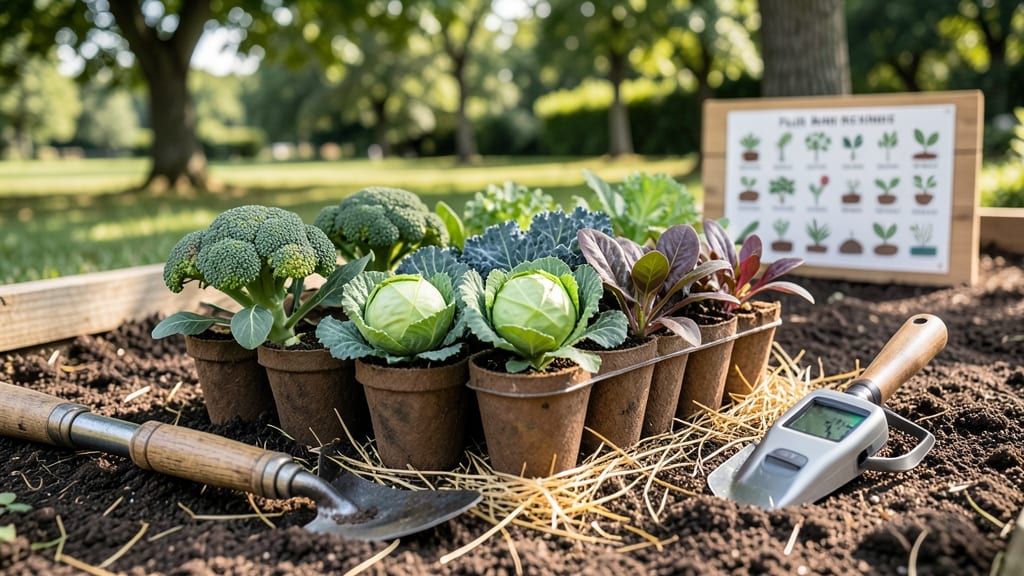
If you’ve ever watched your summer garden wilt under South Texas’ scorching sun, you know timing is everything when it comes to planting Fall Garden Vegetables (General) 🌱—and getting it wrong means missing out on fresh harvests.
The key isn’t just avoiding the heat; it’s leveraging the region’s unique climate to stretch your growing season well into winter.
Most gardeners assume fall planting starts in September, but in 9a-10a zones, waiting too long risks frost before your crops mature. I’ve tested the exact August-October window that works here, so you can skip the guesswork and plant with confidence.
Whether you’re in Corpus Christi or the Rio Grande Valley, these insights will help you beat the heat and harvest longer.
What if I told you the best varieties for South Texas aren’t just frost-hardy—they’re heat-resistant too? From leafy greens that thrive in 90°F soil to root crops that outlast early chills, we’ll cover the top picks that actually perform in this climate.
No more wasted seeds or bolted lettuce—just reliable, homegrown food.
Ready to transform your fall garden from a gamble into a guaranteed success? Let’s break down the week-by-week schedule, the critical mistakes to avoid, and how to prep your soil for maximum yields—so you can enjoy fresh harvests from October straight through December.
South Texas fall planting timeline by exact weeks (avoid summer heat shock)
Timing is everything in South Texas—plant your fall garden too early, and you’ll fry your seedlings in 95°F+ soil. Too late, and you’ll miss the 60-day harvest window before frost.
My exact week-by-week schedule aligns with South Texas’ USDA Zones 9a-10a, accounting for coastal humidity (Corpus Christi) and inland dry heat (San Antonio).
Start with heat-tolerant seeds in late July to give them time to establish roots before September’s cooling trend. For transplants, wait until mid-August when soil temps drop below 85°F.
This timeline ensures your crops mature before the first frost (Dec 15) while avoiding the brutal summer heat shock.
Here’s my week-by-week breakdown for planting, soil prep, and harvest readiness:
For coastal areas (e.g., Corpus Christi), push planting 2 weeks later due to higher humidity. Inland areas like San Antonio can plant 1 week earlier—just monitor soil temps with a thermometer.
If your soil stays above 85°F past mid-August, use shade cloth or delay until September 1st.
Pro tip: My go-to heat-resistant varieties include ‘Heatmaster’ tomatoes and ‘Black Seeded Simpson’ lettuce, which thrive in 90°F+ soil. These picks are non-negotiable for South Texas
South Texas fall planting timeline by exact weeks (avoid summer heat shock)
Timing your fall garden in South Texas isn’t about waiting for cooler weather—it’s about beating the heat while giving plants enough time to mature before frost. The August-October window is your golden opportunity, but the exact weeks depend on your crop type and microclimate.
For example, leafy greens like kale and spinach can handle 90°F soil if planted in early August, while root vegetables like carrots and beets need cooler temps to avoid bolting.
Most gardeners in USDA zones 9a-10a make the mistake of planting too late. If you wait until September, you risk early December frosts cutting your harvest short. My strategy? Start heat-resistant varieties in late July to early August for a staggered harvest, then transition to cooler-season crops by mid-September.
This two-phase approach ensures you’re not left with wilted plants or premature bolting.
Here’s the secret to success: microclimates matter. Coastal areas like Corpus Christi have milder temperatures, allowing you to plant 2-3 weeks later than inland regions near San Antonio.
For example, if you’re in the Rio Grande Valley, you can push your last planting window to early October for frost-sensitive crops like collards. Meanwhile, gardeners in El Paso should wrap up by mid-September to avoid unexpected chills.
Don’t overlook soil temperature—it’s just as critical as air temperature. Use a soil thermometer to confirm readings are below 85°F before planting cool-season crops.
If your soil is still too hot, opt for shade-tolerant varieties like Malabar spinach or arugula, which can handle partial shade while waiting for cooler conditions. Pro tip: Mulch heavily with straw or wood chips to cool the soil faster and retain moisture.
By following this week-by-week schedule, you’ll avoid the two biggest mistakes South Texas gardeners make: planting too early (and frying seedlings) or too late (and risking frost). The goal is to stagger your plantings so you’re harvesting something fresh from August through December—no gaps, no stress.
Start with heat-resistant varieties in August, then transition to cooler crops in September for a seamless harvest.