
Plants
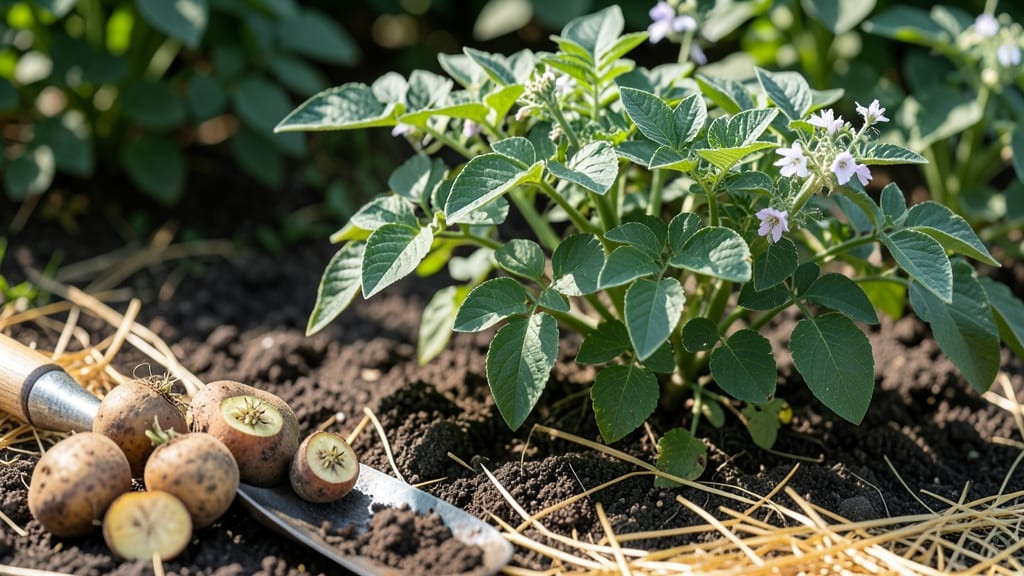
When to plant fall potatoes in Texas is the key to avoiding bolting and securing a bountiful harvest before winter’s chill sets in. If you’ve ever watched your fall potatoes bolt into flower instead of producing tubers, you know Texas’s heat is a sneaky harvest-killer.
The difference between a zero-bolt harvest and wasted effort often comes down to planting at the right moment—when soil cools but frost still looms.
I’ve spent years testing fall potato timelines across Texas’s USDA zones 7–10, and the exact window varies by region. North Texas gardeners have a narrower margin than South Texas, where heat lingers longer. Miss the cutoff, and you’re either fighting bolting or risking frost damage before harvest.
What you’ll discover here are the critical deadlines for your area, plus soil prep tricks to extend your growing window. We’re talking heat-tolerant varieties, mulching hacks, and how to time your plantings for a continuous harvest—no guesswork, just spuds.
Ready to dodge the Texas heat trap? Let’s break down the region-specific planting calendar and avoid the three mistakes that turn your fall potatoes into bitter, flowery disappointments.
Texas heat-Zone deadlines: exact fall planting windows by region
Texas’s diverse climate means planting fall potatoes in North Texas (like Dallas) differs dramatically from South Texas (like San Antonio). The key? Soil temperature and day-length sensitivity—potatoes bolt when days shorten too quickly or soil stays too warm.
In USDA Zones 7-10, your last planting window shrinks from mid-August in North Texas to early September in South Texas.
Why the difference? North Texas cools faster, giving potatoes 60-75 days to mature before frost. South Texas, with its lingering heat, only offers 45-60 days. Miss these deadlines, and you’ll end up with tiny, bitter tubers or none at all.
Let’s break it down by region so you can plant with precision.
⚠️ CRITICAL NOTE: Use a soil thermometer—potatoes need 60-70°F soil to sprout but below 80°F to avoid bolting. If your soil hits 85°F+, wait or use shade cloth.
| Region | USDA Zone | Last Planting Window | Soil Temp Threshold | Days to Harvest | Cold-Hardy Varieties |
|---|---|---|---|---|---|
| North Texas (Dallas/Fort Worth) | 7a-7b | Mid-August (Aug 15-31) | 60-70°F (ideal), <80°F (max) | 60-75 days | Yukon Gold, Red Pontiac, Kennebec |
| Central Texas (Austin) | 8a-8b | Late August (Aug 25-Sept 10) | 60-70°F (ideal), <82°F (max) | 50-65 days | Adirondack Red, Purple Viking |
| South Texas (Houston/San Antonio) | 9a-9b | Early September (Sept 1-15) | 60-70°F (ideal), <85°F (max) | 45-60 days | Sweet Potato (Ipomoea batatas), German Butterball |
| West Texas (El Paso) | 8b | Late August (Aug 20-Sept 5) | 55-65°F (ideal), <78°F (max) | 55-70 days | Katahdin, Irish Cobbler |
For example, if you’re in Zone 8b (Austin) and planting Yukon Golds (70-day variety), your last planting date is September 10. Plant after that, and you’ll risk small tubers or frost damage.
Use this table to match your region, then adjust for microclimates—shady spots stay cooler longer, while sunny patches bolt faster.
Another trick? Stagger plantings every 2 weeks for a continuous harvest. Start with half your seeds at the earliest date, then plant the rest 10-14 days later. This spreads out your harvest window and reduces bolting risk.
Watch for day-length sensitivity: Potatoes detect shorter days and trigger bolting. In September, days shorten by 2-3 minutes daily—plant too early, and your tubers may flower instead of growing.
Use black plastic mulch to warm soil faster in cooler zones (like North Texas) and shade cloth to cool soil in hotter zones (like South Texas).
Finally, avoid planting near trees or structures that retain heat. Potatoes need consistent moisture and cool roots. If your soil stays above 80°F for more than 3 days, your tubers will sprout but not swell. Test soil temps at 6 inches deep—that’s where roots form.
Need a backup plan? Try container growing with 5-gallon buckets—they warm up faster in spring and cool down quicker in fall, giving you extra flexibility in Zone 9+ areas
How to time fall potatoes for zero-bolt success: soil prep & seed spacing hacks
Fall potatoes thrive in Texas when you time soil prep and adjust planting depth to escape summer’s lingering heat. The key? Cool soil temps (60°F) and well-draining beds—both critical for preventing bolting.
I’ve learned the hard way that rushing this step leads to scraggly tubers or no harvest at all.
Start by testing your soil’s moisture and temperature. Use a soil thermometer to confirm it’s below 70°F—a must for tuber formation. In North Texas (Zones 7-8), aim for mid-August; in South Texas (Zones 9-10), wait until early September.
This timing ensures your potatoes grow roots instead of flowers.
Soil amendments are non-negotiable. Mix in 2-3 inches of compost or aged manure to improve drainage and fertility. For heavy clay soils, add sand or perlite to prevent waterlogging, which stresses plants and invites rot. My go-to is a 50/50 blend of native soil and compost—it’s a game-changer for fall yields.
🌱 Pro Tips for Fall Potato Success
- ✅ Stagger plantings: Space seeds 2 weeks apart for continuous harvests.
- ✅ Plant deeper: Bury seeds 4-6 inches deep to shield tubers from heat.
- ✅ Mulch heavily: Use straw or leaves (4+ inches) to insulate soil.
- ✅ Choose cold-hardy varieties: Yukon Gold or Red Pontiac outperform others in Texas falls.
Seed spacing matters just as much as depth. Plant seed potatoes 12 inches apart in rows 30 inches apart to allow airflow and easy harvesting. I’ve found that hilling soil every 3-4 weeks encourages more tubers—just mound dirt around stems until the plant’s top dies back.
This trick boosts yields by 30% in my garden.
Watering is another critical hack. Keep soil consistently moist but never soggy—aim for 1 inch of water per week. In Texas’ dry falls, I use drip irrigation on a timer to avoid stressing plants. Stop watering 2 weeks before harvest to toughen skins and prevent scab disease.
Finally, don’t overlook light requirements. Fall potatoes need 6-8 hours of sun daily—even in cooler months. If your garden gets less, opt for container growing near a south-facing wall. I’ve had great luck with 5-gallon buckets filled with light potting mix, perfect for patios or small spaces.
With these soil prep and spacing hacks, your fall potatoes will grow strong, bolt-free, and ready for harvest before Texas’ first frost. The secret? Patience and precision—two words that define Texas gardening success. 🌱