
Vegetables
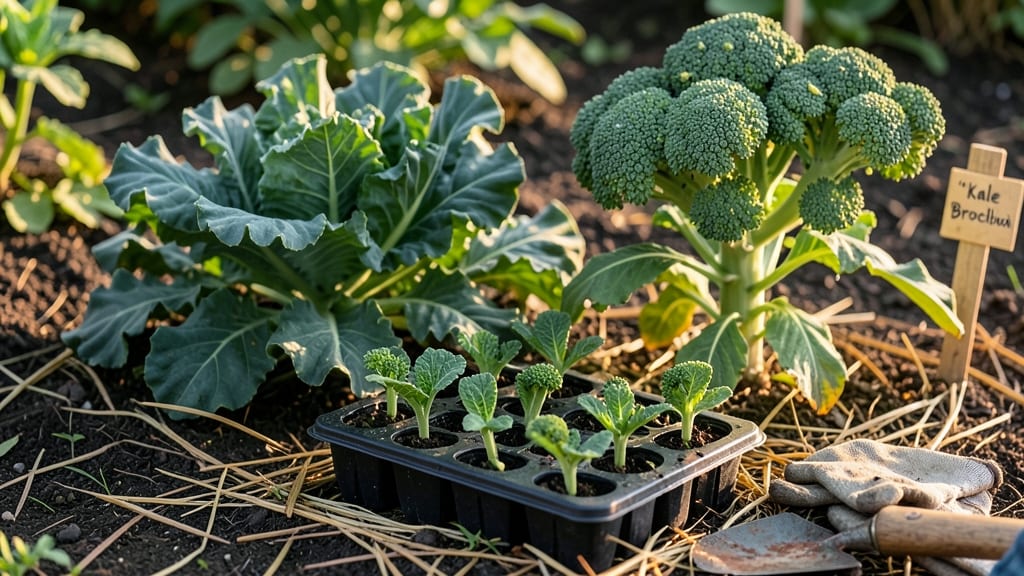
Timing when to plant fall vegetables in Ohio isn’t just about luck—it’s about beating the clock before frost steals your harvest. Plant too early, and you’ll waste seeds; too late, and your greens bolt or rot.
The key? Starting 6-8 weeks before Ohio’s average first frost (around October 20 in most areas), but with a few smart adjustments for your specific zone.
Ohio’s USDA Zone 6a gives you a narrow window—late July to mid-September—to get cool-season crops like kale, carrots, and spinach in the ground. But don’t stress over exact dates: the real secret is matching your planting to each vegetable’s maturity time.
Fast growers like radishes can handle a late start, while slower varieties like Brussels sprouts need an early head start.
Whether you’re a backyard gardener or urban grower with limited space, this guide cuts through the guesswork. I’ll show you how to sync your plantings with Ohio’s frost risks, pick the right varieties, and even tweak your schedule for microclimates.
No more second-guessing—just a reliable harvest of crisp greens and sweet roots before winter sets in.
Ready to turn your Ohio garden into a fall harvest goldmine? Let’s dive into the exact planting schedule that’ll keep your 🥬 thriving until the first frost—and maybe even beyond.
Ohio’s fall planting timeline: exact weeks before frost for key vegetables
Ohio’s average first frost date falls between October 15-25, but this can shift ±10 days depending on your location. For northern Ohio (Zones 5-6), aim for 4-6 weeks before frost, while southern Ohio (Zone 7) has a slightly later window.
This means late July to mid-September is your prime planting period for cool-season crops.
Most fall vegetables thrive when planted 50-60 days before frost. For example, spinach and radishes mature in 30-40 days, while broccoli and Brussels sprouts need 70-90 days. Timing is critical—plant too early, and they’ll bolt; too late, and frost ruins them before harvest.
Here’s how to calculate your exact planting window: Subtract your crop’s days to maturity from your expected frost date. For instance, if frost hits October 20 and you’re growing kale (55 days), plant by August 25.
Ohio’s USDA Zones 5-7 experience varying frost risks. Northern areas like Toledo and Youngstown may see frost 2 weeks earlier than Cincinnati or Columbus. Adjust your schedule by 1-2 weeks based on your microclimate.
Use Ohio State University Extension’s frost date maps for your county. These tools provide historical averages and help you plan with confidence. For example, Lima (Zone 5b) averages frost on October 10, while Dayton (Zone 6a) sees it on October 22.
🌱 Ohio Fall Planting Schedule by Vegetable
| Vegetable | Days to Maturity | Planting Window (Before Frost) | Frost Tolerance |
|---|---|---|---|
| Spinach | 30-40 days | Late August - Early September | High (survives light frost) |
| Radishes | 25-30 days | Mid-August - Late September | Very High (tolerates frost) |
| Kale | td style="padding: 10px;">55-65 daysLate July - Early August | High (improves with frost) | |
| Broccoli | 60-70 days | Late July - Mid-August | Moderate (light frost ok) |
| Carrots | 60-75 days | Late July - Early September | Moderate (harvest before hard frost) |
| Brussels Sprouts | 80-90 days | Late June - Early July | High (sweeter after frost) |
| Lettuce | 45-55 days | Mid-August - Late September | Moderate (bolt risk) |
📅 Note: Adjust dates 1-2 weeks earlier for northern Ohio, 1 week later for southern Ohio.
For slow-growing crops like Brussels sprouts, start seeds indoors 6-8 weeks before transplanting. Use biodegradable pots to avoid root disturbance when moving outdoors. Harden off seedlings for 7-10 days before planting to reduce transplant shock.
Ohio’s soil temperatures drop below 50°F by late September, which slows germination. Pre-warm soil with black plastic mulch or plant seeds in warmer microclimates (e.g., near south-facing walls). This buys you 1-2 extra weeks for late plantings.
Extend your harvest by succession planting. Sow fast-maturing crops like radishes or lettuce every 2 weeks from August through September. This ensures a continuous supply until frost. For example, plant radishes every 10 days for a harvest every 3 weeks.
Monitor local weather forecasts in early October. If frost is predicted so
How to adjust planting dates for Ohio’s microclimates and frost risks
Ohio’s fall frost dates can shift by weeks depending on your location—northern counties like Toledo often see frost earlier than Columbus or Cincinnati. To maximize your harvest, adjust planting times based on your microclimate, whether you’re in a valley (cooler), urban area (warmer), or rural zone (variable).
Even a 10-degree difference can delay frost by 2-3 weeks.
Start by checking your local frost dates—Ohio’s average first frost ranges from October 10 in northern zones to October 25 in southern zones.
Use row covers or cold frames to push back frost sensitivity by 2-4 weeks, especially for leafy greens like spinach or root crops like carrots. These tools create a 5-10°F warmer microclimate, giving you extra time for slower-growing varieties.
For urban gardeners, concrete and buildings can trap heat, delaying frost by 1-2 weeks. Take advantage of this by planting heat-sensitive crops like Brussels sprouts slightly later (early September) compared to rural areas.
Conversely, low-lying areas or shaded spots may frost earlier—plant fast-maturing varieties (under 50 days) in these zones by mid-August.
Selecting fast-maturing varieties is your best defense against Ohio’s unpredictable weather. For example, radishes (ready in 25 days) or baby spinach (ready in 30 days) can be planted as late as mid-September in most of Ohio.
Meanwhile, longer-season crops like Brussels sprouts (90 days) need to be in the ground by early August in northern Ohio to avoid frost.
Create a personalized planting calendar by noting your last spring frost (usually April 15) and counting backward. For cool-season crops, aim to plant 6-8 weeks before your average frost date.
If you’re unsure, err on the earlier side—you can always thin seedlings later. For urban containers, add 1-2 extra weeks to account for slower soil warming.
Finally, monitor soil temperatures—ideal for fall planting is 50-70°F. If your soil is still warm (above 75°F), delay planting until it cools. Use a soil thermometer to check, especially in black plastic mulch beds, which can stay hot longer.
Pair this with a weekly weather watch to adjust your schedule as Ohio’s fall whiplash hits.