
Plants
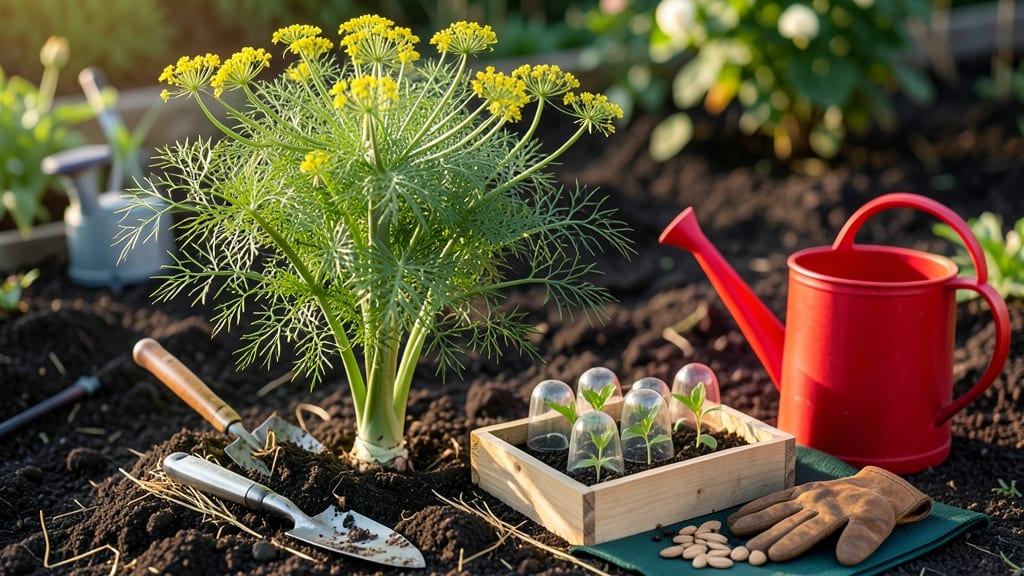
Planting fennel 🌿 in Zone 9 at the wrong time can turn your garden into a bitter disappointment—because timing isn’t just about months, it’s about soil temperature.
Most gardeners in Phoenix or Southern California rush to plant too early, only to watch their seeds sit in the ground for weeks without sprouting.
Here’s the game-changer: fennel thrives when soil temperatures hit 50°F–60°F, which in Zone 9 means late winter to early spring—typically January to March. Skipping this window risks slow germination or bolting, but get it right, and you’ll enjoy crisp bulbs by spring.
I’ll walk you through exactly how to time your planting for fast germination, including when to adjust for heat spikes and how to avoid common mistakes that kill fennel before it even starts.
Ready to grow fennel that’s sweet, not bitter? Let’s dive into the perfect planting schedule for Zone 9’s unique climate.

Optimal planting windows for fennel in Zone 9 by soil temperature
In Zone 9, where winters are mild and summers scorching, timing your fennel planting by soil temperature is your best bet for success.
Unlike frost-sensitive regions, Zone 9 gardeners can plant fennel twice a year—early fall and late winter—but only when soil temps hit the 50°F–60°F sweet spot for germination.
Fennel seeds are notoriously slow to sprout, often taking 7–21 days to break through the soil. If you plant too early in Zone 9’s cool season, seeds may rot; too late, and the heat will trigger bolting (premature flowering).
A soil thermometer ($10 at garden centers) is your secret weapon to nail the perfect window.
Here’s the breakdown: Aim for 50°F–60°F soil temps for direct sowing. In Zone 9, this typically aligns with mid-February to early March for spring planting and late August to September for fall. But don’t guess—check your soil!
For container gardening, soil warms faster, so you can plant fennel 2–3 weeks earlier than in-ground. Just ensure pots have drainage holes to prevent soggy roots, which fennel hates.
Pro tip: If your Zone 9 microclimate runs hot (like desert areas), opt for shade cloth after planting to keep seeds cool until germination. This mimics the ideal 50°F–60°F range longer.
| Planting Window | Soil Temp Range | Zone 9 Months | Best For |
|---|---|---|---|
| Spring Planting | 50°F–60°F | Mid-February–Early March | Fastest growth, mild temps |
| Fall Planting | 50°F–60°F | Late August–September | Avoids summer heat |
| Container Planting | 55°F–65°F | Late January–Early April | Warmer microclimate |
If you miss the 50°F–60°F window, don’t panic. Fennel seeds can tolerate soil temps down to 40°F, but germination slows dramatically. For Zone 9’s late winter (e.g., April), plant fennel in partial shade and use mulch to keep soil cool.
Remember: Fennel is a cool-season crop, so avoid planting when daytime temps exceed 85°F. In Zone 9’s summer, fennel bolts quickly, producing bitter bulbs. Save summer planting for shade-tolerant varieties like Florence fennel.
For bulb fennel (the edible variety), prioritize spring planting in Zone 9. The cooler months yield sweeter, more tender bulbs. If you’re growing feather fennel (for seeds), fall planting works well—it thrives in mild weather and avoids summer stress.
Always test your soil pH before planting. Fennel prefers 6.0–7.0. If your soil is too alkaline (common in desert Zone 9 areas), amend with compost or peat moss to improve drainage and fertility.
Lastly, mark your calendar for Zone 9’s heat waves. If temps spike above 90°F after planting, provide dappled shade until seedlings emerge. Patience is key—fennel’s slow start pays off with bold, aromatic fronds and crisp bulbs.
Optimal planting windows for fennel in Zone 9 by soil temperature
Zone 9’s mild winters and warm springs create a perfect window for growing fennel, but timing matters. The key is soil temperature—fennel seeds germinate best when soil reaches 50°F–60°F.
In Zone 9, this typically aligns with late winter to early spring, but microclimates can shift those dates.
For fastest germination, aim to plant when daytime highs are 65°F–70°F and nighttime lows stay above 45°F. This usually means February–March in most of Zone 9, but coastal areas may extend planting into April.
A soil thermometer is your best tool—plant only when readings consistently hit 55°F.
Here’s how to match planting windows to your local conditions:
If you miss the primary window, don’t despair—fennel can handle light frosts (unlike many herbs), so a late winter planting in January is still viable. However, avoid planting after April in most of Zone 9, as the heat will cause bolting (premature flowering) and bitter bulbs.
Pro tip: In Zone 9b (e.g., Phoenix), where winters are warmer, start seeds indoors in January and transplant outdoors in February. This gives seedlings a head start before soil warms up. Use shade cloth if transplanting into summer heat—even young plants struggle with temps above 85°F.
Remember, fennel is a cool-season crop, so the goal is to establish it before summer’s intensity kicks in. With the right timing, you’ll enjoy harvest-ready bulbs by late spring—just in time for fresh salads and savory dishes! 🌱