
Plants
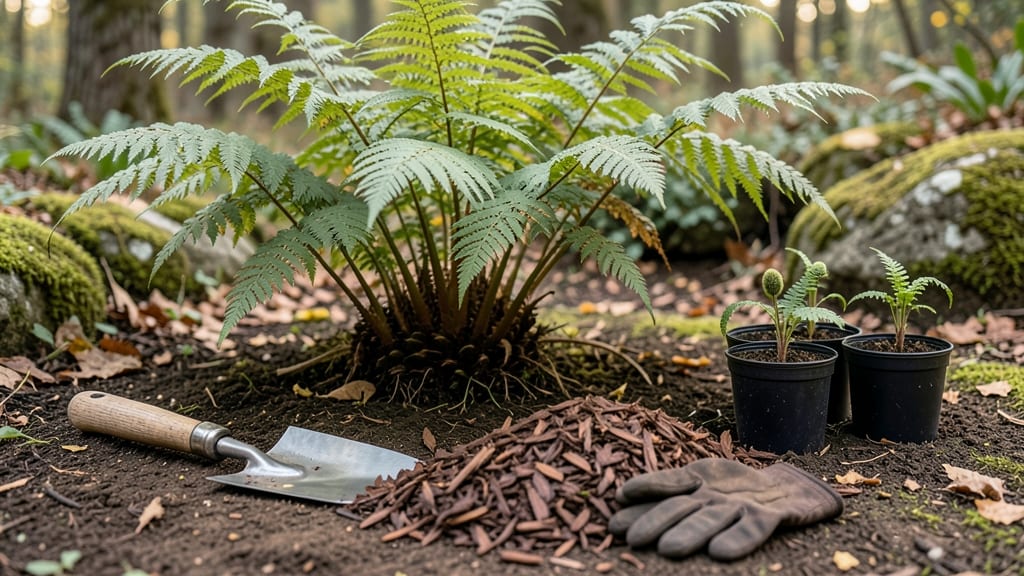
Timing your 🍃 fern planting in Michigan isn't just about the calendar—it's about reading the soil and sky. Michigan's 5b-6b zones mean frost can linger into May, while early fall planting offers a second chance for root establishment before winter sets in.
Most gardeners make the mistake of planting too early, only to watch their ferns struggle with cold soil. The key is waiting until the ground reaches 50-60°F, typically mid-April to May, when the last frost has passed and moisture levels are stable.
I've learned the hard way that Michigan's unpredictable weather demands patience. Whether you're planting ostrich ferns or delicate maidenhair varieties, these two windows—spring and early fall—are your best bets for thriving, perennial growth.
Let me show you exactly how to time your planting for Michigan's unique conditions, so you can enjoy lush, vibrant ferns from season to season without the guesswork.
Michigan’s ideal fern planting windows by growing Zone
Michigan’s USDA Zones 5b-6b create a 150-180 day frost-free window, making timing critical for fern success. Most ferns thrive when planted after soil warms to 50-60°F, which typically occurs in late April to early May across the state.
However, Michigan’s microclimates mean northern regions (Zone 5b) may need to wait until mid-May, while southern areas (Zone 6b) can plant as early as April 15th.
Fall planting is also viable in Michigan, with September being ideal for establishing roots before winter. This method leverages the fern’s perennial nature, allowing it to grow vigorously from spring’s first warm days. For Michigan gardeners, this means two planting windows: spring (April-May) and early fall (September).
Here’s how to align your planting with Michigan’s growing zones and soil temperature thresholds for maximum success:
For Michigan gardeners, spring planting is the most popular choice because it aligns with the fern’s natural growth cycle. However, fall planting offers advantages like established roots before winter and reduced competition from weeds.
If you choose fall, aim to plant 6-8 weeks before the first expected frost, which typically hits mid-October in most of Michigan.
Michigan’s hardiest fern varieties, such as the Christmas fern (Polystichum acrostichoides) and ostrich fern (Matteuccia struthiopteris), can tolerate Zone 5 conditions and are ideal for northern Michigan.
These varieties thrive in partial shade and moist, well-draining soil, making them perfect for Michigan’s woodland gardens and shaded borders.
When selecting ferns for Michigan, prioritize cold-hardy species that can withstand late spring frosts. For example, the marginal wood fern (Dryopteris marginalis) is a top choice for Zone 5b because it re-sprouts quickly after frost damage.
In contrast, maidenhair ferns (Adiantum) prefer warmer microclimates and are better suited for Zone 6b areas.
To ensure your ferns establish well, test soil temperature with a soil thermometer before planting. Wait until the soil reaches at least 50°F at a 4-inch depth. This step is crucial in Michigan, where late spring frosts can still occur in May, especially in northern regions.
Pro tip: Use black plastic mulch or straw mulch to warm soil faster in early spring. This technique can advance your planting window by 2-3 weeks, giving your ferns a head start in Michigan’s short growing season.
Remember, ferns are perennials in Michigan, meaning they’ll return year after year if planted correctly. By aligning your planting with soil temperature and frost-free dates, you’ll set your ferns up for lush, healthy growth throughout Michigan’s shaded garden spaces. 🌿
How to time fern planting for Michigan’s unpredictable weather
Michigan’s variable frost dates and microclimates can throw off even the most experienced gardeners. To give your ferns the best start, I’ve learned to adjust planting dates based on soil temperature, local frost patterns, and weather forecasts.
In my experience, waiting until the soil reaches 50-60°F is critical—this ensures roots establish before summer heat arrives.
One trick I use is checking the National Weather Service’s frost prediction maps for my specific area. For example, in Northern Michigan (Zone 4-5), I wait until mid-May to plant, while in Southern Michigan (Zone 6), early April often works.
This flexibility helps me avoid late frosts that can damage tender new fronds.
⚠️ Key Timing Adjustments for Michigan
- 1. Use a cold frame for early starts in Zone 4-5 (extends growing season by 3-4 weeks).
- 2. Mulch heavily (3-4 inches of shredded bark) to warm soil faster in spring.
- 3. Monitor soil, not air temp—use a soil thermometer to confirm 50°F+ at 4" depth.
- 4. Plant fall ferns by September 15 to allow roots to establish before winter.
- 5. Watch for false springs—late frosts in April can still occur, so have row covers ready.
For container-grown ferns, I’ve found you can plant 2-3 weeks earlier than in-ground varieties because pots warm up faster. However, always harden off potted ferns for 7-10 days before transplanting to prevent shock from Michigan’s temperature swings.
I also recommend planting on a cloudy day to reduce transplant stress.
Another pro tip: I mark my last frost date on my calendar and set reminders for 6 weeks before—this gives me time to prepare beds with compost and organic matter while waiting for the perfect planting window.
In my Zone 5b garden, this means starting prep in early April, even if I don’t plant until late May.
Don’t forget about microclimates! South-facing slopes warm up faster than shaded areas, so I plant those spots first. Conversely, low-lying areas with poor drainage might need a 2-week delay to avoid waterlogged soil.
Observing these patterns over years has helped me create a custom planting schedule that works for my specific yard.
Finally, I always keep a backup plan—extra ferns in pots ready to go if an unexpected frost threatens. This flexibility has saved my ferns from damage in years when Michigan’s weather defied predictions. With these strategies, you’ll be ready to plant at the optimal moment for your local conditions.