
Plants
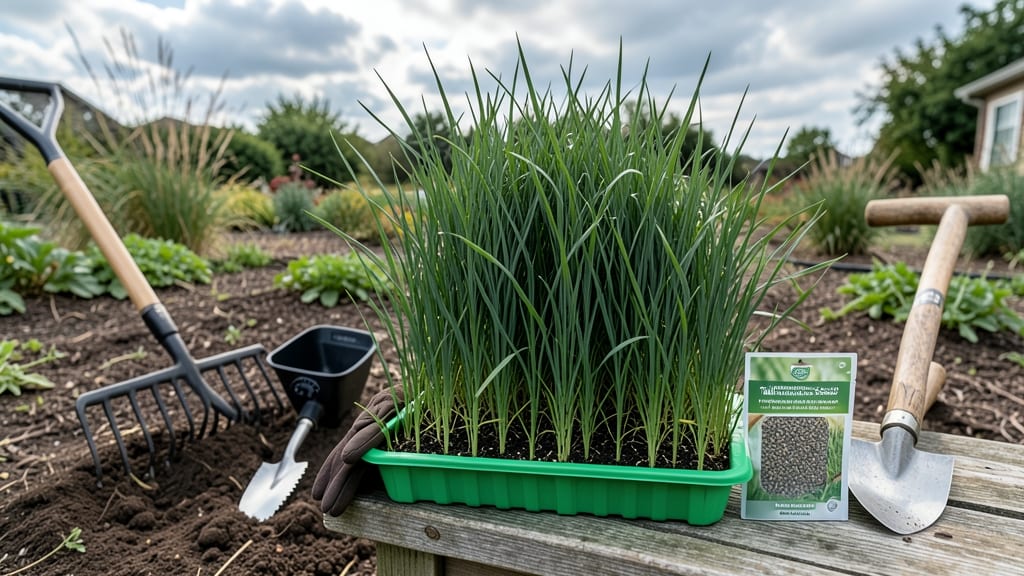
If you're asking "when to plant fescue in Kansas", timing is everything for a lush, drought-resistant lawn that actually takes root. The wrong window means struggling with weak growth, even with the best soil prep or seed quality.
Kansas' 5b-7a climate gives you two prime chances—early fall or spring—but each has its own secrets for success.
Most gardeners know fall planting works best, but did you know planting 4-6 weeks before first frost (around October) gives fescue 🌱 the ideal 50-65°F soil to establish deep roots before winter?
Spring planting in March gives you a head start, but you'll need to beat the heat—soil that's too warm can stress young grass. The key is reading your local microclimate, not just following a calendar.
What sets Kansas apart? Our variable rainfall patterns and clay-heavy soils in some regions mean you can't treat every yard the same. Too much moisture in spring? Adjust your schedule. Sandy soil drying out fast?
Plan for extra watering. I'll walk you through how to match your planting window to your specific Kansas conditions—so you're not guessing whether your lawn will thrive or fight for survival.
Ready to skip the trial-and-error? Let's break down the exact months that work best for your part of the state, plus the 3-step prep that makes all the difference between a mediocre lawn and one that's the envy of the neighborhood. Your perfect timing starts here.
Best months to plant fescue in Kansas by region
Kansas’ diverse climate—from the cooler northern plains to the warmer southern regions—means your fescue planting window should align with local USDA zones 5b-7a and soil temperatures.
For most of the state, early fall (September-October) is ideal, but spring planting (March) works too, especially in southern Kansas where winters are milder. Let’s break down the best times by region to avoid heat stress or late-season drought.
In Northern Kansas (zones 5b-6a), where winters are colder and summers hotter, aim to plant fescue seed between late August and mid-September. This gives roots time to establish before first frost (October 15).
If you opt for spring planting, wait until mid-March when soil temps hit 50°F consistently. Planting too early risks seed rot from lingering moisture.
For Central Kansas (zone 6b), the sweet spot is early September to early October. This balances cooler temps (60-70°F) with adequate rainfall—critical for germination.
Spring planting here can stretch into late March if you’re in a warmer microclimate, but avoid planting after April 15 when summer heat arrives.
| Region | Best Fall Window | Best Spring Window | Soil Temp Goal | Key Risk |
|---|---|---|---|---|
| Northern Kansas (5b-6a) | Late Aug - Mid-Sept | Mid-March | 50-65°F | Late frost damage |
| Central Kansas (6b) | Early Sept - Early Oct | Late March | 55-65°F | Summer drought |
| Southern Kansas (7a) | Mid-Sept - Late Oct | Early April | 60-70°F | Heat stress |
Southern Kansas (zone 7a) offers the most flexibility, with mid-September to late October as the prime window. The milder winters here mean spring planting can extend into early April, but avoid waiting past April 15—soil temps can spike to 75°F+, stressing young seedlings.
If you’re in a sandy soil area, plant 2-3 weeks earlier to prevent moisture loss.
Regardless of region, avoid planting fescue in Kansas during extreme heat (June-August). Temperatures above 85°F cause seeds to dry out before germination, and established grass struggles to root in drought conditions.
Even in fall, monitor rainfall forecasts—if your area predicts less than 1 inch of rain per week, delay planting until conditions improve.
Pro tip: Use a soil thermometer to confirm temps are 50-65°F at 2-inch depth before planting. Cool-season grasses like fescue thrive in these conditions, and root establishment accelerates when daytime highs stay below 75°F. In clay-heavy soils, aerate 2-3 weeks before planting to improve drainage and seed-to-soil contact.
For overseeding existing lawns, follow the same timing but reduce seed rates by 25%. This prevents competition with established grass and ensures even coverage.
If you’re renovating a bare patch, focus on late August to early September—this gives new grass time to fill in before winter.
One common mistake Kansas gardeners make is planting too late in fall. If you miss the September-October window, wait until March—don’t plant in November or December. Seeds won’t germinate in freezing temps, and you’ll waste money on seed that rots in the soil.
Always check the National Weather Service for your local frost dates to plan accordingly.
Finally, consider microclimates on your property. South-facing slopes warm faster and may support late-spring planting (April), while north-facing areas stay cooler and benefit from earlier fall planting (August). Adjust your timeline based on these nuances to give your fescue lawn the best start.
How Kansas soil and weather affect fescue planting timing
Kansas’s diverse climate zones and soil variations play a huge role in when you should plant fescue grass. Unlike warm-season grasses, fescue thrives in cooler temperatures (50–65°F), making late summer/early fall the sweet spot for most regions.
But if your soil stays too cold or dry, you might need to adjust your timeline.
The USDA Zones 5b–7a in Kansas mean northern areas (like Salina) can plant slightly earlier than southern regions (such as Wichita). Clay-heavy soils retain moisture longer, delaying ideal planting by 1–2 weeks, while sandy soils dry out faster, requiring earlier seeding to avoid drought stress.
Soil temperature is your best guide—wait until it drops below 75°F to prevent seed burn. Use a soil thermometer to check depths of 2–4 inches. In drought-prone years, prioritize fall planting (September–October) to give roots time to establish before winter.
Rainfall patterns also shift timing. Northern Kansas often gets consistent moisture in early fall, while southern areas may need supplemental irrigation to keep seeds moist. If your area faces late-summer droughts, consider spring planting (March–early April) instead.
🌱 Key Takeaways for Kansas Fescue Planting
- Soil Temp: Plant when soil is 50–65°F (use thermometer!)
- Clay Soil: Delay 1–2 weeks to avoid waterlogging
- Sandy Soil: Plant earlier to retain moisture
- Drought Risk: Fall planting > Spring in dry years
- Rainfall: Northern KS: natural moisture; Southern KS: irrigate
Pro Tip: Test soil moisture by squeezing a handful—if it crumbles easily, it’s ready for seeding! 💧
Extreme heat or cold can stall germination. In Zone 7a (southern KS), avoid planting after mid-October to prevent winter kill. Meanwhile, Zone 5b (northern KS) can extend fall planting to late October if frost isn’t imminent.
For overseeding existing lawns, choose cool, cloudy days to reduce stress on the grass. Mornings are ideal—seeds stay moist longer, and evening watering can invite fungal issues. Adjust your schedule based on weekly weather forecasts for the best results.