
Plants
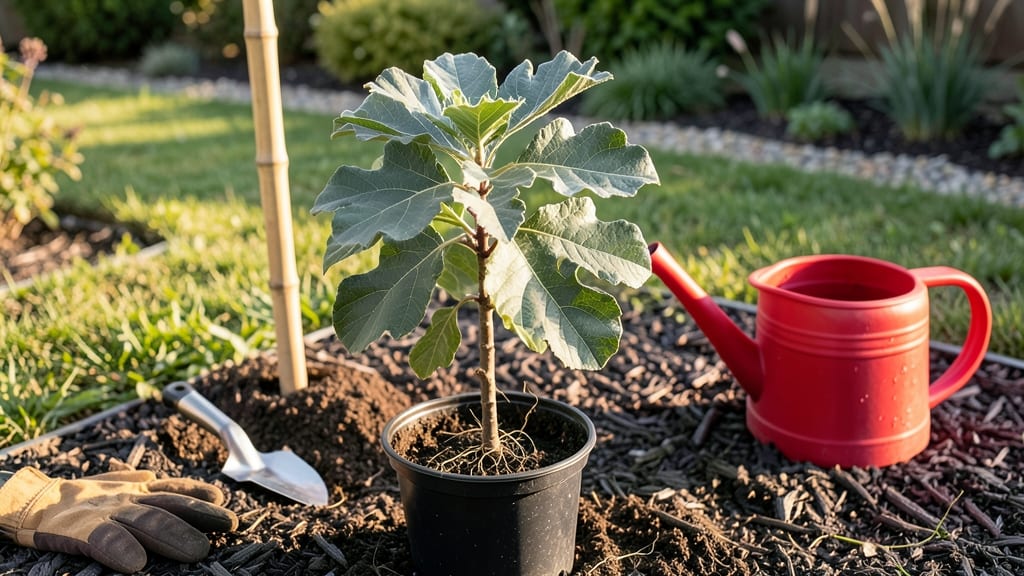
Timing when to plant a fig tree in the ground perfectly is the difference between a thriving 🍈 harvest and frozen roots that never recover. If you're in USDA Zone 6 or warmer, the window for planting opens in April—but only after the last frost has passed.
Why does this matter? Fig trees are sensitive to cold, and planting too early risks stunted growth or even death. I’ve seen firsthand how a few weeks can mean the difference between a healthy tree and one struggling to survive.
The key is understanding your local frost dates and soil temperatures.
In cooler climates like Zone 6, you’ll want to wait until soil warms to at least 60°F—usually 4-6 weeks after the last frost. For warmer zones, the window extends into May, but timing still matters to avoid summer heat stress.
Let’s break down the exact steps to plant your fig tree at the perfect moment, including soil prep, regional adjustments, and how to protect it if frost sneaks back. Your future harvest depends on getting this right!
USDA Zone planting calendar for fig trees: best months by region
Fig trees thrive in warm climates but can adapt to cooler zones with the right timing. The key is planting when soil temperatures reach 60°F+ and frost risk is minimal.
In USDA Zones 7-11, spring planting yields the best results, while colder zones (6 and below) require container growing or delayed planting.
Your last frost date determines the ideal window. Check your local USDA zone map—figs need 120-180 frost-free days to mature. For example, in Zone 8, plant between March 15-April 30, while Zone 10 gardeners can plant year-round but prefer spring or fall.
Soil temperature matters more than air temperature. Use a soil thermometer to confirm warmth. Fig roots struggle in cold soil, leading to poor establishment. Aim for 60-70°F soil temps before planting—this typically aligns with late April-early June in most regions.
| USDA Zone | Best Planting Months | Soil Temperature | Frost Risk |
|---|---|---|---|
| Zone 6 (Coldest) | Late May-June (containers only) | 60°F+ | High (use winter protection) |
| Zone 7 | April-May (after last frost) | 60°F+ | Moderate (mulch heavily) |
| Zone 8 | March-April | 65°F+ | Low (minimal risk) |
| Zone 9 | February-March | 65°F+ | Very Low |
| Zone 10-11 | Year-round (best in spring/fall) | 70°F+ | None |
In Zone 6, figs are high-risk plants—they’ll die if exposed to 28°F or below. To succeed, plant in containers and move them indoors during winter. For Zones 7-9, in-ground planting works if you mulch heavily (4-6 inches of straw) and water deeply before winter.
For Zones 10-11, timing is flexible, but spring planting (February-March) gives trees time to establish before summer heat. Avoid planting in peak summer—high temps stress young roots. Instead, opt for fall planting (September-October) to let roots settle before winter.
Pro tip: Test your soil before planting. Figs prefer well-draining, slightly alkaline soil (pH 6.0-7.0). Amend heavy clay with compost or sand to prevent root rot. A raised bed also improves drainage in wet climates.
If you’re in a transition zone (e.g., Zone 7b), err on the side of later planting. Early springs with unpredictable frosts can kill young fig trees. Use row covers for extra protection if frost threatens after planting.
Remember: Dwarf varieties (like 'Little Miss Figgy') adapt better to cooler zones than standard figs. They mature faster and produce fruit 2-3 years earlier, making them ideal for Zone 6-7 gardeners.
Once planted, water deeply for the first 30 days to encourage root growth. After that, figs are drought-tolerant but still need 1-2 gallons of water per week during dry spells. Mulch around the base to retain moisture and regulate soil temperature.
How to plant fig trees in cold climates: container vs ground methods
Fig trees thrive in warmth but can survive in USDA Zones 6 and below with the right strategies. The key difference? Ground planting works best in Zones 7-11, while container growing extends your options to colder regions. Let’s break down how to choose—and protect—your fig tree in chilly climates.
In Zones 6 and colder, frost kills fig trees, but containers let you move them indoors during winter. For in-ground planting, select microclimates (like south-facing slopes) where temps stay milder. Both methods require well-draining soil and warm soil temperatures (60°F+) to root successfully.
Container Growing vs In-Ground Planting for Fig Trees
✅ Container Growing
- Pros: Move indoors in winter, protect from frost
- Pros: Control soil quality, prevent root rot
- Pros: Ideal for Zones 6 and below
- Cons: Requires winter storage space
- Cons: Needs frequent watering (pots dry faster)
- Cons: Limited root growth = smaller tree
✅ In-Ground Planting
- Pros: Larger root system = bigger tree
- Pros: No winter storage needed (if zone allows)
- Pros: More natural growth pattern
- Cons: Risk of frost damage in Zones 6 and below
- Cons: Harder to protect roots in winter
- Cons: Soil quality depends on location
For container growing, choose a pot at least 18 inches wide with drainage holes. Use a fast-draining mix (60% potting soil, 30% perlite, 10% compost). Move containers indoors before first frost (typically late October in Zone 6).
In-ground planters need mulch (4-6 inches) to insulate roots and a windbreak to trap heat.
If planting in-ground in Zone 6, wait until late May or early June when soil temps are consistently above 60°F. Use black plastic mulch to warm soil faster.
In Zones 7-8, plant in early spring (March-April) or fall (September-October), but avoid late fall to prevent root stress before winter.
Both methods require full sun (6+ hours daily), but containers need more frequent watering (every 5-7 days vs. every 10-14 days for in-ground). Fertilize lightly in spring with a balanced 6-6-6 mix to encourage root growth before the growing season peaks.
Pro tip: Prune fig trees in late winter (before buds swell) to remove dead wood and shape the tree. This boosts airflow, reducing fungal risks—critical in humid climates.
Whether in a pot or the ground, protect young trees from extreme cold with burlap wraps or frost cloth in Zones 6 and below.