
Plants
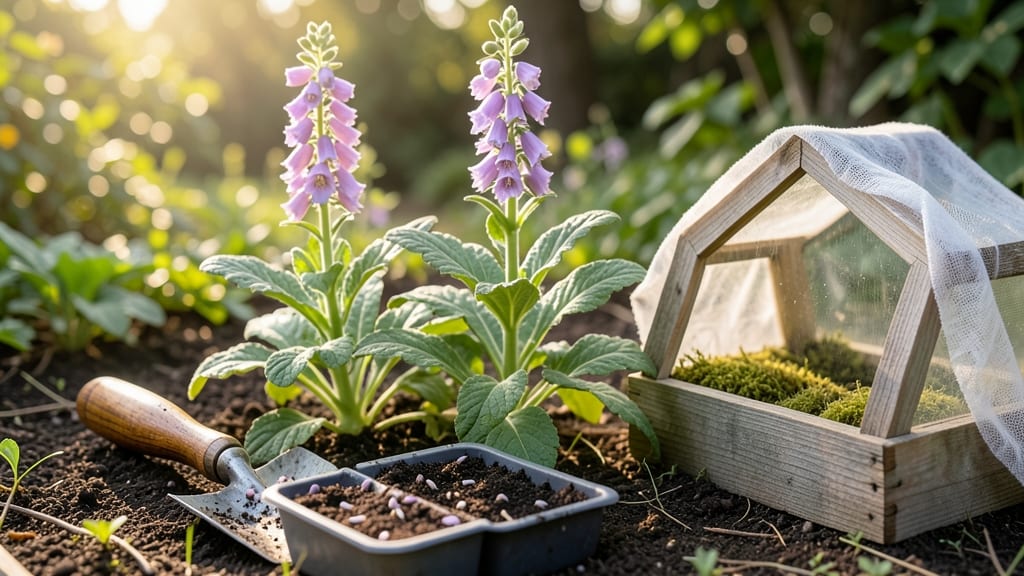
Planting foxglove seeds in Zone 7 at the wrong time could mean watching them freeze before they even sprout—or worse, rot from too much moisture when the ground stays damp.
The key to success lies in that narrow window between late summer and early fall, when soil temperatures are just right and frost isn’t lurking around the corner.
If you’ve ever wondered why some gardeners get stunning 🌸 foxglove blooms while others struggle with weak seedlings, timing is the game-changer. Zone 7’s climate demands precision: sow too early, and frost will strike; too late, and your seeds won’t establish roots before winter sets in.
Let’s break down the exact weeks to plant for strong, healthy starts that’ll reward you with those iconic bell-shaped flowers next spring.
You don’t need a green thumb to master this—just a few simple rules about soil prep, moisture, and when to get those seeds in the ground. I’ll walk you through the best 4–6 week window before your first frost, plus how to prep your seeds for Zone 7’s cooler climate.
Ready to set your foxglove up for success?
The secret isn’t just when you plant—it’s how you prepare the seeds and soil to handle Zone 7’s unpredictable shifts. From stratification tricks to avoiding common pitfalls, I’ll share the exact steps to give your foxglove the best possible start. Let’s get those seeds in the ground the right way.

Best planting weeks for foxglove seeds in Zone 7 (with frost risk timeline)
Zone 7’s unpredictable frost dates make timing critical for foxglove seeds (Digitalis purpurea). The ideal window spans late summer to early fall, when soil temps hover between 60°F and 70°F—perfect for germination without frost threats.
For Zone 7, this typically means mid-August through early September, but microclimates (like urban heat islands) may shift your deadline by 2-3 weeks.
Foxglove seeds need 10-12 weeks of growth before winter to survive Zone 7’s first frost (usually mid-October).
Start seeds indoors 8-10 weeks before your last frost date (around early June) for transplanting in early August, or sow directly outdoors in late July to early September for fall blooms the following year.
Here’s how Zone 7’s frost timeline affects your planting:
| Planting Method | Best Weeks in Zone 7 | Soil Temp Requirement | Frost Risk |
|---|---|---|---|
| Indoor Starts | Early June (8-10 weeks before last frost) | 60°F–70°F | Low (indoor control) |
| Direct Outdoor Sowing | Late July–Early September | 65°F–75°F | Moderate (avoid after mid-Sept) |
| Fall Transplanting | Early October (hardy seedlings only) | 50°F–60°F | High (use frost cloth) |
For direct outdoor sowing, aim for late July to early August—this gives seedlings 8-10 weeks to establish roots before Zone 7’s first frost.
If you miss this window, stratify seeds (see next section) and plant in early September, but protect young plants with row covers if nights dip below 40°F.
Zone 7’s microclimates can shift frost dates by weeks. Check your local USDA Plant Hardiness Zone Map for precise adjustments. For example, coastal areas may have 2-3 extra frost-free weeks compared to inland regions. Use a soil thermometer to confirm temps—foxglove seeds won’t germinate below 55°F.
If you’re growing foxglove for cut flowers, prioritize early September sowing. These seedlings will bloom the following late spring to early summer, giving you 6-8 weeks of vibrant, bell-shaped blooms before summer heat sets in.
For wildflower meadows, scatter seeds in late August and let nature take its course.
Pro tip: Mark your foxglove seedlings with biodegradable flags to avoid accidental digging in spring. Foxglove is toxic if ingested, so keep it away from pets and children—especially in high-traffic garden areas.
Remember, foxglove’s second-year blooms are the reward for patience. If you plant too late, you’ll miss the first flush of flowers entirely. But with the right timing, your Zone 7 garden will reward you with towering spikes of purple, pink, or white by next spring. 🌸
Best planting weeks for foxglove seeds in Zone 7 (with frost risk timeline)
In Zone 7, timing is everything for foxglove seeds—plant them too early, and a late frost will wipe out your seedlings. Too late, and they won’t establish strong roots before winter’s chill sets in.
The ideal window for direct sowing outdoors is late summer to early fall, specifically August through mid-September, when soil temperatures remain warm but nights grow cooler.
This aligns with Zone 7’s first frost date, typically around October 15, giving seedlings 6-8 weeks to germinate and grow before winter.
For indoor starts, begin sowing 4–6 weeks before your last frost date (usually mid-March to early April in Zone 7).
This early head start ensures seedlings are robust enough to transplant outdoors by late spring, avoiding the shock of sudden temperature swings. Zone 7’s microclimates—like sheltered garden beds or urban heat islands—can shift frost dates by 1–2 weeks, so monitor local forecasts closely.
Foxglove Planting Timeline for Zone 7
| Method | Best Time to Plant | Soil Temp Requirement | Frost Risk |
|---|---|---|---|
| Direct Outdoor Sowing | Late August – Mid-September | 60–70°F (15–21°C) | Low (6–8 weeks until frost) |
| Indoor Starts | Mid-March – Early April | 65–75°F (18–24°C) | None (protected environment) |
| Transplant Outdoors | Late April – Early May | 50–60°F (10–15°C) | Moderate (watch for late frosts) |
⚠️ Note: Foxglove seeds require light to germinate—never cover them with soil!
If you miss the late summer window, you can still try sowing in early spring (March), but seedlings may struggle to establish before the next growing season. Zone 7’s short frost-free period (about 180 days) means foxglove seeds need to germinate quickly.
For direct sowing, aim for soil temperatures above 60°F (15°C)—use a soil thermometer to check. In cooler microclimates, extend the indoor start timeline by 2–3 weeks to ensure seedlings are large enough for transplanting.
Pro tip: Mark your calendar for September 1 as the last safe date for direct sowing in most of Zone 7.
After this, focus on indoor starts or wait until spring. Foxglove seeds can take 2–4 weeks to germinate, so early planting maximizes their chance to develop a strong root system before winter. Pair this with partial shade placement to protect young seedlings from heat stress in Zone 7’s summer.
For gardeners in Zone 7a (colder), shift planting to early August to avoid early frosts. In Zone 7b (warmer), you can extend sowing to early October.
Always test your soil’s drainage—foxglove hates soggy roots—and amend with compost to improve moisture retention without waterlogging. Mulch lightly after planting to insulate roots from temperature swings.
Remember: Patience is key with foxglove. These biennials won’t bloom until their second year, but proper timing now ensures vibrant flowers in late spring of next year. Start your seeds with confidence—your future garden’s dramatic spires will thank you! 🌸