
Plants
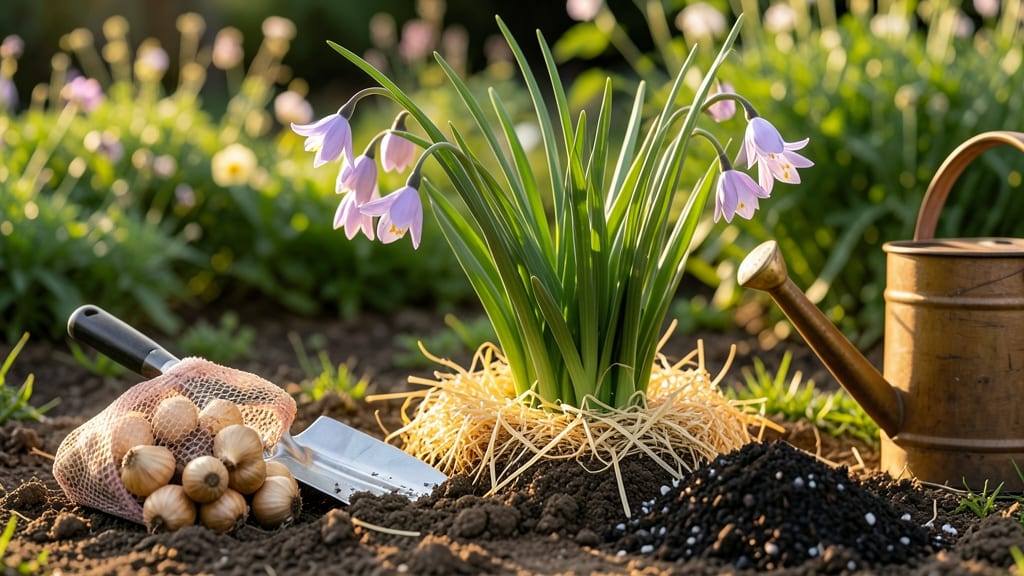
If you’ve ever dreamed of a Melbourne garden bursting with fragrant freesias but hesitated because of the city’s unpredictable autumn weather, the key to success lies in when to plant freesias in Melbourne at the perfect time—when soil temperatures are just right and frost risks fade away.
Melbourne’s USDA Zone 9b climate means freesias can thrive with the right timing, but getting it wrong risks stunted growth or missed blooms. I’ll show you exactly when to plant—typically between March and April—and how to adapt for Melbourne’s microclimates, whether you’re in coastal areas or inland zones.
What makes this timing so critical? Freesias need 6-8 weeks of cool soil to establish roots before winter sets in. Plant too early, and they’ll rot; too late, and you’ll miss the spring bloom window. Let’s break down the ideal window and avoid common mistakes that even experienced gardeners make.
By the end, you’ll know exactly when to tuck those bulbs into the earth for vibrant, frost-free blooms—no guesswork, just stunning results. Ready to transform your garden? Let’s get started.
Ideal Melbourne autumn planting windows for freesias
Melbourne’s mild autumn temperatures create the perfect window for planting freesias, but timing is critical to avoid early frost damage. Unlike spring-planted bulbs, freesias need 6-8 weeks of cool soil (below 18°C) before winter dormancy.
This means your ideal planting window spans late March to early April, when daytime temps hover around 20-22°C and nights dip below 15°C.
Planting too early (February) risks premature sprouting from Melbourne’s lingering summer heat, while waiting until May leaves bulbs vulnerable to first frost (typically mid-August). The 4-6 week buffer ensures roots establish before winter’s chill sets in—critical for freesias, which hate soggy soil and poor drainage.
Melbourne’s microclimates add another layer: coastal areas (like Brighton) can plant 1-2 weeks later thanks to warmer ocean breezes, while inland zones (e.g., Sunbury) should aim for the earlier end of the window to escape colder nights.
Check your local Bureau of Meteorology frost forecast for precise dates.
Soil temperature is your best guide. Use a soil thermometer to confirm temps are consistently below 18°C at 10cm depth—this signals it’s safe to plant. In clay-heavy Melbourne soils, wait for recent rains to soften the ground, but avoid waterlogged conditions, which cause bulb rot.
🌱 Melbourne Freesia Planting Timeline
| Stage | Action | Soil Temp | Melbourne Zone |
|---|---|---|---|
| Late March | Prepare soil: Add compost to heavy clay | 18-22°C | Coastal areas |
| Early April | Plant bulbs 2 inches deep, 3 inches apart | 15-18°C | Inland areas |
| Mid-April | Mulch with straw to retain moisture | 12-15°C | All zones |
| May | Water deeply weekly; avoid wetting foliage | 8-12°C | Frost-prone areas |
| June-July | Reduce watering; bulbs enter dormancy | 5-10°C | All zones |
💡 Pro Tip: Coastal Melbourne (e.g., St Kilda) can extend planting to early May due to milder winters.
For late bloomers, Melbourne’s last-chance planting date is early May, but only in sheltered microclimates (e.g., garden beds near north-facing walls). In exposed areas, bulbs may not survive June frosts.
Test your spot by placing a thermometer in a shallow hole overnight—if temps drop below 5°C, delay planting.
Freesias planted in autumn (vs. spring) produce stronger roots before winter, leading to taller stems and more blooms in spring. This is especially true in Melbourne’s USDA Zone 9b, where winters are mild but unpredictable. Aim for 6-8 weeks before first frost (typically mid-August) to maximize success.
If you miss the autumn window, spring planting (August-September) is possible but requires extra care—use black plastic mulch to warm soil faster and protect from wind. However, autumn-planted freesias will always outperform spring ones in Melbourne’s climate.
Remember: Freesias hate competition. Plant them in full sun (6+ hours daily) with well-draining soil, and avoid areas where lawn grass or weeds steal nutrients.
With the right timing, your garden will reward you with fragrant blooms from September to November—just in time for Melbourne’s spring sunshine.
Ideal Melbourne autumn planting windows for freesias
Melbourne’s autumn months—March and April—are the perfect window to plant freesias. This timing ensures bulbs establish roots before winter, blooming vibrantly in spring without frost damage. The key is planting when soil temperatures drop below 20°C (68°F) but before the first frost risk (mid-August in most areas).
Coastal Melbourne areas like Brighton or St Kilda can plant slightly later due to milder microclimates, while inland regions like Melton or Bendigo should aim for earlier planting. Always check your local frost dates—Melbourne’s unpredictable weather means a 4-6 week planting window is safest.
Soil temperature is critical: freesias need soil at 15-18°C (59-64°F) to sprout. Use a soil thermometer or wait until afternoon temperatures consistently drop below 25°C (77°F). This usually aligns with late March to early April.
| Timing Factor | Melbourne Guideline | Action |
|---|---|---|
| Soil Temperature | 15-18°C (59-64°F) | Plant when afternoons drop below 25°C |
| Coastal Areas | Late March | Wait 1-2 weeks longer |
| Inland Areas | Early April | Plant by mid-March |
| Frost Risk | Mid-August | Avoid planting after this date |
For last-chance planting, freesias can tolerate light frosts (-2°C/28°F) if mulched heavily. However, late April plantings risk stunted growth or no blooms. Use frost blankets if you must plant later, but aim for early April as your cutoff.
Melbourne’s clay-heavy soils can delay planting if wet. Test soil moisture—if it feels sticky when squeezed, wait 1-2 weeks. Amend with compost or sand to improve drainage before planting. This ensures bulbs don’t rot during Melbourne’s autumn rains.
Pro tip: Plant freesias in well-draining containers if your garden soil is heavy. This gives you 2-3 extra weeks of planting flexibility while preventing waterlogged roots. Containers also protect bulbs from soil heaving during freeze-thaw cycles.