
Trees
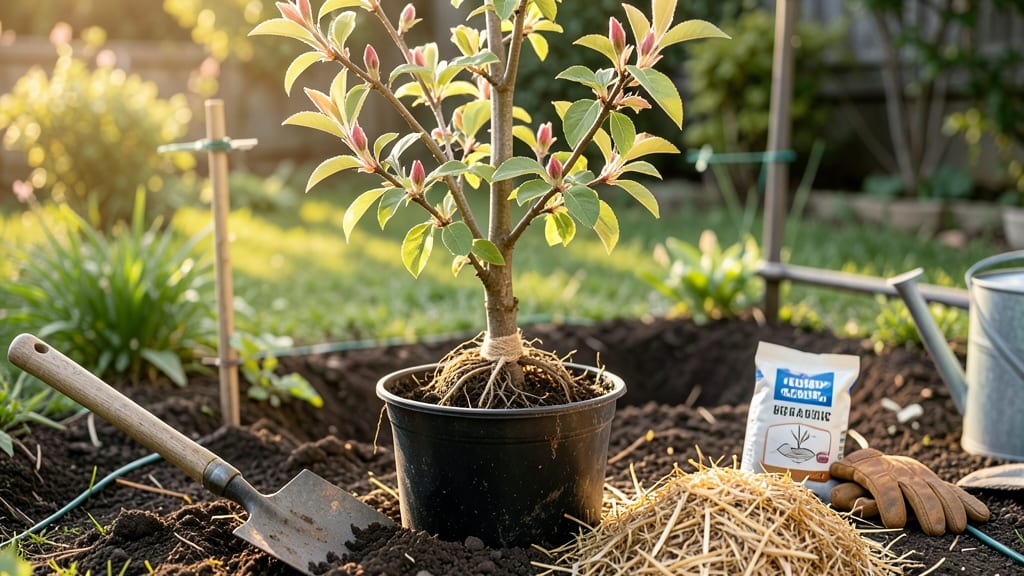
Timing your fruit tree 🍎 planting in Kentucky can make or break your harvest—get it wrong, and you risk stunted growth or even lost trees.
The ideal window for most varieties falls between late winter and early spring, when the soil is workable but still cool, giving roots time to establish before summer heat arrives.
Kentucky’s 6a-7b climate means you’ve got about 60 days between the last frost (typically mid-March) and when soil warms up enough for planting.
Bare-root trees, for example, need to go in the ground as soon as they arrive, while container-grown varieties give you a little more flexibility—but rushing them in hot weather is a recipe for stress.
Whether you’re dreaming of juicy peaches or crisp apples, understanding your tree’s chill requirements is half the battle. Some varieties need 300+ hours of cold to set fruit, while others thrive with less—so choosing the right type for your zone is just as critical as the planting date.
I’ll walk you through the best months for each variety, pro tips for fall vs. spring planting, and how to prep your soil for maximum success. Let’s get those roots growing the right way!
Best months to plant fruit trees in Kentucky by chill zone
Kentucky’s USDA zones 6a-7b mean fruit trees need precise timing to thrive—plant too early, and they’ll struggle with cold; too late, and summer heat stress sets in. The ideal window is late winter to early spring, when soil temperatures hover around 40-50°F and trees emerge from dormancy.
For most varieties like apple and peach, this means February through April, but chill requirements (more on those later!) can shift this timeline slightly.
Local last frost dates in Kentucky typically land around mid-March, but microclimates vary—mountain regions may see frost later, while western areas warm faster.
Planting 2-3 weeks before the average last frost gives roots time to establish without competing with summer’s heat. Bare-root trees (common in nurseries) should go in the ground as soon as soil is workable, while container-grown trees can handle slightly later transplanting.
Here’s the breakdown by tree type and USDA zone, tailored to Kentucky’s climate. Pay special attention to soil temperature—cold soil can stunt root growth, while warm soil (above 60°F) stresses newly planted trees.
For container-grown trees, you’ve got a little more flexibility—plant anytime soil isn’t frozen, but aim for early spring to avoid heat stress.
If you’re in Zone 7b (southern KY), some varieties like figs or persimmons can even handle late spring planting, but stick to February-March for traditional fruit trees.
Pro tip: Kentucky’s spring rains can delay planting, but don’t let soggy soil deter you. Amend clay-heavy soil with compost or sand to improve drainage—poor drainage is a leading cause of young tree failure. Test your soil’s pH (6.0–7.0 ideal) before planting, and adjust with lime or sulfur if needed.
If you miss the spring window, fall planting (October–November) is a viable backup, but only for bare-root trees. The key is getting roots established 6–8 weeks before the first hard frost (usually mid-November in KY). Fall-planted trees need consistent winter watering if snow cover is light.
One common mistake? Planting in summer heat. Trees planted after June 1 struggle to establish roots before dormancy, leading to weak growth. Save summer for transplanting established trees or
Best months to plant fruit trees in Kentucky by chill zone
Kentucky’s USDA zones 6a-7b create a unique window for planting fruit trees, where cool soil temperatures and dormant roots give young trees their best shot at survival.
The ideal planting window spans from late winter through early spring, but timing varies slightly depending on whether you’re planting bare-root or container-grown trees.
For bare-root trees, which are most commonly sold in winter, you’ll want to plant them as soon as the ground is workable—typically February to early March—before buds begin to swell.
Container-grown trees, on the other hand, offer a bit more flexibility and can be planted through April, provided you keep them well-watered during establishment.
Here’s a quick breakdown of the best months for planting by variety, based on Kentucky’s climate and typical last frost dates around mid-March:
While March and April are the sweet spots for most fruit trees in Kentucky, don’t overlook the benefits of fall planting (late October to November) for certain varieties. Fall-planted trees have time to establish roots before winter dormancy, giving them a head start in spring.
Just be sure to mulch heavily to protect roots from freeze-thaw cycles.
One common mistake I see is planting too close to the last frost date. If you plant in late April, your tree might still be struggling to establish roots when summer heat arrives.
Aim to get those roots down at least 4-6 weeks before the last frost for the best results.
For container-grown trees, you can push planting into May as long as you provide consistent watering and shade during the hottest part of the day. Just remember, the earlier you plant, the faster your tree will recover from transplant shock and start producing fruit.