
Plants
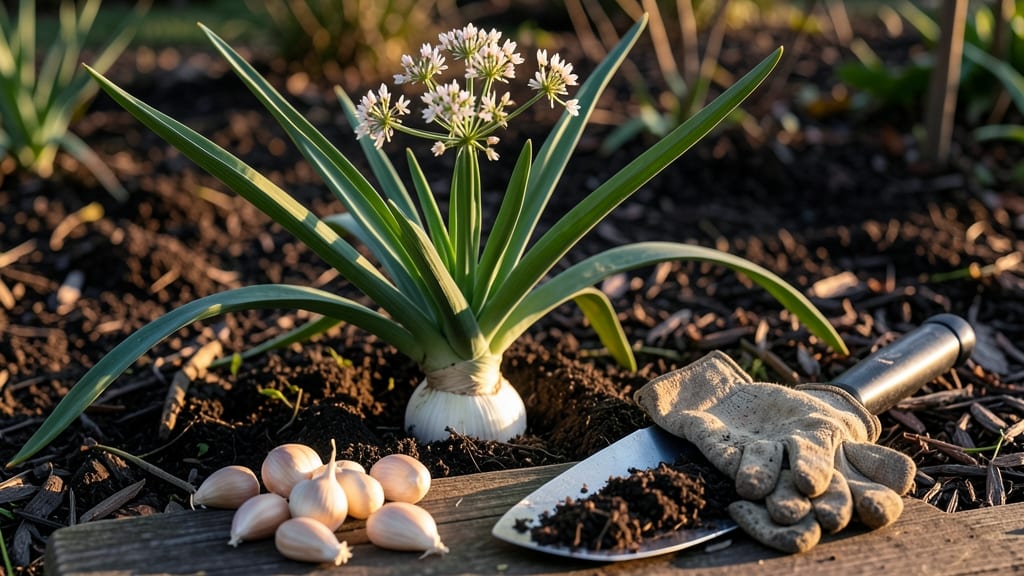
Timing your garlic planting in New York isn't just about the calendar—it's about beating the first frost while giving those 🧄 bulbs enough time to root before winter sets in. Plant too early, and your crop might bolt; too late, and the cold will stall growth entirely.
With hardneck and softneck varieties each needing slightly different windows, knowing the exact fall dates for your specific zone could mean the difference between a bumper harvest and disappointment.
For most of New York, including USDA Zone 6a, the sweet spot falls between mid-October and early November. But here's the catch: urban areas like NYC and the Hudson Valley might need adjustments due to microclimates, while Upstate regions can push the window slightly later.
Whether you're growing hardneck varieties for those prized rock-hard cloves or softnecks for storage, getting the timing right is the first step to success.
What you'll discover in this guide are the precise planting windows tailored to New York's diverse climate, plus soil prep secrets that make all the difference.
We'll cover how to read your local frost dates, adjust for your specific microclimate, and avoid the most common mistakes that derail even the most eager gardeners. Let's get those cloves in the ground at the perfect moment.
The key to a thriving garlic harvest starts now—with the right timing, soil conditions, and a little local know-how. By the end, you'll know exactly when to plant for bulbs that are plump, flavorful, and ready by next summer. Ready to transform your garden? Let's dig in.
Optimal fall planting dates for garlic in New York by variety
New York’s USDA zones 4-7 create a tricky balance for garlic planting—too early, and your crop bolts; too late, and winter frost kills cloves before roots establish. The key?
Planting 4-6 weeks before the ground freezes, but timing varies drastically between hardneck (like Rocks or German Red) and softneck (like Silverskin or Creole) varieties. Let’s break it down by region and variety to avoid common pitfalls.
For Upstate New York (Zones 4-5), where winters are harsh, aim for mid-October to early November. This gives hardneck varieties enough time to develop roots before the ground freezes—typically around November 15 in areas like Albany or Syracuse.
Softneck garlic, which matures slower, can stretch planting until late November but risks smaller bulbs if planted too late.
In NYC and Long Island (Zones 6-7), milder microclimates push planting windows later. Urban gardeners in Brooklyn or Queens can plant hardneck garlic until early December, while softneck varieties thrive with a late November start.
Coastal areas like Montauk may even squeeze in a January planting for a summer harvest, but this is risky without row covers.
Soil temperature is your best gauge: garlic cloves need 40-50°F soil to sprout. Use a soil thermometer to confirm—planting when temps drop below 40°F stresses cloves. In Adirondack regions (Zone 4), this often means planting by October 15, while Buffalo (Zone 6) gardeners have until November 1.
Here’s the critical difference between hardneck and softneck varieties in New York:
Pro tip: Adjust for microclimates. A south-facing garden bed in NYC might stay warm enough for a December planting, while a north-facing spot in the Catskills could freeze by November 1. Always err on the earlier side—garlic roots grow slowly in cold soil.
Mulching with straw (4-6 inches) after planting insulates cloves and extends the window by 1-2 weeks. In Zone 4, this can push hardneck planting to November 15 without risk. Just avoid mulching too early—bare soil warms faster in fall, helping cloves sprout before dormancy.
Hardneck varieties like Music or Chesnok Red produce scape shoots in spring, signaling they’re thriving. Softneck varieties won’t scape but focus on bulb size. If you’re in Zone 7 (e.g., Rochester), prioritize hardnecks for larger bulbs and earlier harvests—they mature 2-3 weeks faster than softnecks.
Remember: No spring planting in New York. Garlic is a cool-season crop that bolts in heat. If you miss fall, wait until next year—your harvest will suffer if you try to plant in March or April. Timing is everything, and New York’s climate demands precision.
Optimal fall planting dates for garlic in New York by variety
New York’s USDA zones 4–7 create a tricky balance for garlic growers—plant too early, and your crop bolts; too late, and winter kills the roots before they establish. The key is planting 4–6 weeks before the ground freezes, but hardneck and softneck varieties have slightly different sweet spots.
For most of New York, that means mid-October to early November, but regional microclimates shift those dates by weeks.
Hardneck varieties like ‘German Red’ or ‘Music’ thrive in colder zones (4–6) and need cold stratification to form bulbs. Softnecks like ‘Silverskin’ or ‘Creole’ tolerate milder winters (6–7) and can handle later plantings. NYC’s urban heat island effect may push your ideal window 1–2 weeks later than Upstate areas.
Here’s how to match your variety to New York’s frost-free windows:
For Upstate New York (zones 4–5), aim to plant by October 15th—any later risks poor root establishment before winter. In NYC or Long Island (zones 6–7), you can stretch until November 1st, but avoid planting after the first frost.
Check your local first frost date (typically October 15th in most areas) and plant 6 weeks prior.
Pro tip: Use a soil thermometer to confirm temps are below 40°F but not yet frozen—this is your ideal planting trigger. Hardnecks need vernalization (cold exposure), while softnecks are more forgiving. Mulch with straw 4–6 inches deep after planting to insulate roots through winter.
Remember, garlic grows best with 6+ hours of sun daily, so choose a south-facing bed if your yard has limited sunlight. In shady spots, prioritize softneck varieties, which are slightly more adaptable.