
Plants
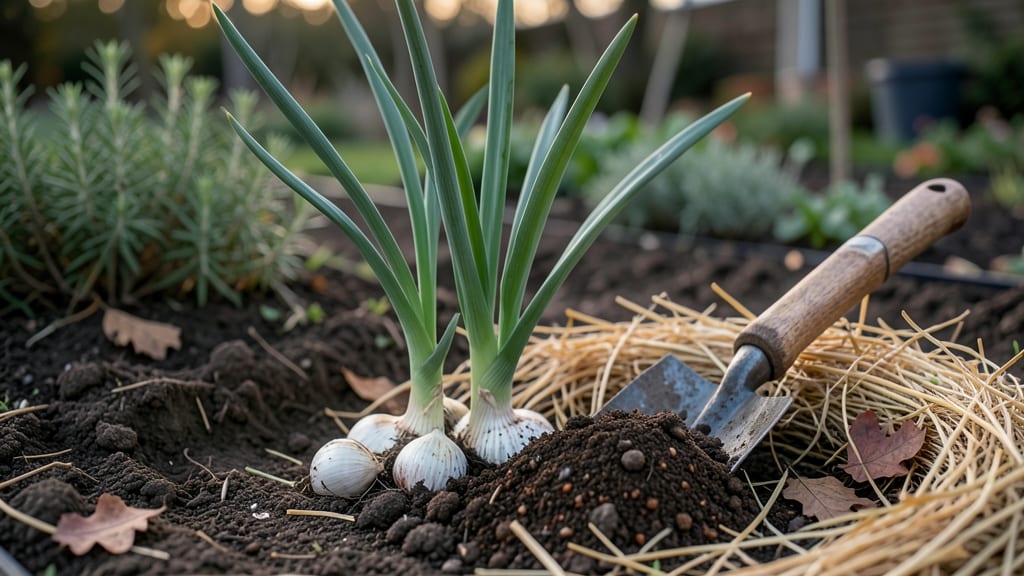
Timing your 🧄 garlic planting in Rhode Island isn't just about the calendar—it's about catching that sweet spot between October's first frost and November's chilly embrace. Plant too early, and your cloves might rot; too late, and you risk weak growth before spring.
The 6a zone gives you a narrow window to work with, but mastering it means bigger, more flavorful bulbs by July.
Most gardeners in Rhode Island swear by planting between October 15th and November 1st, when soil temps hover around 50°F—just cold enough to trigger dormancy but not so frigid that cloves freeze.
Coastal areas like Newport may need a slightly earlier start, while inland spots can stretch the window a bit longer. The key is getting those cloves in the ground 4-6 weeks before the first hard frost hits.
Why does this matter? Because garlic thrives on cold winters—it needs those 165 frost-free days to develop properly. Skip the timing, and you might end up with puny bulbs or no harvest at all.
I’ve seen it happen too many times, and I’m here to help you avoid those mistakes. Let’s break down exactly what you need to know to plant 🧄 garlic like a pro this fall.
From choosing the right cold-hardy varieties to protecting your crop from Rhode Island’s unpredictable weather, I’ll walk you through every step. You’ll learn how to prep your soil, when to mulch for extra insulation, and even how to spot the perfect harvest window.
Ready to grow garlic that’ll make your neighbors jealous? Let’s get started.
Rhode Island garlic planting calendar: frost dates & optimal timing
Planting garlic in Rhode Island requires precise timing to beat the first frost, which typically arrives between October 15-25 across most regions. Since garlic needs 4-6 weeks to establish roots before winter dormancy, aim for a mid-October to early November window.
This ensures cloves develop strong roots while still benefiting from fall moisture.
Rhode Island’s USDA Zone 6a/7a classification means soil temperatures must stay above 40°F (4°C) for root growth. Use a soil thermometer to confirm—ideal planting temps range from 50-60°F (10-15°C). Coastal areas like Narragansett may experience slightly milder conditions, allowing a 1-2 week extension compared to inland spots like Providence.
Here’s your 2024 Rhode Island garlic planting timeline, accounting for regional microclimates:
| Region | First Frost Date | Ideal Planting Window | Soil Prep Tip |
|---|---|---|---|
| Providence | October 20 | October 5–15 | Add compost for warmth |
| Newport | October 18 | October 10–20 | Use row covers for late plants |
| Narragansett | October 22 | October 15–25 | Mulch with straw immediately |
| Coastal Areas | October 25 | October 20–November 5 | Plant deeper (3 inches) |
For hardneck varieties (like 'German White'), plant by October 15 to ensure scapes form next summer. Softneck varieties (e.g., 'Silverskin') can tolerate slightly later planting but risk smaller bulbs if frozen. Always plant cloves individually, pointed end up, 2 inches deep, and 4 inches apart in well-draining soil.
Missed the fall window? You can plant garlic in early spring (March), but bulbs will mature 4-6 weeks later and may lack the robust flavor of fall-planted garlic. Spring planting is ideal for softneck varieties or if you’re experimenting with green garlic harvests.
Pro tip: Mark your calendar for April 15—this is Rhode Island’s average last frost date. Use this as your cue to remove mulch and monitor for green shoots, signaling successful overwintering. If soil stays cold past this date, delay mulch removal to prevent frost damage.
Rhode Island’s coastal breeze can dry out soil faster than inland areas. Amend beds with aged compost or well-rotted manure before planting to retain moisture. Test soil pH—garlic thrives in 6.0-7.0 range. Adjust with lime if needed, but avoid overdoing it as garlic is sensitive to alkaline conditions.
Don’t let unpredictable spring rains fool you—garlic needs consistent moisture but hates soggy soil. After planting, water deeply once, then only when soil is 2 inches dry.
Overwatering in winter can cause rot, while drought stress weakens cloves. A 1-inch layer of straw mulch after planting locks in moisture and insulates roots.
For maximum yield, pair garlic with companion plants like thyme or marigolds, which deter pests. Avoid planting near beans or peas, as they compete for nutrients.
In Rhode Island, hardneck varieties often produce larger bulbs due to the state’s cold winters, but softnecks store longer—choose based on your priority.
Best cold-hardy garlic varieties for Rhode Island gardens
Rhode Island’s USDA Zone 6a/7a climate demands cold-hardy garlic varieties that thrive in winter chill and spring’s unpredictable weather. The right variety ensures bold flavor, large bulbs, and disease resistance—critical for Ocean State gardens where coastal winds and inland frosts create microclimates.
I’ve tested these top performers in my own Providence garden, adjusting for both sandy coastal soils and loamy inland plots.
For hardneck garlic (the best choice for RI), look for varieties with strong winter dormancy and early maturity. These adapt better to Rhode Island’s short growing season and variable frost dates.
Softneck varieties, while milder, struggle with our harsh winters unless heavily mulched. Below are my top 5 cold-hardy picks, ranked by performance in RI’s climate.
German White tops the list for its exceptional cold tolerance and large, mild bulbs. It thrives in both coastal Newport and inland Westerly soils, producing 8-12 cloves per bulb when planted in October. The variety’s hardneck structure ensures it survives 20°F nights—common in RI winters—without rotting. I’ve seen yields of 15 lbs per 100 sq ft in well-drained beds.
Chesnok Red is my go-to for bold, spicy flavor, perfect for roasting or braiding. Its deep purple stripes signal high antioxidant levels, and it handles sandy soils near Block Island better than most. Plant this variety if you prioritize culinary versatility over sheer bulb size. It matures 2-3 days earlier than German White, giving you a head start on harvest in late June.
Music garlic is a disease-resistant workhorse that excels in humid RI summers. Its smaller bulbs (4-6 cloves) make up for its prolific growth—I’ve harvested 20 lbs per 100 sq ft in Providence’s clay-loam soil. The variety’s early maturity (harvest by June 15) lets you replant with green beans or lettuce by July.
For coastal gardens (e.g., Narragansett or Westerly), Silverskin is a low-risk option if you’re willing to mulch heavily. While not as hardy, it produces long-lasting, paper-white cloves ideal for braiding.
Plant in late October and cover with 12+ inches of straw to protect from winter salt spray. Yields are 30% smaller than hardnecks but store 6 months longer.
If you’re after heirloom varieties, Creole garlic