
Plants
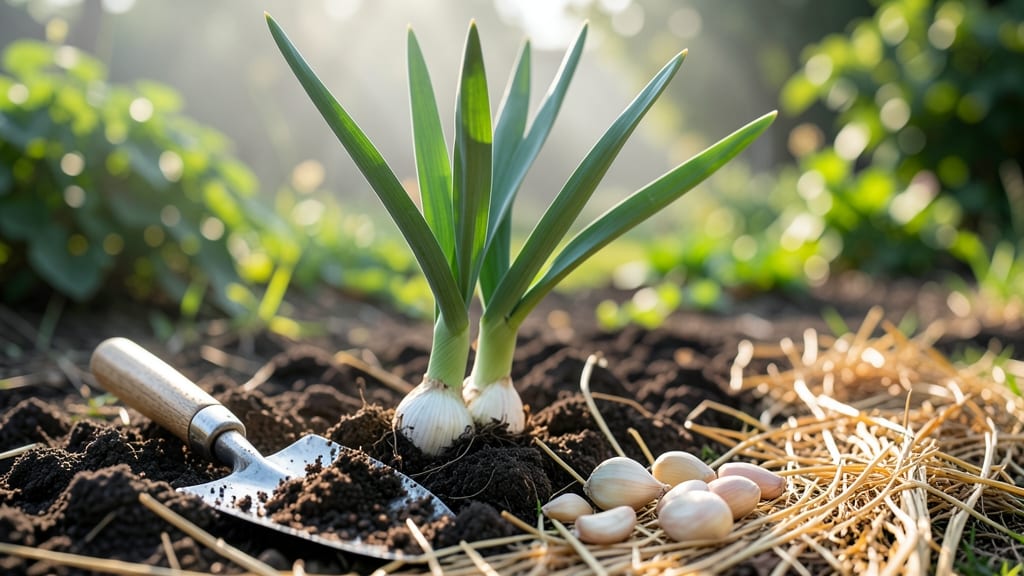
Planting garlic in Vermont at the wrong time means sacrificing those juicy, flavorful cloves you crave—especially when you're just 6 months away from harvest. The secret to zero-bolt, high-yield garlic lies in that narrow fall window between mid-October and early November, when the soil cools but the ground stays workable.
For Vermont gardeners in zones 5a-6b, timing isn’t just about dates—it’s about catching the sweet spot before the first hard frost locks the soil. Too early, and your cloves may sprout prematurely; too late, and they’ll rot before winter sets in.
I’ll walk you through the exact 4-week window that works for both hardneck and softneck varieties, plus how to adjust for Vermont’s unpredictable microclimates.
Why does this matter? Because a properly chilled garlic bulb in Vermont’s climate develops stronger roots and bigger bulbs—no guesswork, just reliable results.
Whether you’re a seasoned gardener or planting your first 🧄, these insights will help you avoid the common mistakes that lead to wasted cloves and disappointing harvests.
Let’s break down the science behind Vermont’s ideal planting dates, soil prep tricks, and how to time it perfectly so you’re harvesting plump, flavorful garlic by next summer. Ready to grow garlic that’ll make your kitchen the envy of the neighborhood?
Optimal fall planting dates for Vermont garlic (with hardiness Zone adjustments)
Vermont’s cool climate and short growing season demand precise timing for garlic planting. Fall is the ideal window—planting too early risks rot, while waiting too late means insufficient chilling time.
For USDA Zones 3-5 (covering most of Vermont), aim for mid-October to early November, when soil temps drop to 40-50°F.
The first frost date (typically mid-October) isn’t your cue—plant 4-6 weeks before the ground freezes. This ensures garlic establishes roots but avoids winter heaving. In northern Vermont (Zone 3), start by October 1st, while southern regions (Zone 5) can wait until November 1st.
Moon phase matters too! Plant during the waning moon (after full moon) for stronger root development. Check lunar calendars for Vermont-specific planting dates—some years, the October 20th full moon aligns perfectly with ideal soil temps.
Soil temperature is your true guide. Use a soil thermometer to confirm 40-50°F at 4-inch depth. If temps drop below 32°F, garlic may freeze—cover with straw mulch (3-4 inches) to insulate.
Hardneck vs. softneck varieties have slight timing differences. Hardnecks (like German White) thrive with 60+ days of cold, so plant them earlier. Softnecks (e.g., Silverskin) need 40+ days of chill—plant them 1-2 weeks later.
Missed the fall window? Spring planting is possible but riskier. Plant early March (Zone 3) or late March (Zone 5) for a smaller harvest. Spring garlic lacks full chilling, often producing bolted (flowering) cloves instead of bulbs.
Pro tip: Test your soil in early fall. Vermont’s acidic, clay-heavy soils benefit from compost or aged manure mixed in 6-8 inches deep. Aim for a pH of 6.0-7.0—garlic hates alkaline conditions.
Local Vermont Extension offices (like UVM’s) track frost dates annually. Call ahead for 2024 updates—some years, early snow shifts planting by 1-2 weeks. Their free soil tests also confirm nutrient levels.
| Zone | Ideal Planting Window | Soil Temp Trigger | Notes |
|---|---|---|---|
| 3 (Northern VT) | October 1–15 | 40–50°F | Earliest zone; use hardnecks |
| 4 (Central VT) | October 15–30 | 40–50°F | Balanced chilling for both types |
| 5 (Southern VT) | November 1–15 | 40–50°F | Later window; softnecks preferred |
🌱 Plant 4-6 weeks before ground freeze
For container gardening, adjust timing 1 week earlier—pots cool faster. Use black plastic pots (absorb heat) and place in south-facing spots to extend the season.
Mark your calendar: November 1st is the absolute deadline for fall planting in Vermont. After that, garlic won’t establish roots before winter. If you’re late, spring planting is your backup—but expect bolting and smaller yields.
Remember: Vermont’s garlic success hinges on two things—timing and soil prep. Nail these, and you’ll harvest plump, flavorful bulbs by July. Miss them, and you’ll be left with wasted cloves and frustrated dreams of garlic festival fame.
5 Critical factors that prevent garlic bolting in Vermont climates
Garlic bolting—when plants prematurely flower and produce seed stalks—is every Vermont gardener’s nightmare. In our short growing season, it turns sweet cloves into bitter, underdeveloped bulbs. But with the right conditions, you can grow zero-bolt garlic every time.
The key lies in understanding Vermont’s unique climate triggers and how they interact with garlic’s growth cycle.
First, Vermont’s cold winters (USDA Zones 3-5) are actually garlic’s best friend. Garlic needs 40-60 days of chilling below 40°F to develop properly. If planted too late in fall, the ground may freeze before garlic gets enough cold exposure, leading to weak bulbs.
Conversely, planting too early risks excessive winter moisture, which can rot cloves before they even sprout.
Here’s the science-backed breakdown of what keeps your garlic from bolting in Vermont’s unpredictable climate:
- Chilling Requirements
- Soil Moisture Balance
- Light Exposure
- Planting Depth
- Variety Selection
Vermont’s short growing season means garlic needs every advantage. Hardneck varieties, like ‘German White’, are bred to handle our cold winters and produce scape stalks (which you can snip for extra flavor). But even the best variety will bolt if planted at the wrong time or in poor soil.
For example, southern Vermont’s milder winters (Zone 5) allow slightly later planting (late October) than northern regions (Zone 3, mid-October).
Pro tip: If you’re unsure about your last frost date, check the Vermont Weather Underground or your local UVM Extension office. They’ll confirm whether your area leans toward early or late fall planting. And remember—bolting isn’t just about temperature.
Even with perfect chilling, nutrient deficiencies or drought stress in spring can trigger premature flowering. A light spring fertilizer (like 10-10-10) in early March gives garlic the boost it needs to focus on bulb development instead of bolting.
By mastering these 5 critical factors, you’ll grow garlic that’s plump, flavorful, and bolt-free—no matter where in Vermont you garden. The secret? Pay attention to the soil temperature, moisture balance, and variety hardiness. Your taste buds (and your neighbors) will thank you.