
Plants
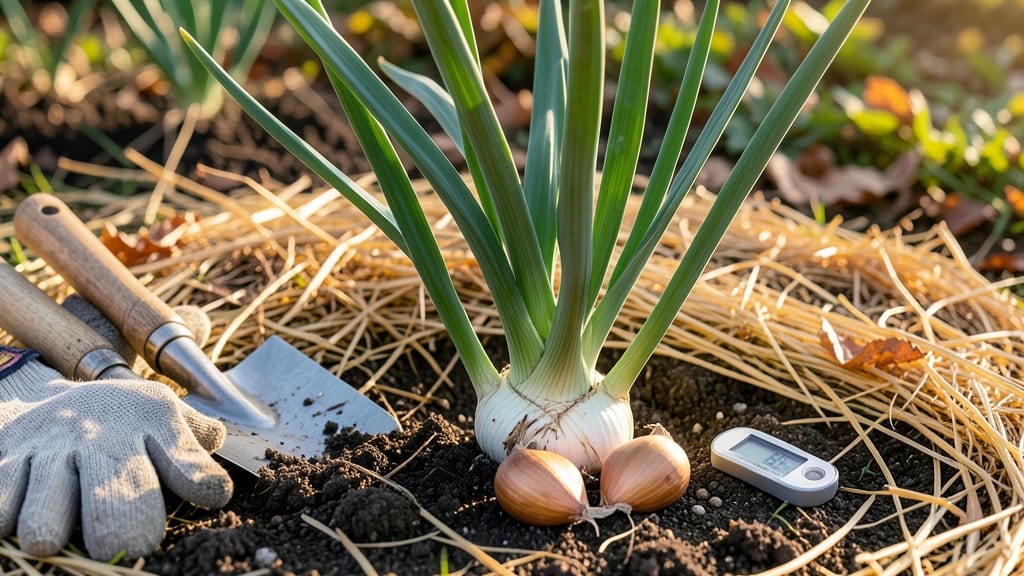
If you're dreaming of a bumper crop of 🧄 hardneck garlic next summer, knowing when to plant garlic in Western NC is the single most important decision you'll make.
The region’s unique climate—where crisp mountain air meets the Piedmont's milder winters—creates the perfect conditions, but planting too early or late can mean the difference between plump bulbs and disappointing harvests.
Most gardeners in zones 6b-7a know the general rule: plant in October or November, but what you might not realize is that even a 2-week shift can affect bulb size and flavor.
The key is understanding how your local microclimate—whether you're in the high country near Asheville or the foothills closer to Charlotte—impacts the ideal window.
In this guide, I'll break down exactly when to plant for maximum yields, how to adjust for elevation changes, and the simple soil prep tricks that make all the difference. You'll learn why October is the magic month and how to spot common mistakes before they derail your harvest.
Whether you're a seasoned gardener or just starting with garlic, these insights will help you grow the biggest, most flavorful bulbs Western NC has to offer—starting with the right timing this fall.
Best planting months for hardneck garlic in Western NC (with exact dates)
Hardneck garlic thrives in Western NC’s USDA Zones 6b-7a, where the cool winters and warm summers create perfect conditions for bulb development. The key to a bountiful harvest lies in planting during the ideal fall window—typically between mid-October and early November.
This timing ensures garlic gets the 60-80 days of cold it needs before spring growth begins.
For most of Western NC, including Asheville and the surrounding mountains, aim to plant by October 15th. In lower elevations like the Piedmont region (closer to Charlotte), you can extend planting until November 1st.
The goal is to get cloves in the ground 4-6 weeks before the first hard frost, which usually hits around mid-November in these areas.
Here’s why timing matters so much: Garlic needs cold vernalization (a period of winter chill) to form bulbs. Planting too late means the garlic won’t get enough cold, resulting in small, weak bulbs or even no harvest at all.
On the flip side, planting too early (like in September) can cause the garlic to sprout and die back before winter sets in, wasting your cloves.
🌱
To check if your local area is ready, use the soil temperature rule: Plant when soil temps drop to 40-50°F at a depth of 4 inches.
In Western NC, this usually aligns with late October, but you can verify using a soil thermometer or local weather reports from the NC State Climate Office.
Pro tip: If you’re unsure about frost dates, use the "10-10-10 rule"—plant by October 10th in the mountains, November 10th in the Piedmont, and 10 weeks before your average last frost. This simple guideline works for 90% of Western NC gardeners.
Once planted, mulch heavily with straw or leaves (4-6 inches) to protect cloves from freeze-thaw cycles and keep soil temps stable. This insulation is critical for preventing heaving (when garlic bulbs push out of the ground and rot) during our winter temperature swings.
Remember, garlic planted in fall will emerge in late winter or early spring, with scapes appearing in May or June. Harvest bulbs when lower leaves turn brown (usually late June to early July), but don’t wait too long—overripe garlic flattens and splits.
🌿
Best planting months for hardneck garlic in Western NC (with exact dates)
Western NC’s USDA Zone 6b-7a climate creates the perfect conditions for growing hardneck garlic, but timing your planting is critical. The ideal window spans from mid-October to early December, allowing bulbs to establish roots before winter dormancy.
Planting too early or late can stunt bulb development or lead to poor yields.
For maximum bulb size, aim to plant garlic 4-6 weeks before the ground freezes. In Western NC, this typically means starting in late October for most regions, with a cutoff around mid-December in warmer microclimates like the Piedmont.
The key is ensuring garlic gets enough cold exposure—40-60 days below 40°F—to trigger bulb formation.
| Planting Window | USDA Zone 6b-7a | Key Considerations |
|---|---|---|
| Late October | Ideal for mountains (e.g., Asheville) | Soil temps: 50-60°F; 6-8 weeks to freeze |
| Mid-November | Best for Piedmont (e.g., Charlotte) | Soil temps: 45-55°F; 4-6 weeks to freeze |
| Early December | Last chance for mild winters | Risk of frost before root establishment |
If you miss the fall window, spring planting is possible but yields will be smaller. For spring, plant in early March when soil temperatures reach 40°F. However, spring-planted garlic lacks the winter chilling required for full bulb development, so it’s best reserved for green garlic or scapes.
Check your local first frost date (typically mid-October in Western NC) and plant garlic 6-8 weeks before that date. Use a soil thermometer to confirm temps are between 40-60°F—this sweet spot ensures roots establish before winter sets in.
In colder mountain regions, aim for the earlier end of the window.
For hardneck varieties like ‘Music’ or ‘Chesnok Red’, which thrive in Western NC, fall planting guarantees larger bulbs. These varieties need the cold to form cloves, so don’t rush—patience pays off with plump, flavorful harvests in late June or early July.
Pro tip: Mark your calendar for October 15th as your target start date. This gives garlic enough time to root before the ground freezes, setting the stage for a bountiful harvest the following summer. 🌱