
Plants
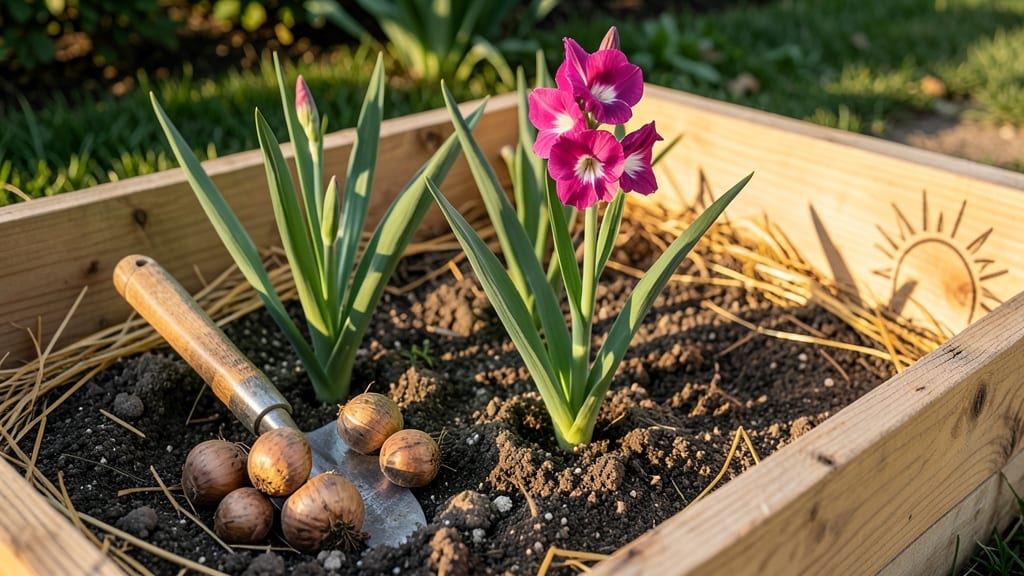
Timing your gladiolus planting in Colorado could mean the difference between stunning summer blooms and wilted disappointment. With USDA zones 5-8 and unpredictable mountain weather, knowing exactly when to plant these 🌸 beauties is critical for success.
Most gardeners assume late spring is the only window, but Colorado’s varied elevations create unique opportunities. Whether you’re in Denver’s 5b zone or Grand Junction’s 6b, planting too early risks frost damage, while waiting too long cuts your bloom season short.
I’ve grown gladiolus for years in Colorado’s climate, and the ideal planting window is April 15 through June 1—after your last frost date. This timing ensures strong root establishment before summer heat arrives, giving you bold, long-lasting flowers from July through September.
Let me show you exactly how to adjust for your specific region, from soil prep to microclimate tricks that’ll make your gladiolus thrive—no matter where in Colorado you garden.
Colorado heat-Zone planting calendar for gladiolus success
Colorado’s USDA zones 4-7 create unique challenges for gladiolus growers. The Front Range (Denver, Colorado Springs) typically has a last frost date of April 15, while the Western Slope (Grand Junction) sees frost-free conditions 2-3 weeks earlier.
High-altitude areas like Boulder County may experience frost until May 1, delaying planting by weeks. Understanding these variations ensures your gladiolus corms establish before summer heat arrives.
For optimal bloom timing, aim to plant gladiolus corms 4-6 weeks before your area’s last frost date. In Denver (Zone 5b), this means mid-to-late April, while Grand Junction (Zone 6b) gardeners can start as early as early April.
Mountain regions should wait until late April or early May to avoid frost damage to emerging shoots.
Soil temperature is another critical factor—gladiolus corms need soil temps above 60°F to sprout consistently. In Colorado’s cooler spring months, this often means waiting until mid-May in high-altitude areas. Use a soil thermometer to confirm readiness before planting.
Avoid planting too early, even in warmer microclimates. Cold soil can stunt root growth, while late spring frosts (common in June in mountain valleys) may kill young plants. The ideal planting window for most Colorado gardeners is April 15 to June 1, with adjustments based on elevation.
Here’s a quick reference for Colorado’s key regions:
| Region | USDA Zone | Last Frost Date | Ideal Planting Time | Notes |
|---|---|---|---|---|
| Denver Metro | 5b | April 15 | April 20 - May 15 | Wait for soil >60°F |
| Colorado Springs | 5b | April 10 | April 15 - May 10 | Drier climate; water deeply |
| Grand Junction | 6b | March 30 | April 1 - April 30 | Hotter summers; plant early |
| Boulder County | 5a | May 1 | May 10 - June 1 | Higher elevation; late frosts |
| Fort Collins | 5a | April 25 | May 1 - May 20 | Cooler nights; mulch heavily |
For extended blooms, consider a staggered planting approach. Plant one-third of your corms in April, another third in mid-May, and the final third in early June. This ensures continuous summer-long color
How to adjust planting times for Colorado’s microclimates
Colorado’s diverse landscapes mean your gladiolus planting timing should vary based on whether you’re gardening in Denver’s urban heat islands, the Rocky Mountain foothills, or the Western Slope’s desert-like conditions.
A 1,000-foot elevation change can shift your last frost date by weeks, so local adjustments are key to avoiding frost damage or missed bloom seasons.
For example, Denver’s USDA Zone 5b typically sees its last frost around April 15, giving you a 4-6 week window to plant gladiolus corms by early May.
Meanwhile, Colorado Springs’ similar zone benefits from slightly warmer microclimates, while Grand Junction’s Zone 6b can safely plant up to June 1 without frost risk.
High-altitude areas like Fort Collins or Boulder may experience late frosts into May, so delay planting until May 15 to ensure root establishment before summer heat. Conversely, Pueblo’s lower elevation (Zone 5a) often warms faster, allowing earlier planting as early as April 1.
🌡️ Colorado Microclimate Planting Adjustments
-
1. Front Range (Denver, Boulder, Fort Collins)
Plant April 15–May 15; wait for soil temps to reach 60°F. -
2. Colorado Springs & Pueblo
Start April 1–April 15; warmer microclimates allow earlier planting. -
3. Western Slope (Grand Junction, Durango)
Extend window to June 1; drier air reduces frost risk. -
4. High Altitude (Above 7,000 ft)
Delay until May 15–June 1; later frosts are common.
To extend your bloom season, try successional planting: plant a second batch of corms in late May for late-summer flowers. Use black plastic mulch to warm soil faster in cooler zones, or straw mulch to retain moisture in dry Western Slope gardens.
These tricks help you beat Colorado’s short growing season and enjoy gladiolus blooms from July through September.
Pro tip: Check your local CoCoRaHS weather station for real-time frost data—Colorado’s mountain valleys can be 10°F colder than nearby plains, making precise timing essential. With these adjustments, your gladiolus will thrive regardless of where you garden in the Centennial State.
🌱