
Plants
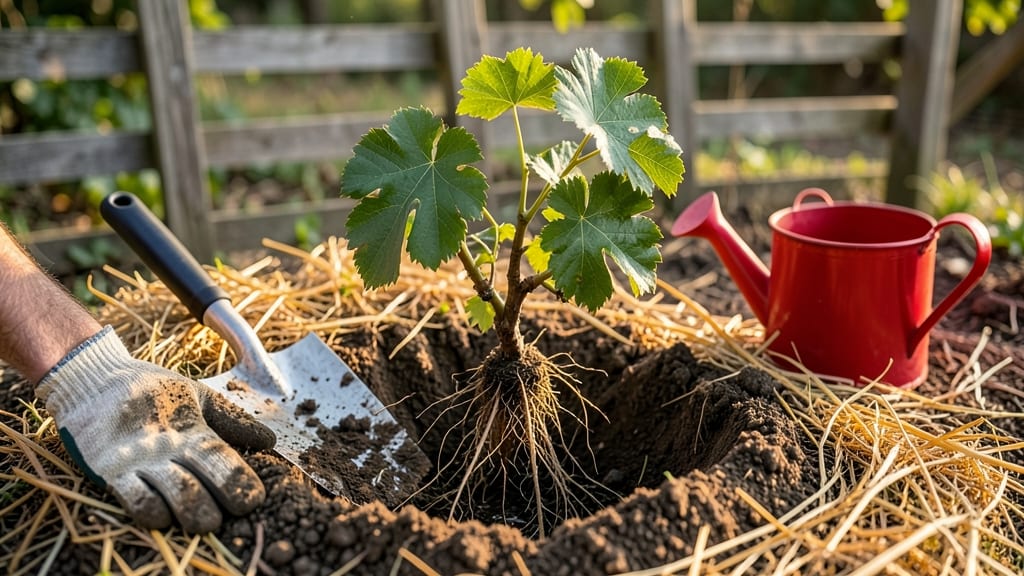
Timing your 🍇 grape planting in Kentucky isn’t just about picking a month—it’s about matching your variety’s chill-hour needs with the state’s unpredictable frost patterns. Get it wrong, and you might end up with weak vines or no harvest at all.
But here’s the good news: Kentucky’s USDA Zone 6a climate actually works beautifully for grapes if you plant at the right time.
Most gardeners assume spring is the only option, but fall planting gives your 🍇 grapes a head start on root establishment before winter. The key is understanding when to put bare-root vines in the ground—typically between September and early April—while avoiding late frosts that can damage tender new growth.
I’ll walk you through the exact window that works best for Kentucky’s climate.
You’ll also discover how to choose varieties that thrive in your chill-hour zone, from cold-hardy Norton grapes to more delicate wine varieties. With the right timing and preparation, you can turn Kentucky’s 165 frost-free days into a reliable harvest season. Let’s get your vineyard off to the best possible start.
The best part? Once you master this, you’ll know exactly when to plant for maximum yield and disease resistance. No more guesswork—just a thriving 🍇 grapevine ready for late summer harvests. Ready to dive into the details?
Kentucky’s frost-free dates and chill-hour zones: the perfect planting window
Kentucky spans USDA Hardiness Zones 5b through 7a, meaning its chill-hour requirements (the number of hours below 45°F needed for dormancy) vary dramatically by region. Northern counties like Paducah average 1,000+ chill hours, while southern areas like Bowling Green often see just 500-700 hours.
This mismatch explains why Norton grapes (a Kentucky native) thrive in the north but struggle in the south.
To pinpoint your optimal planting window, focus on two critical dates: your last spring frost (typically April 15 in most of Kentucky) and your first fall frost (around November 1).
Planting too early risks frost damage, while planting too late may prevent vines from establishing roots before winter. The ideal window is October through March, when vines are dormant and resilient.
Here’s how chill hours dictate your choices: High-chill varieties (800+ hours), like Concord or Niagara, are perfect for northern Kentucky but may fail to fruit in southern zones.
Meanwhile, low-chill varieties (500-700 hours), such as Traminette or Vignoles, are better suited for warmer microclimates. Always check the chill-hour requirements of your chosen variety before planting.
| Zone | Avg. Chill Hours | Last Frost | First Frost | Best Planting Window |
|---|---|---|---|---|
| 5b (Northern KY) | 1,000+ | April 10 | October 25 | October–March |
| 6a (Central KY) | 700-900 | April 15 | November 1 | September–March |
| 7a (Southern KY) | 500-700 | April 20 | November 10 | October–February |
If you’re in Zone 6a or 7a, prioritize low-chill varieties like Traminette or Vignoles, which thrive with 500-700 chill hours. For Zone 5b, high-chill varieties such as Norton or Cynthiana are ideal.
Pro tip: Use a chill-hour calculator (available from local extension offices) to fine-tune your selection based on your exact microclimate.
Timing isn’t just about frost—it’s also about soil temperature. Plant when soil temps are below 60°F to prevent root stress. In Kentucky, this typically aligns with October or early March.
Avoid spring planting after buds swell, as new growth is vulnerable to late frosts. For example, a March 15 planting in Louisville risks frost damage if temperatures dip below freezing.
For wine grapes, like Chardonnay or Cabernet Franc, aim for 800+ chill hours and plant in northern Kentucky. These varieties need cold winters to set buds properly.
In contrast, table grapes, such as Concord or Niagara, are more adaptable but still benefit from 600+ chill hours. Always verify the chill-hour range of your chosen variety against your local climate data.
Kentucky’s humidity and disease pressure add another layer of complexity. Planting too late in the season (e.g., April or May) can delay vine establishment, making them more susceptible to powdery mildew or black rot.
To mitigate risks, choose disease-resistant varieties and plant in well-drained, sunny locations with 6+ hours of sunlight daily. A south-facing slope can also extend your growing season by 2-3 weeks.
Don’t overlook trellis setup as part of your planting timeline. Installing a trellis in early spring (before buds break) gives vines structural support and improves airflow. In Kentucky, kniffin trellises or high-wire systems work well for most varieties.
Plan to train vines onto the trellis within 4-6 weeks of planting to encourage upward growth and reduce disease risk.
Finally, account for local frost pockets. Valleys and low-lying areas in Kentucky can experience 5-10°F colder temps than surrounding regions. If you’re planting in a frost-prone area, opt for earlier-maturing varieties or use row covers
Step-by-step planting calendar: when to order bare-root vines and prepare soil
Kentucky’s cool fall and early spring windows are your best bets for planting bare-root grape vines. These periods give roots time to establish before summer heat or winter freeze stress sets in.
For most of Kentucky’s USDA zones 5b-7a, aim to plant between mid-September and early April, avoiding the frost-prone May when new growth is vulnerable.
Ordering bare-root vines 6-8 weeks before planting is critical. Nurseries ship dormant vines in late winter (February-March) or early fall (September-October). Kentucky’s last spring frost typically arrives around April 15, so don’t delay planting after that date.
For fall planting, complete it by mid-October to allow roots to anchor before winter dormancy.
- 6-8 weeks before planting: Order bare-root vines from reputable nurseries (e.g., Norton or Cynthiana for Kentucky).
- 4 weeks before: Test soil pH (6.0-7.0) and amend with compost or lime if needed.
- 2 weeks before: Install trellis system (4-6 ft tall) and dig planting holes twice as wide as root balls.
- Planting day: Soak roots in water for 1-2 hours before planting. Space vines 6-10 ft apart.
- First 2 weeks: Water deeply every 3-4 days to encourage root growth.
- First year: Prune to 2-3 buds per arm to establish structure.
Kentucky’s humid climate demands extra attention to soil drainage. Amend heavy clay soils with sand or organic matter to prevent root rot. A slightly acidic to neutral pH (6.0-7.0) is ideal for most grape varieties.
For Norton grapes, which thrive in Kentucky, add phosphorus-rich fertilizer at planting to support root development.
Timing your post-planting care is just as critical as planting itself. After establishing your vines, apply a 2-3 inch mulch layer (straw or wood chips) to retain moisture and suppress weeds.
In Kentucky’s hot summers, mulch also helps regulate soil temperature. Avoid overwatering—deep, infrequent watering (every 7-10 days) encourages deep root growth.
Watch for late spring frosts, which can damage new shoots. Use frost cloth or a row cover if frost is forecasted in April-May. Kentucky’s variable microclimates mean urban areas may experience 2-3 weeks earlier last frost dates than rural zones.
Check local frost-free date maps to fine-tune your planting schedule.
Remember, fall-planted vines often outperform spring-planted ones in Kentucky’s climate. They establish roots before summer heat stress and enter winter with a stronger foundation. Start your grape-growing journey early—order vines now and prepare your soil for a reliable harvest next season! 🍇