
Plants
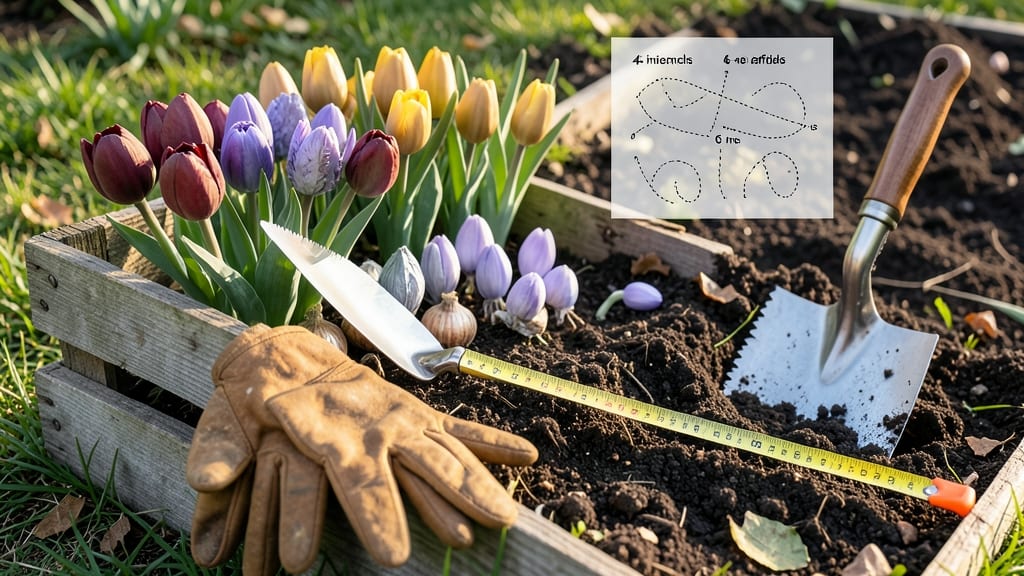
If you're wondering when to plant bulbs in Michigan in spring, timing is everything—especially when Michigan's unpredictable weather can turn a perfect garden plan into a soggy mess.
The key is planting after the soil warms enough to work but before the last frost hits, which varies from mid-April in southern Michigan to early May in the north.
Spring-planted bulbs like 🌷 tulips and daffodils need a balance: too early, and they’ll rot in cold soil; too late, and they won’t bloom before winter. Michigan’s Zone 5-6 climate means you’ll need to adjust based on your region—whether you’re in 5a’s colder north or 6b’s milder south.
Here’s the game-changer: aim for late March to early April when soil temps hit 50°F, but always check your local frost dates. This schedule ensures your bulbs get the jumpstart they need for vibrant spring blooms.
I’ll break down the exact week-by-week schedule, including soil prep tips and the best cold-hardy varieties for Michigan gardens. Let’s get those bulbs in the ground the right way!
Michigan’s exact week-by-week bulb planting schedule by variety
Spring bulb planting in Michigan isn’t just about waiting for warmer weather—it’s about soil temperature and frost dates. Most gardeners focus on fall planting, but spring offers a second chance for late-blooming varieties like tulips and daffodils that missed their fall window.
The key is planting when the ground thaws enough to work but before active root growth begins.
Michigan’s USDA Zones 5-6 mean your last frost typically arrives between mid-April (southern MI) and early May (northern MI). For spring planting, aim to get bulbs in the ground 4-6 weeks before your last frost, usually by March 15-April 1.
This gives roots time to establish before summer heat arrives.
🌱 Pro Tip: Test soil readiness by pushing a soil thermometer into the ground—plant when temps hit 50°F (10°C) at 4-inch depth. In clay-heavy Michigan soils, this often means waiting until late March in northern regions.
| Variety | Spring Planting Window | Depth (inches) | Spacing (inches) | Bloom Time |
|---|---|---|---|---|
| Tulips (hardy varieties like Darwin or Fosteriana) | Late March–April 15 | 6–8 inches | 4–6 inches apart | May–June |
| Daffodils (Narcissus spp., Jonquil) | Early March–April 10 | 6–8 inches | 5–7 inches apart | April–May |
| Alliums (Allium giganteum, Allium moly) | Mid-March–April 1 | 4–6 inches | 6–12 inches apart | May–June |
| Crocuses (Crocus vernus, Crocus tommasinianus) | Early March–March 31 | 3–4 inches | 3–4 inches apart | March–April |
| Hyacinths (Hyacinthus orientalis) | Late March–April 10 | 6–8 inches | 4–6 inches apart | May–June |
🌷 Note: Adjust dates 1–2 weeks earlier for southern Michigan (Zone 6) and later for northern Michigan (Zone 5a).
For northern Michigan gardeners (e.g., Traverse City, Marquette), hold off until mid-April to avoid soil heaving from freeze-thaw cycles. In southern Michigan (e.g., Detroit, Ann Arbor), you can start as early as late February if using a cold frame or greenhouse to jumpstart growth.
After planting, mulch heavily (4–6 inches) with straw or shredded leaves to protect bulbs from late frosts and retain moisture. Avoid synthetic mulches—they can smother emerging shoots. Water lightly immediately after planting, then reduce watering once shoots appear to prevent rot.
Spring-planted bulbs may bloom later than fall-planted ones, but they’ll still reward you with vibrant color in late spring. For guaranteed early blooms, pair spring planting with fall-planted bulbs like muscari or grape hyacinths, which thrive in Michigan’s climate.
If you’re in a wet spring (common in Michigan), plant bulbs in raised beds or on mounds to improve drainage. Heavy clay soils can suffocate bulbs, so amend with compost or sand before planting. For container gardening, use well-draining mixes with perlite or vermiculite.
Remember: Patience is key. Spring-planted bulbs need time to adjust, so don’t expect the same vigor as fall-planted ones. With the right timing and care, though, you’ll enjoy stunning blooms well into summer—proving Michigan’s unpredictable climate can still deliver garden magic. 🌿
5 Critical factors that determine your Michigan bulb planting success
Michigan’s Zone 5-6 climate and unpredictable spring weather demand precision when planting bulbs. The wrong timing can mean wasted money or missed blooms. Let’s break down the 5 key factors that separate successful bulb gardens from disappointing ones.
First, soil temperature is non-negotiable. Bulbs need soil at 50°F or warmer to root properly. In Michigan, this typically happens by mid-to-late March in southern regions but can wait until April in northern areas. Use a soil thermometer to check—planting too early in cold soil causes rot.
Next, last frost dates vary wildly across Michigan. Southern areas like Detroit or Ann Arbor average April 15, while northern zones like Traverse City or Marquette may not see the last frost until May 1.
Plant 4-6 weeks before your expected last frost to ensure blooms appear before summer heat.
Don’t overlook bulb hardiness. Michigan’s winters demand Zone 3-7 varieties. Daffodils (Zone 3) and crocuses (Zone 3-7) thrive here, while tender tulips (Zone 4-8) need winter mulch. Check labels—some bulbs promise blooms but won’t survive Michigan’s -20°F dips.
Michigan’s clay-heavy soils and wet springs also play a role. Amend soil with compost or sand to improve drainage, and avoid planting in low-lying areas where water pools. For containers, use well-draining mixes and water every 5-7 days—they dry out faster than ground plantings.
Finally, container planting offers flexibility but requires extra care. Containers warm up 2-3 weeks faster than ground soil, so you can plant 2 weeks earlier. However, they also dry out quicker—monitor moisture closely. Use black pots to absorb heat faster in spring.