
Plants
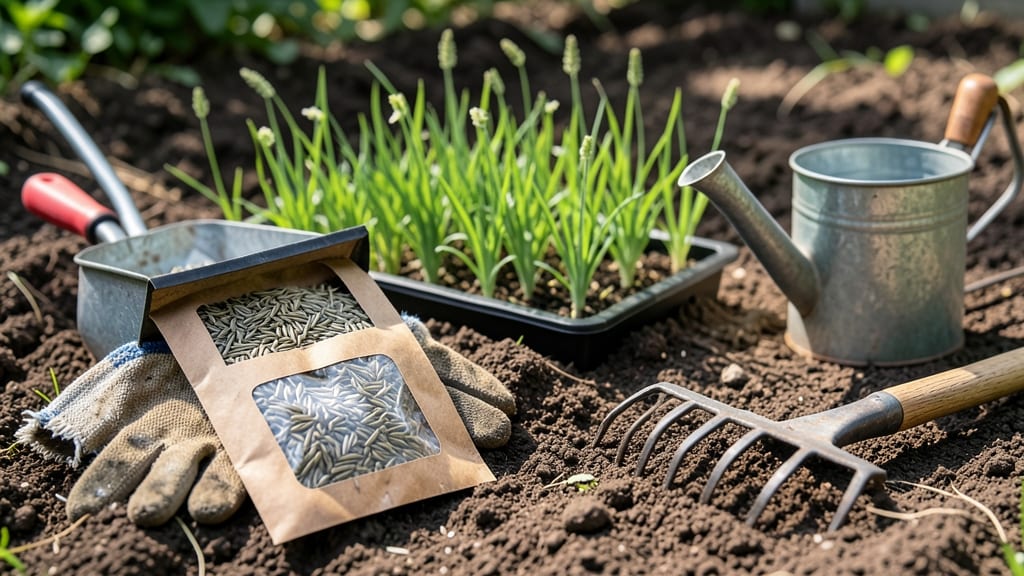
Timing your grass seed when to plant in the fall could mean the difference between a lush, green lawn next spring and a patchy, struggling yard.
Fall planting gives grass roots a head start before winter dormancy, but getting it wrong can leave you frustrated with weak germination or frost damage.
In USDA Zone 6a, where I live, the ideal window is 4-6 weeks before your first frost—typically late September through early November. Cooler temperatures and fewer weeds create perfect conditions for seedling growth, but rushing it too early or delaying too late can backfire.
You’ll learn how to pinpoint the best month for your specific climate, whether you’re in the northern or southern half of the country. Plus, I’ll share my top tips for soil prep, watering schedules, and post-planting care to ensure your new grass takes hold strong.
Skip the guesswork and discover the best strategies to transform your lawn into the envy of the neighborhood—starting with the right planting timeline.
Best fall grass seed planting months by USDA zone for optimal germination
Fall planting gives grass seed a head start on root growth before winter—critical for surviving harsh conditions. The ideal window is 4-6 weeks before your first frost, but exact timing depends on your USDA zone and grass type.
Cool-season grasses thrive in 60-75°F soil, while warm-season varieties need higher temps for germination.
Northern climates (Zones 3-5) should aim for late August to mid-October, while Southern regions (Zones 7-10) can extend planting until early December. The key is balancing warm soil and cool air—too early, and weeds take over; too late, and roots won’t establish before winter.
Here’s your zone-by-zone breakdown for perfect fall planting:
| USDA Zone | Best Planting Months | Soil Temp Goal (°F) | Grass Types |
|---|---|---|---|
| Zones 3-5 | Late August–Mid-October | 60–70°F | Tall fescue, Kentucky bluegrass |
| Zones 6-7 | September–Early November | 65–75°F | Fine fescue, perennial ryegrass |
| Zones 8-9 | October–Mid-December | 70–80°F | Bermuda, Zoysia (late fall) |
| Zones 10+ | November–January | 75–85°F | St. Augustine, Centipede |
⚠️ Pro Tip: Check your last frost date—plant 6 weeks before to avoid winter stress.
For Pacific Northwest or mountain regions, push planting to late September—cooler soils delay germination. In contrast, Deep South zones can plant into December if temps stay mild. Always test soil temps with a soil thermometer (60°F+ is ideal for most cool-season grasses).
Missed the window? Early spring (March–April) is your backup, but fall planting yields 70% stronger roots by next summer. The secret lies in cooler air reducing weed competition while warm soil fuels germination.
Now that you’ve nailed timing, let’s tackle the 5 critical factors that make or break your fall grass seed success—soil prep, watering, and more. Skipping these steps means even perfect timing won’t guarantee results.
5 Critical factors to ensure fall grass seed success (beyond just timing)
Timing your grass seed planting is just the first step—getting the soil conditions right makes all the difference. I’ve seen too many gardeners rush ahead without preparing their lawn properly, only to watch their seeds wash away or fail to sprout.
The key is creating the perfect environment for those tiny seeds to germinate and establish strong roots before winter.
First, test your soil pH—most grasses thrive in slightly acidic to neutral soil (pH 6.0-7.0). If your soil is too alkaline, amend it with sulfur or peat moss 2-3 weeks before planting.
I always do this in early September to give the soil time to adjust. Don’t skip this step—it’s the foundation for healthy grass growth.
| Factor | Critical Detail | Why It Matters |
|---|---|---|
| Soil pH | 6.0-7.0 (test with kit) | Grass roots absorb nutrients best in this range |
| Moisture Depth | Top 1-2 inches consistently damp | Seeds need steady hydration to germinate |
| Weed Control | Pre-emergent herbicide 2 weeks before planting | Competition steals nutrients from new grass |
| Seed Contact | Max ¼ inch soil coverage | Too deep = weak sprouts; too shallow = dries out |
| Post-Planting Care | Light fertilizer 4-6 weeks after sprouting | Strengthens root system before winter |
Next, focus on moisture management—this is where most people go wrong. Your goal is to keep the top 1-2 inches of soil consistently damp, not soggy.
I use a sprinkler with a rain gauge to apply ¼ inch of water daily for the first 2 weeks, then taper to every other day. Overwatering can suffocate seeds, while underwatering leaves them high and dry.
Weed control is another non-negotiable step. Apply a pre-emergent herbicide 2 weeks before planting to block weed seeds from germinating. I’ve found that corn gluten meal works well as a natural alternative—just spread it evenly over the lawn.
Weeds compete aggressively with new grass for water and nutrients, so eliminating them early gives your lawn the best chance to thrive.
Don’t overlook the importance of seed-to-soil contact. After spreading your grass seed, lightly rake the area to ensure seeds make contact with the soil. I use a bowl-shaped rake to create a textured surface that holds seeds in place without burying them too deeply.
Remember, seeds need light to germinate—burying them more than ¼ inch can prevent sprouting.
Finally, plan your post-planting care carefully. Once your grass reaches 3-4 inches tall, apply a light fertilizer (like 10-10-10) to strengthen roots before winter. I also recommend mowing high (3-4 inches) to shade out weeds and encourage deep root growth.
This single step can make the difference between a lawn that fades in winter and one that bounces back beautifully in spring.