
Plants
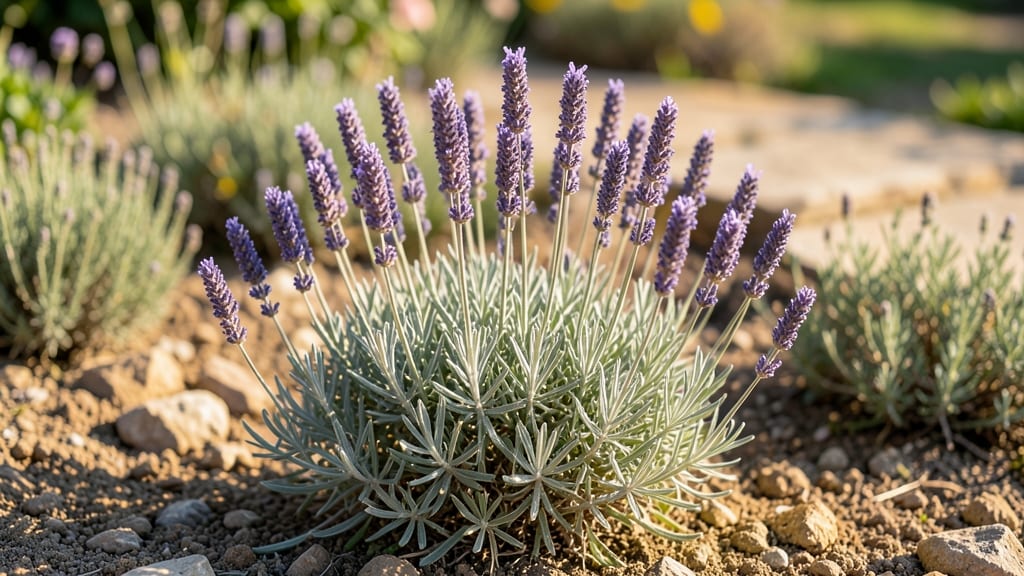
The secret to lush, fragrant lavender 🌿 isn’t just good soil—it’s how much light a lavender plant needs every day. Too little, and you’ll end up with weak stems and sparse blooms. Too much? You might burn those delicate leaves before they even open. Getting the balance right is the key to a thriving lavender plant that’ll reward you with vibrant purple spikes for years.
Most gardeners assume lavender is low-maintenance, but sunlight is where it makes or breaks success. Six to eight hours of direct sun isn’t just a suggestion—it’s a must for healthy growth.
Without it, your plant will stretch out, looking sad and leggy, while its signature scent fades. The good news? Once you nail the light, lavender practically takes care of itself.
Here’s the thing: lavender isn’t picky about the type of sunlight—just the amount. Morning sun is gentle, but afternoon rays pack a punch, so positioning matters.
I’ll show you exactly how to assess your garden’s light, spot the warning signs of too much or too little, and even adjust your planting strategy for the best results.
Ready to transform your lavender from struggling to stunning? Let’s dive into the sunlight secrets that’ll have your plants blooming like never before—no guesswork required.


Lavender sunlight requirements: the ideal light exposure for maximum growth
Lavender plants are sun worshippers—they crave 6 to 8 hours of direct sunlight daily to thrive. Without enough light, you’ll notice weak stems, sparse blooms, and pale foliage that lacks the signature fragrance.
The good news? Once you understand their sunlight needs, you can create the perfect conditions for vibrant purple spikes and lush green leaves.
Most lavender varieties, like English lavender (Lavandula angustifolia) and French lavender (Lavandula stoechas), perform best in full sun exposure. This means placing them in a spot where they receive unfiltered sunlight for most of the day.
If you’re unsure about your garden’s sunlight intensity, observe how shadows move—lavender needs areas where shadows are minimal, even during peak summer hours.
Here’s a quick rule of thumb: If your lavender gets less than 6 hours of sun, it’s likely underperforming. Too little light leads to stunted growth and fewer flowers, while too much (especially in hot climates) can cause leaf burn.
The key is finding that sweet spot where your plant gets plenty of light but isn’t scorched by midday heat.
🌱 Did You Know? Lavender’s love for sunlight is tied to its Mediterranean roots, where it evolved to thrive in bright, dry conditions. Mimicking these natural growing conditions is the secret to a healthy, fragrant lavender plant.
| Requirement | Specification |
|---|---|
| Daily Sunlight | 6–8 hours of direct sunlight |
| Best Location | South-facing or west-facing spot |
| Light Intensity | Full sun (90% sunlight exposure) |
| Partial Shade Tolerance | 3–4 hours max (reduces flowering) |
| Signs of Too Little Light | Pale leaves, weak stems, few blooms |
| Signs of Too Much Light | Brown leaf tips, crispy edges, sunburn |
If your garden doesn’t offer full sun, don’t despair—lavender can adapt to partial shade, but with trade-offs. In 3–4 hours of morning sun, your plant will survive but may produce fewer flowers and grow more slowly.
For best results, prioritize south-facing windows or open spaces where lavender can soak up the sun’s rays.
Another tip: Pay attention to your local climate. In hot, dry regions like the Southwest U.S., lavender can handle intense afternoon sun if the soil is well-draining. However, in humid climates, afternoon shade can prevent leaf burn while still providing enough light for healthy growth.
For container-grown lavender, place pots near south-facing walls or fences to maximize sunlight exposure. If your balcony or patio gets only partial sun, consider using a reflective surface like a white wall or mirror to bounce extra light onto your plants.
Even small adjustments can make a big difference in your lavender’s health and blooming potential.
Remember, lavender’s love for sunlight is non-negotiable—it’s the foundation for strong roots, fragrant foliage, and abundant flowers. Once you’ve nailed the light requirements, you’re already halfway to growing the most beautiful lavender in your neighborhood.
🌻
How to adjust your garden for perfect lavender light conditions
If your lavender isn’t thriving despite full sun exposure, the issue might be how you’re positioning it in your garden. Lavender isn’t just picky about sunlight—it also needs proper airflow and well-draining soil to prevent root rot. Let’s fix that with practical adjustments tailored to your space.
First, rotate your lavender plants every 2-3 weeks if possible. This ensures even sunlight exposure, preventing one side from becoming leggy or weak. Think of it like turning a sunbather to avoid a tan line—your lavender needs balanced light too!
Next, prune strategically to encourage bushier growth. Cut back one-third of the plant in early spring before new growth appears. This removes weak stems and opens the center for better air circulation—critical for preventing fungal issues in humid climates. Use clean, sharp shears and avoid cutting into old wood.
For container-grown lavender, choose pots with drainage holes and place them on elevated surfaces (like a trellis or decorative stand). This mimics the dry, rocky soil lavender loves and prevents water from pooling at the roots.
Pro tip: Group containers together to create a microclimate that retains heat and sunlight efficiently.
If your garden has partial shade (e.g., under trees or near buildings), opt for dwarf lavender varieties like ‘Hidcote’ or ‘Munstead’. These tolerate 3-4 hours of direct sun but still produce fragrant blooms. Just avoid deep shade—lavender will stretch toward light, becoming weak and prone to flopping.
Finally, test your soil’s drainage. Lavender hates soggy roots! Dig a hole, fill it with water, and time how long it takes to drain. If it’s still wet after 1-2 hours, amend the soil with sand or gravel to improve aeration.
A gravel mulch around the base also helps regulate moisture and temperature.