
Plants
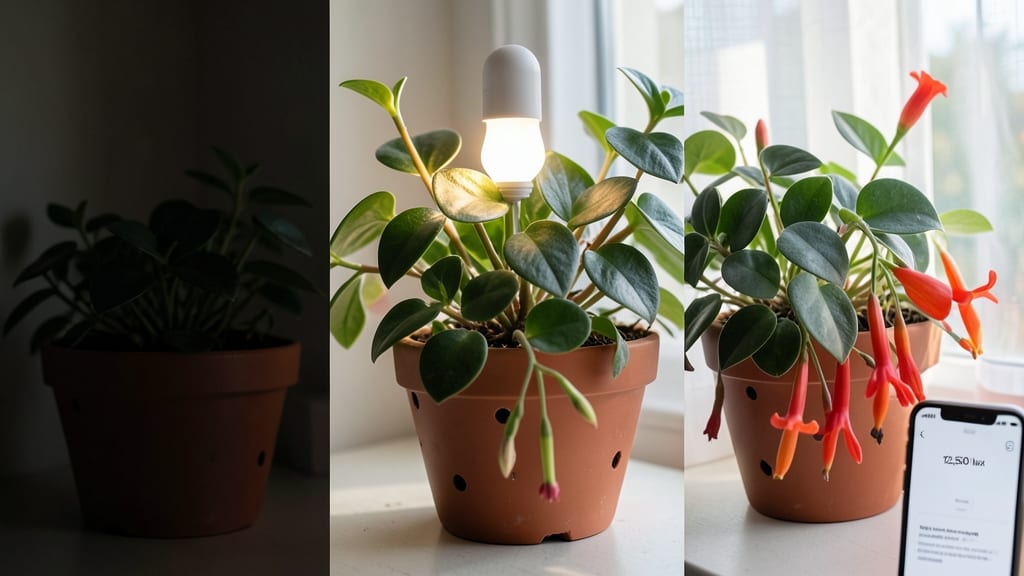
If your Lipstick Plant 🌸 looks sad with droopy leaves or pale stems, you’re probably guessing wrong about its light needs—and that’s a common mistake.
This tropical beauty thrives in bright indirect light, but too much direct sun can scorch its delicate foliage while too little leaves it stretched and weak.
I’ve seen firsthand how just the right spot transforms a struggling plant into a lush, blooming showstopper. The key is mimicking its natural understory habitat—think east-facing windows or a few feet back from a south-facing one. Even indoor grow lights can work if you position them correctly.
In this guide, I’ll break down exactly how much light your Lipstick Plant needs, plus how to spot signs of over- or under-lighting. Whether you’re dealing with a sunny apartment or a shady corner, you’ll learn simple fixes to keep your plant happy year-round.
Let’s get your 🌸 Lipstick Plant glowing again—no more guesswork, just proven tips for vibrant growth.


Ideal light requirements for lipstick plants: low to bright indirect sunlight explained
Your lipstick plant (Aeschynanthus radicans) thrives in bright indirect sunlight, making it perfect for indoor growers. Unlike sun-loving succulents, this tropical beauty burns under harsh rays. Aim for 4-6 hours of filtered light daily, like the dappled shade of a forest understory.
The key is avoiding direct afternoon sun, which causes crispy leaf edges. Instead, place it near an east-facing window where morning light is gentle. West-facing windows work too, but use a sheer curtain to diffuse intensity.
Outdoors, lipstick plants love partial shade under trees or on shaded patios. They’ll tolerate 3-4 hours of morning sun, but avoid hot midday exposure. In winter, supplement with grow lights if natural light drops below 4 hours daily.
Watch for these light stress signs:
- Leggy growth = too little light
- Yellowing leaves = overwatering + low light
- Brown leaf tips = direct sunburn
| Light Condition | Ideal Duration | Best Location | Signs of Stress |
|---|---|---|---|
| Bright Indirect Light | 4-6 hours daily | East/west windows, 2-3 ft away | Healthy glossy leaves |
| Low Light | <2 hours daily | North-facing windows | Leggy stems, sparse blooms |
| Direct Sun | Afternoon rays | South-facing windows | Brown leaf edges, crispy patches |
Seasonal adjustments are crucial. In summer, move your plant 1-2 feet back from windows to prevent sunburn. During winter, rotate the pot weekly so all sides get even light exposure, preventing lopsided growth.
For outdoor cultivation, choose a spot with morning sun + afternoon shade. A 50% shade cloth works wonders if you’re growing in a greenhouse or conservatory. Just ensure airflow stays good to prevent fungal issues.
Pro tip: Use a light meter app to check intensity. Aim for 1,000-2,000 foot-candles—about the light level of a well-lit office. If your home lacks natural light, LED grow lights (6,500K color temperature) are your best bet.
Remember, lipstick plants adapt slowly to light changes. If you move it to a brighter spot, do it gradually over 1-2 weeks to avoid shock. Sudden changes cause stress, leading to dropped leaves or stunted growth.
With the right light balance, your lipstick plant will reward you with vibrant red tubular flowers year-round. The secret? Mimic its natural habitat—dappled forest light—and you’ll have a thriving tropical beauty indoors.
How to adjust light for lipstick plants in different home environments
Not all homes offer the same lighting conditions, and your Lipstick Plant 🌸 may need adjustments depending on whether you live in a sunny condo, a shady apartment, or even outdoors. The key is replicating its natural understory habitat—bright but filtered light—no matter your setup.
For low-light apartments, avoid placing your plant in dim corners. Instead, position it near an east-facing window where it gets gentle morning sun. If that’s not an option, a south-facing window 3-4 feet back can work, but use a sheer curtain to diffuse harsh rays.
If you’re dealing with a south-facing room that gets intense afternoon sun, your plant will need protection. Move it 5-6 feet away from the window or use a reflective surface (like a white wall) to bounce light back evenly. This mimics the dappled shade it loves in the wild.
For outdoor cultivation, like on a patio or balcony, your Lipstick Plant thrives in partial shade—think morning sun + afternoon shade. A spot under a large tree canopy or a 50% shade cloth is ideal. Avoid full sun, which can cause leaf scorch and crispy edges.
🌱 3 Proven Light Adjustment Tips
- Rotate your plant weekly for even growth—turn it ¼ turn toward the light source.
- Use a grow light (LED or fluorescent) 12-18 inches away for 12-14 hours/day if natural light is insufficient.
- In winter months, supplement with a bright indoor light to prevent leggy growth from weak sunlight.
Seasonal changes also demand attention. In summer, your plant may need more shade as sunlight intensifies, while in winter, it might crave extra light to compensate for shorter days. Watch for yellowing leaves or stretched stems—these are clear signals to tweak its light exposure.
Pro tip: If your plant starts looking pale or sparse, it’s begging for more light. Conversely, brown leaf tips or crispy edges mean it’s getting too much direct sun.
Adjust gradually—never move your plant from low light to bright sun overnight, or you’ll shock its delicate foliage.