
Plants
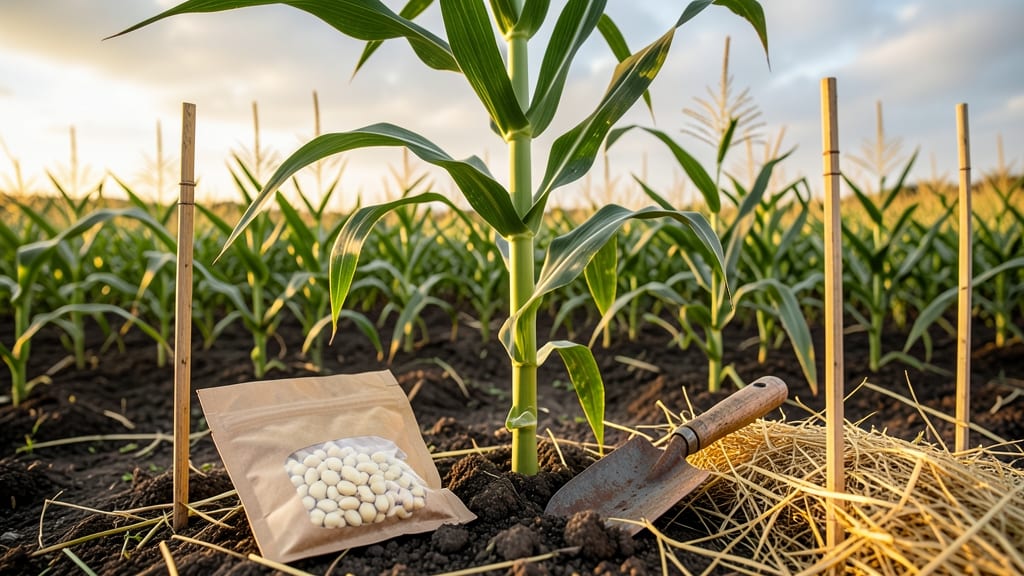
Timing your corn planting in Florida isn’t just about the calendar—it’s about outsmarting the heat before it turns your crop into a sad, wilted memory.
With USDA zones 8a-11 and summer temps that can fry seeds in minutes, knowing the exact weeks to plant 🌽 makes all the difference between a backyard harvest and a failed experiment.
Most gardeners in Florida swear by two windows: mid-March to early May for spring plantings and late July to early September for fall. But here’s the catch—your location matters. North Florida’s cooler nights buy you extra time, while South Florida’s year-round warmth means you can push the envelope (carefully).
What you’ll discover is how to sync your planting with Florida’s quirks—like avoiding the brutal June heat and leveraging humidity for faster growth.
Whether you’re starting seeds indoors or dropping them straight into warm soil, these strategies will help you beat the odds and grow corn that’s actually worth bragging about.
Ready to turn your garden into a cornucopia? Let’s break down the precise timing, soil secrets, and heat hacks that’ll have you harvesting sweet ears from June through December—no guesswork required.
Florida corn planting calendar by heat zone: exact weeks before summer
Florida’s climate is as diverse as its beaches—from the frost-prone Panhandle to the frost-free Keys. This means your corn planting window isn’t one-size-fits-all.
I’ve broken down the state’s 8 heat zones (based on USDA zones 8a-11) to give you the exact weeks before summer’s scorching heat when you should plant for maximum yield.
In North Florida (Zones 8a-8b), where frost lingers until mid-January, your planting window is tight—just 6-8 weeks before summer’s 90°F+ days hit. Meanwhile, in South Florida (Zones 10a-11), you can plant corn year-round, but the best harvests come from fall planting (July–September) to escape summer’s brutal humidity.
Here’s your zone-by-zone planting calendar, including last frost dates, soil temperature triggers, and harvest windows to avoid summer wilting.
Pro tip: Use early-maturing varieties (like ‘Silver Queen’ or ‘Peaches and Cream’) in North Florida to beat the heat. In South Florida, drought-tolerant hybrids (such as ‘Golden Bantam’) thrive year-round but need shade during peak summer afternoons.
For fall planting (July–September), aim to harvest before December’s cooler snaps in North Florida. In South Florida, fall corn avoids summer’s 95°F+ heat stress and pests like corn earworms. I’ve had my best yields by planting 4–6 weeks before the first frost in cooler zones.
Remember: Corn needs 60–70 days from planting to harvest, so time it so ears mature when temps are 75–85°F. If you plant too late, your crop will bolt or develop small, starchy kernels instead of sweet, juicy ones.
🌽
How to adjust corn planting for Florida’s microclimates: soil, rainfall & heat tolerance tips
Florida’s humidity, sandy soils, and sudden summer storms demand special adjustments for corn. Unlike northern states, Florida’s microclimates mean your Panhandle garden faces frost risks while South Florida enjoys year-round warmth. The key is adapting your approach to your specific zone’s challenges.
Start by testing your soil pH—corn thrives in slightly acidic to neutral soil (6.0–7.0). Florida’s sandy soils often need organic matter like compost or aged manure to retain moisture and nutrients. Mix in 2–3 inches of compost before planting to give your corn a nutrient boost.
Florida’s unpredictable rainfall can drown corn roots or leave them parched. Install a drip irrigation system to deliver 1–2 inches of water weekly, adjusting for storms. In drought-prone areas like Central Florida, consider drought-tolerant varieties like ‘Silver Queen’ or ‘Peaches & Cream.’
Watch for Southern corn leaf blight and corn earworm, common in Florida’s heat. Use row covers for young plants and apply neem oil or Bt spray preventatively. Plant marigolds nearby to repel pests naturally.
For North Florida gardens, stagger plantings every 2 weeks from March to May to extend harvests. In South Florida, you can plant year-round, but avoid peak summer (June–August) when heat stress reduces yields. Use shade cloth (30%) during extreme heat waves.
Finally, monitor your corn’s silks—they should turn brown and dry within 24 hours of pollination. If they stay green in high humidity, your corn may struggle to pollinate. Hand-pollinate by transferring tassel pollen to silks with a paintbrush if needed.