
Plants
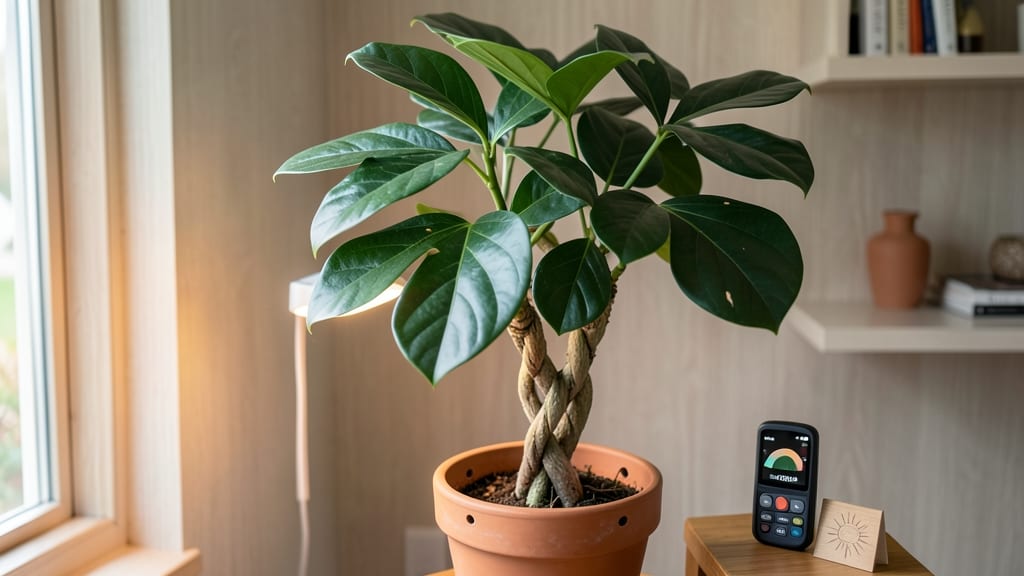
If your 💰 Money Tree is looking sad—yellow leaves, stretched branches, or just not growing—it might be starving for how much light does a Money Tree plant need to thrive.
The secret to keeping your Pachira aquatica thriving isn’t just any light; it’s finding that sweet spot of bright, indirect sunlight that mimics its natural tropical habitat.
Too much direct sun? Watch your leaves crisp up like toast. Too little light? Your Money Tree will stretch toward the window like a sleepy cat reaching for warmth. But get the balance right, and you’ll reward yourself with glossy, vibrant leaves and steady growth all year long.
I’ve helped countless plant parents revive their Money Trees by tweaking just one thing: their light setup. Whether you’re dealing with a dim corner or a sun-soaked windowsill, I’ll show you exactly how to create the perfect growing conditions—no guesswork required.
Ready to transform your plant from struggling to stunning? Let’s dive into the bright indirect sunlight secrets that’ll have your Money Tree looking like a million bucks in no time.


Ideal light requirements for a healthy money tree: bright indirect sunlight explained
The money tree (Pachira aquatica) thrives in bright indirect sunlight, making it perfect for indoor spaces with natural light. Unlike sun-loving plants, it avoids harsh rays that cause leaf scorch.
Aim for 500-1,000 foot-candles of light—think east-facing windows or 3-5 feet from a south-facing one. Without this balance, your plant may struggle to grow or develop unsightly brown patches.
Natural light varies by season, so adjust placement in winter vs. summer. During winter months, when sunlight is weaker, move your money tree closer to the window.
In summer, filter light with sheer curtains to prevent overheating. Artificial grow lights (12-14 hours/day) work well if natural light is insufficient, especially in low-light offices or basements.
🌱
Measuring light at home is simple: use a light meter app (free on smartphones) or observe your plant’s response. If leaves stretch toward the light (etiolation), it needs more brightness.
Conversely, crispy edges signal excessive light exposure. Rotate your money tree quarter-turns every 2 weeks to ensure even growth and prevent lopsided development.
Outdoor money trees (in USDA Zone 10+) need morning sun and afternoon shade. A spot under a dappled tree canopy mimics their ideal indoor conditions. Avoid placing them in full sun gardens, where temperatures exceed 85°F (29°C), as this stresses the plant.
If you’re unsure about your space, start with a north-facing window—the safest bet for beginners.
Pro tip: Reflective surfaces like white walls or mirrors amplify light. Place your money tree near one to boost brightness without direct sun. Just avoid heat sources like radiators or vents, which dry out the air and leaves.
Humidity levels of 40-50% complement its light needs, so mist leaves occasionally or use a pebble tray.
💡
For office environments, position your money tree near a fluorescent or LED grow light if natural light is limited. LED bulbs (6,500K color temperature) mimic sunlight best. Test different heights—12-18 inches below the light—until you find the sweet spot.
Avoid incandescent bulbs, which generate too much heat and can damage leaves. If your plant starts dropping leaves, it’s often a sign of light stress or sudden environmental changes.
Remember, patience is key. Money trees grow slowly at first but reward consistent care with thicker trunks and glossy leaves. Track your plant’s progress with photos every 4-6 weeks to spot subtle changes in foliage color or growth rate.
Adjust light exposure gradually—never move it abruptly from shade to bright light, as this can cause shock.
☀️
Best locations for money trees: indoor and outdoor lighting hacks
Finding the perfect spot for your money tree (Pachira aquatica) is all about bright indirect light. In my experience, the best locations mimic natural forest understory lighting—think dappled sunlight filtering through leaves.
Start by evaluating your space: east-facing windows are ideal for morning sun, while west-facing windows can work if you provide afternoon shade. Avoid harsh direct sunlight from south-facing windows, which can cause leaf burn.
For indoor setups, place your money tree 2-3 feet from a north-facing window where it gets consistent light without intense heat. If your home lacks natural light, grow lights are a game-changer. A simple LED grow bulb (5,000-6,500K color temperature) placed 12-18 inches above the plant can replicate ideal conditions.
I’ve seen dramatic improvements in leaf color and growth after switching to artificial lighting in dim corners.
- 📍 East-facing window – Gentle morning light
- 📍 North-facing window – Consistent indirect light
- 📍 Rotating shelf – Equal exposure on all sides
- 📍 Grow light setup – 12-14 hours/day for low-light areas
- 🌳 Partial shade – Under trees with sparse canopies
- 🌳 Morning sun only – Avoid afternoon heat
- 🌳 Porch with sheer curtain – Diffuses harsh rays
- 🌳 Hardiness zone 10-11 – Can tolerate brief outdoor stays
Outdoor enthusiasts can enjoy their money trees in partial shade gardens during warmer months. I recommend transitioning plants outdoors gradually—start with 1-2 hours of morning sun per day, then increase exposure over 2 weeks.
Watch for signs of stress like yellowing leaves or drooping branches, which signal too much sun. A lightweight shade cloth (30-50% coverage) is my go-to for protecting delicate foliage during peak hours.
Rotation is key to preventing lopsided growth. Every 2-4 weeks, turn your money tree ¼ turn to ensure even light exposure. I use a small sticky note on the pot’s side to track rotations—it’s a simple trick that keeps my plants balanced.
For taller varieties, a slow-turning plant stand (available at garden centers) automates the process while adding a decorative touch to your space.
Seasonal adjustments are crucial, especially when moving plants between indoor and outdoor spaces. In spring and fall, money trees thrive outdoors with filtered sunlight, but bring them inside before temperatures drop below 50°F.
I’ve learned the hard way that sudden temperature swings cause shock—always acclimate plants for 1 week indoors before full transition. Use a humidity tray with pebbles and water to mimic tropical conditions during these shifts.
Pro tip: Test your light conditions with a light meter app (like Light Meter by Adexin) to measure foot-candles in potential spots. Aim for 500-1,000 foot-candles—this range keeps your money tree happy without risking damage.
If your space falls short, supplement with a smart grow light on a timer for consistent results. With the right placement, your money tree will reward you with glossy, vibrant leaves and steady growth all year round.