
Companion Plants
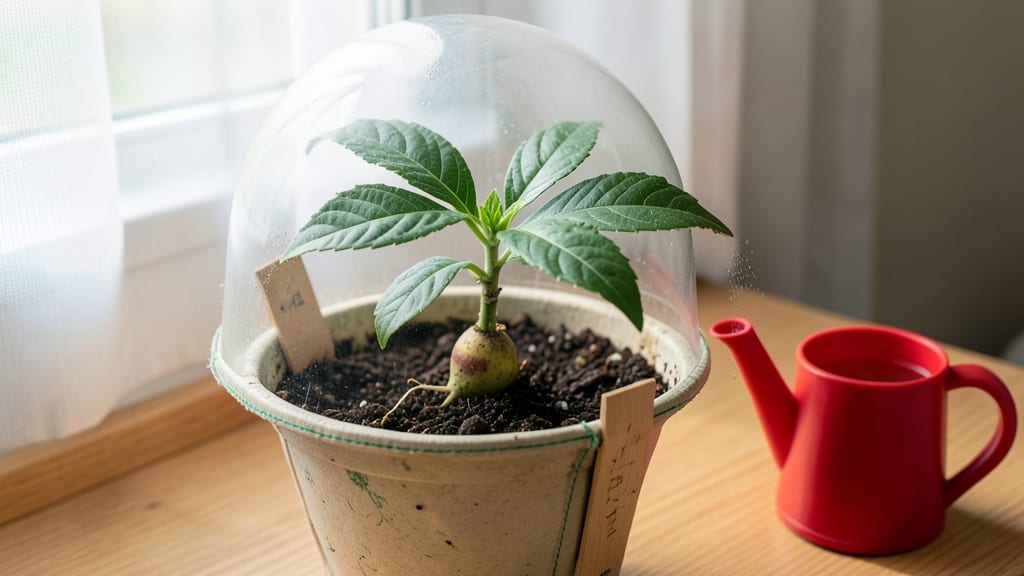
Planting your avocado seed in soil at the wrong time can mean the difference between a thriving 🥑 tree and a sad, wilted disappointment. The best window to transfer your sprouted seedling from water to soil depends on your climate zone, but getting it right is easier than you think.
Most gardeners in USDA Zone 6a should wait until after the last frost—typically April or May—when soil temperatures consistently stay above 60°F. This timing gives your seedling’s roots a fighting chance to establish before cooler weather sets in.
But if you’re in a warmer zone, you might have a longer window to work with.
Before you plant, your seedling should have 3–6 inches of healthy roots and a sturdy stem. Skipping this step often leads to weak growth or even death. I’ll walk you through the exact signs to look for and how to prepare your soil for success.
Once you’ve nailed the timing, the next steps—like choosing the right container, soil mix, and light conditions—will set your avocado seedling up for long-term growth. Let’s break it down so you can avoid common mistakes and give your little tree the best start possible.
Avocado seed germination Timeline: when to transplant from water to soil
Your avocado seed’s journey from water to soil is a delicate transition that hinges on root development and seedling strength. Most seeds sprout roots in 2–4 weeks, but waiting until they reach 3–6 inches ensures a sturdy foundation for soil.
The key is watching for two critical signs: a firm, woody stem and healthy root hairs along the bottom.
In tropical climates (USDA zones 9–11), this process takes 4–6 weeks due to warm, consistent temperatures. In temperate zones (7–8), it may stretch to 6–8 weeks because cooler conditions slow growth.
For cooler zones (6 and below), expect 8+ weeks—or risk weak seedlings if you rush planting.
Timing your transplant depends on local frost dates. In Zone 10, you can plant as early as February if frost isn’t a threat. In Zone 7, wait until mid-May after the last frost.
For Zone 6, start indoors in March and delay outdoor planting until June to avoid chilly nights.
| Stage | Timeframe | Root Length | Climate Notes |
|---|---|---|---|
| Sprouting | 2–4 weeks | 0–1 inch | Keep in water; no soil yet |
| Root Growth | 4–6 weeks | 1–3 inches | Tropical: faster growth |
| Transplant Ready | 6–8 weeks | 3–6 inches | Cooler zones: wait longer |
When your seedling hits the 3-inch root mark, it’s time to harden it off for 1–2 weeks. Place it outdoors in partial shade for 2–4 hours daily, gradually increasing exposure. This acclimates the plant to outdoor conditions and reduces shock when you transplant.
Avoid planting if night temps drop below 50°F (10°C), as avocado seedlings are frost-sensitive. In Zone 6, use a greenhouse or cold frame to extend the season. For containers, move pots indoors near a south-facing window during winter.
Soil readiness is just as critical as seedling readiness. Avocados thrive in well-draining, slightly acidic soil (pH 6.0–7.0). Mix 1 part cactus/succulent mix with 1 part perlite to prevent root rot. Plant the seedling 1–2 inches deep, ensuring the root base sits just above soil level.
After transplanting, water deeply to settle the soil and keep it moist but not soggy for the first 2 weeks. Use a humidity dome or plastic bag to retain moisture if your climate is dry.
Place the pot in bright, indirect light for 1–2 weeks before moving it to full sun.
Monitor your seedling for yellowing leaves, which signal overwatering or poor drainage. Brown tips indicate underwatering or low humidity. Adjust care based on these signs, and you’ll give your avocado the best start in soil.
With patience, your seedling will thrive and grow into a robust tree.
🌱
Best months to plant avocado seeds by climate Zone: a region-specific guide
Planting your avocado seed at the right time depends on your USDA hardiness zone and local climate. In zones 8–11, you can plant year-round, but spring (March–May) offers ideal warmth and moisture.
For zones 7–8, aim for April–June after frost risk passes, while zones 6 and below require starting seeds indoors (8–12 weeks before last frost) or using containers for flexibility.
Avocados thrive in warmth, so wait until soil temperatures consistently stay above 60°F (15°C). Use a soil thermometer to check—cold soil stunts root growth. In tropical climates (zones 10–11), you can plant anytime, but avoid monsoon seasons when heavy rain drowns roots.
For temperate zones (7–9), align planting with your region’s last frost date—typically mid-April to early June.
🌱 Climate Zone Planting Guide
| Zone | Best Planting Months | Key Considerations |
|---|---|---|
| 8–11 (Tropical/Subtropical) | Year-round (avoid monsoons) | Soil temp >60°F; use shade cloth in summer |
| 7–8 (Temperate) | April–June (after frost) | Hardening off seedlings; mulch for warmth |
| 6 & Below (Cold Climates) | Indoors (Feb–March) or containers | Move outdoors after last frost; use grow lights |
If you’re in a cooler zone (6 or below), start seeds indoors 8–12 weeks before transplanting. Use a grow light to simulate sunlight and keep soil moist but not soggy. Once seedlings hit 6 inches tall, gradually introduce them to outdoor conditions—a process called hardening off.
For containers, choose a 5-gallon pot with drainage holes and a well-draining cactus/succulent mix.
In warmer zones (9–11), plant directly in well-draining garden soil after the last frost or when soil warms. Amend heavy clay soil with compost or perlite to prevent root rot. Avoid planting in summer in these zones—intense heat can stress seedlings.
Instead, opt for early spring or fall for gentler conditions.
Pro tip: Monitor humidity—avocado seedlings need 60–70% humidity to thrive. In dry climates, use a humidity tray or mist seedlings daily. For outdoor planting, choose a south-facing spot with 6+ hours of sunlight daily. Mulch around the base to retain moisture and regulate soil temperature.
Remember, patience is key. Avocado seedlings grow slowly—don’t rush transplanting. Wait until roots are 3–6 inches long and the stem is firm to the touch. This ensures your seedling has the strength to adapt to soil.
With the right timing, your avocado seed could grow into a fruit-bearing tree in 3–5 years! 🌳