
Plants
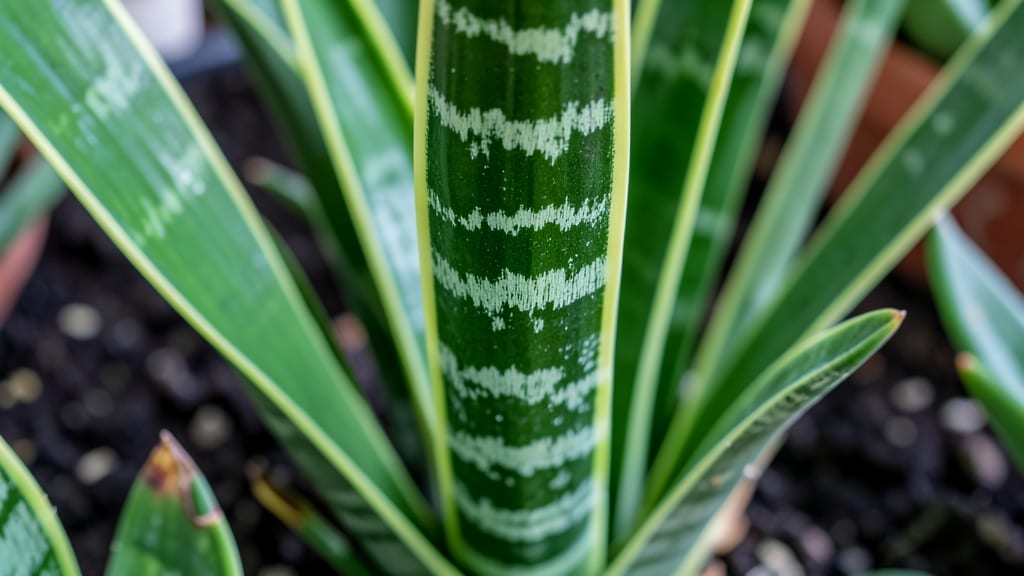
If you’ve ever wondered how much light does a snake plant require to thrive, the answer might surprise you—this resilient 🌱 doesn’t need much to stay happy.
Unlike fussy houseplants, snake plants adapt to everything from dim offices to bright, indirect sunlight, making them perfect for busy plant parents who don’t have time for complicated care.
The secret lies in their flexibility: too little light, and they’ll slow down (but won’t die), while too much can scorch their leaves. I’ll show you exactly how to spot the signs—like yellowing tips or stretched-out growth—and adjust their spot without overthinking it.
Whether your home has a sunlit corner or a shadowy bathroom, we’ll find the sweet spot for lush, low-maintenance growth.
You don’t need a green thumb to keep a snake plant thriving—just a basic understanding of light. I’ll break down the ideal conditions, from bright indirect light to surprisingly low-light tolerance, so you can place yours with confidence. Ready to stop guessing and start growing?
Let’s dive into the simple tricks that’ll keep your snake plant looking its best year-round, no matter where you put it. Trust me, once you master this, you’ll wonder why you ever stressed over other plants!


Ideal light requirements for snake plants: from bright indirect to low light
Snake plants (Sansevieria) are famous for their adaptability, but their light needs are often misunderstood. While they thrive in low-light conditions, too little or too much light can stunt their growth or damage their leaves.
The key is finding the right balance—typically bright indirect light—to keep your plant healthy and vibrant.
Most snake plants tolerate 2-4 hours of direct sun daily, but prolonged exposure can scorch their leaves. In contrast, they can also survive in artificial office lighting or dim corners, making them perfect for beginners or busy plant parents. The trick is observing your plant’s response to its environment.
Bright indirect light (like an east or west-facing window) is ideal for most varieties. This mimics their natural habitat in African savannas, where they receive dappled sunlight. If your plant is near a south-facing window, use a sheer curtain to diffuse harsh rays during peak sunlight hours (10 AM–4 PM).
For those with low-light spaces, like bathrooms or offices, snake plants are still a great choice. They’ll grow slower but remain alive with minimal care. The trade-off? Their leaves may become thinner or lose some of their striking variegation over time.
Here’s how to match your snake plant’s light needs to common indoor spaces:
🌱 Snake Plant Light Requirements Summary
| Light Type | Ideal Location | Growth Impact | Care Adjustments |
|---|---|---|---|
| Bright Indirect | East/west window, 1-3 ft away | Healthy, upright growth | Water every 2-3 weeks |
| Medium Light | North window, 5+ ft from south window | Slower growth, thinner leaves | Water every 3-4 weeks |
| Low Light | Offices, bathrooms, dim corners | Survives but may etiolate (stretch) | Water every 4-6 weeks |
| Direct Sun | South window without protection | Leaf burn, yellowing tips | Move to indirect light immediately |
💡 Pro Tip: Rotate your plant quarter-turns every 2-3 months to ensure even light exposure and prevent lopsided growth.
If you notice your snake plant’s leaves developing yellow or brown patches, it’s likely getting too much direct sunlight. Move it further from the window or add a sheer curtain.
On the flip side, if the leaves are thinning or stretching upward (a condition called etiolation), it’s craving more light—try relocating it to a brighter spot.
Outdoor snake plants can handle partial shade but avoid placing them in full shade for extended periods, as this can weaken their structure. In summer, bring potted snake plants outside for a few hours of morning sun, then move them back indoors to prevent heat stress.
Remember, snake plants are forgiving—they’d rather survive than thrive. But with the right light, you’ll see bold variegation, thick leaves, and vigorous growth that makes them a standout houseplant. Start by placing yours near an east-facing window and adjust based on its response over a few weeks.
For variegated varieties like ‘Laurentii’ or ‘Futura Superba’, slightly more light (up to 4 hours of indirect sun) will enhance their striking patterns. Monitor closely, as these types are more sensitive to light changes than solid-green snake plants.
🌿
Ideal light requirements for snake plants: from bright indirect to low light
Snake plants (Sansevieria trifasciata) are famous for their adaptability, but their light requirements still matter for optimal growth. They thrive in bright indirect light, but don’t panic if your space is dimmer—they’ll survive in low-light conditions too.
The key is understanding their tolerance range to avoid common issues like yellowing leaves or stretched growth.
In my experience, the best spots for snake plants are east or west-facing windows, where they get gentle morning or afternoon sun. A south-facing window can work too, but only if the plant is placed a few feet back to avoid harsh direct rays.
Even north-facing windows or offices with fluorescent lighting can support a snake plant, though growth may slow down.
Here’s how to match your home’s lighting to your snake plant’s needs:
| Light Condition | Ideal Placement | Growth Impact | Signs of Stress |
|---|---|---|---|
| Bright Indirect Light | 1-3 ft from east/west window | Vibrant leaves, steady growth | None (perfect conditions!) |
| Medium Light | North window or 4-6 ft from south window | Slower growth, darker leaves | None (still healthy!) |
| Low Light | Bathroom, office, or corner far from windows | Survival mode, minimal growth | Leaves may stretch or thin |
| Direct Sunlight | South window without filter | Leaf scorch, brown tips | Yellow/brown patches on edges |
If your snake plant is in low-light conditions, don’t worry—it won’t die, but it may grow more slowly.
Rotate the pot every few months so all sides get even exposure, and avoid placing it near air conditioning vents or heaters, which can dry out the air and stress the plant.
For bright indirect light, position your snake plant near a window but out of direct rays. If you notice yellow tips or brown patches, it’s likely getting too much sun—move it back a few feet or use a sheer curtain to diffuse the light.
The goal is to mimic its natural habitat in tropical West Africa, where it grows under dappled shade.
Remember, snake plants are forgiving. Even if you place yours in a spot with less-than-ideal light, it’ll likely bounce back once you adjust its location. The key is observing its leaves—they’re the best indicators of whether it’s getting just the right amount of light.