
How To
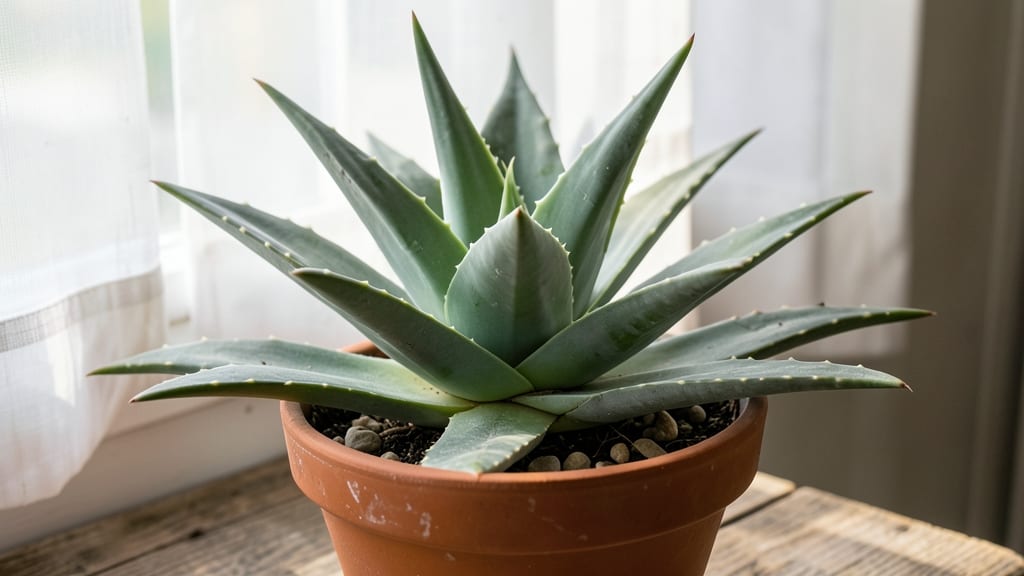
If you're wondering how much light does an aloe plant need 🌱 to thrive, the answer lies in striking the perfect balance—bright conditions without scorching. An aloe that’s stretching toward the window or developing brown patches is likely getting the light wrong.
While it loves sunlight, too much direct exposure can damage its leaves, and too little leaves it weak and leggy. The ideal scenario is 6+ hours of bright, indirect light, where intensity meets moderation.
Most people assume aloe needs full sun, but in reality, it prefers bright indirect light—especially in hot climates. Indoor plants near south-facing windows often do best, while outdoor aloe in USDA Zone 6a can handle morning sun with afternoon shade.
Let’s break down exactly how to spot the signs of over- or under-lighting and adjust your care routine. Whether you’re dealing with a sunburned aloe or one that’s barely growing, small tweaks—like rotating your plant or using sheer curtains—can make a huge difference.
We’ll cover how to tell if your aloe is getting just the right amount of light and what to do if it’s not. Ready to bring your plant back to life?
By the end, you’ll know exactly where to place your aloe—whether indoors or out—to keep it happy, healthy, and ready for year-round harvesting. Let’s get started!


Optimal light requirements for aloe vera growth: low to bright indirect sunlight explained
Aloe vera plants thrive best in bright indirect sunlight, but they can also tolerate some direct sun exposure—especially in outdoor settings. The key is finding that sweet spot where your aloe gets enough light to stay vibrant without getting sunburned.
In my experience, aloe vera needs about 6 to 8 hours of sunlight daily, though they can adapt to slightly less if given bright indirect light.
Outdoor aloe plants love full sun conditions (6+ hours of direct sunlight), but they can handle up to 4 hours of afternoon shade in hot climates to prevent leaf scorch.
If you're growing aloe indoors, place it near a south-facing window where it can bask in the brightest natural light available. East or west-facing windows can work too, but you may need to supplement with a grow light during shorter winter days.
Too little light causes etiolation—those long, leggy stems and sparse leaves that make your aloe look sad and weak. On the flip side, too much harsh afternoon sun can lead to sunburned patches or crispy leaf edges.
Balancing these extremes is the secret to keeping your aloe healthy and lush.
Here’s a quick breakdown of what your aloe vera needs to thrive:
| Light Requirement | Ideal Specification | Outdoor Notes | Indoor Notes |
|---|---|---|---|
| Direct Sunlight | 4-6 hours daily | Best for outdoor aloe; avoid harsh afternoon sun in summer | Use sheer curtains to diffuse light |
| Bright Indirect Light | 6+ hours daily | Ideal for partial shade or filtered sunlight | South-facing windows are best |
| Low Light Tolerance | <3 hours daily | Leads to weak, stretched growth | Supplement with grow lights |
| Seasonal Adjustments | Winter: More light needed | Move aloe closer to windows or outdoors | Rotate plant for even light exposure |
Seasonal changes play a big role in aloe light requirements. During summer months, outdoor aloe plants can handle more direct sunlight, especially in the morning.
However, in winter, when daylight hours shrink, you’ll need to adjust by moving your aloe closer to a sunny window or supplementing with a grow light for 12-14 hours a day. This mimics the longer daylight periods aloe experiences naturally.
If you notice your aloe’s leaves turning yellow or brown at the tips, it might be getting too much direct sun, especially during peak afternoon hours. On the other hand, if the leaves start stretching and looking pale or thin, your aloe isn’t getting enough light.
These visual cues are your plant’s way of communicating its needs—pay attention, and you’ll keep your aloe happy and healthy!
For indoor aloe care, I recommend rotating your plant every 2-3 weeks to ensure all sides get equal light exposure. This prevents uneven growth and helps your aloe stay compact and sturdy.
If your home lacks natural light, consider investing in a full-spectrum LED grow light to bridge the gap. These lights are energy-efficient and can provide the bright indirect light your aloe craves.
In outdoor settings, aloe vera plants do best in well-draining soil with plenty of airflow. Pairing the right light conditions with proper soil and watering habits will give your aloe the best chance to thrive.
Remember, aloe vera is a succulent, so it’s adapted to arid conditions—don’t overwater it, even if it’s getting plenty of light!
🌱
Optimal light requirements for aloe vera growth: low to bright indirect sunlight explained
Aloe vera thrives in bright indirect sunlight to direct sun exposure, making it a perfect candidate for sunny windowsills or outdoor gardens. While it loves sunlight, too much direct exposure can scorch its leaves, while low light conditions cause weak, leggy growth.
The key is finding that sweet spot where your aloe gets 6+ hours of sunlight daily without overheating.
Outdoors, place your aloe in a spot with morning sun and afternoon shade to protect it from intense afternoon rays. Indoors, a south-facing window is ideal, but east or west-facing windows can work too—just rotate the pot occasionally for even growth.
If your aloe starts stretching toward the light, it’s begging for more brightness.
🌱 Aloe Vera Light Requirements Summary
| Light Type | Daily Hours Needed | Best For |
|---|---|---|
| Bright Indirect Sunlight | 4–6 hours | Indoor windowsills, filtered outdoor light |
| Direct Sunlight | 6+ hours (morning only) | Outdoor gardens, south-facing windows |
| Low Light | <2 hours | Avoid—causes etiolated growth |
Seasonal changes also affect your aloe’s light needs. In winter months, shorter daylight hours may require supplementing with a grow light for 12–14 hours daily. Conversely, during summer’s peak heat, move potted aloe to a shadier spot to prevent leaf burn.
Observe your plant’s leaves—they’re the best indicator of whether it’s getting just the right amount of light.
For indoor aloe care, avoid placing it near cold drafts or air conditioning vents, which can stress the plant. If your home lacks natural light, consider a full-spectrum LED grow light placed 6–12 inches above the plant for 6–8 hours daily.
This mimics natural sunlight and keeps your aloe happy year-round, even in dimly lit spaces.
Outdoor aloe vera plants in USDA Zone 6a or warmer can handle full sun year-round, but younger plants or those in containers may need afternoon shade during summer’s intense heat.
Mulch around the base with gravel or pebbles to reflect light and keep roots cool. This simple trick can make a huge difference in preventing heat stress.
Remember, aloe vera’s leaves are thick and succulent for a reason—they store water and thrive in dry, sunny conditions. When in doubt, err on the side of more light rather than less.
Your aloe will reward you with vibrant, plump leaves and minimal care once you nail its light requirements.