
Plants
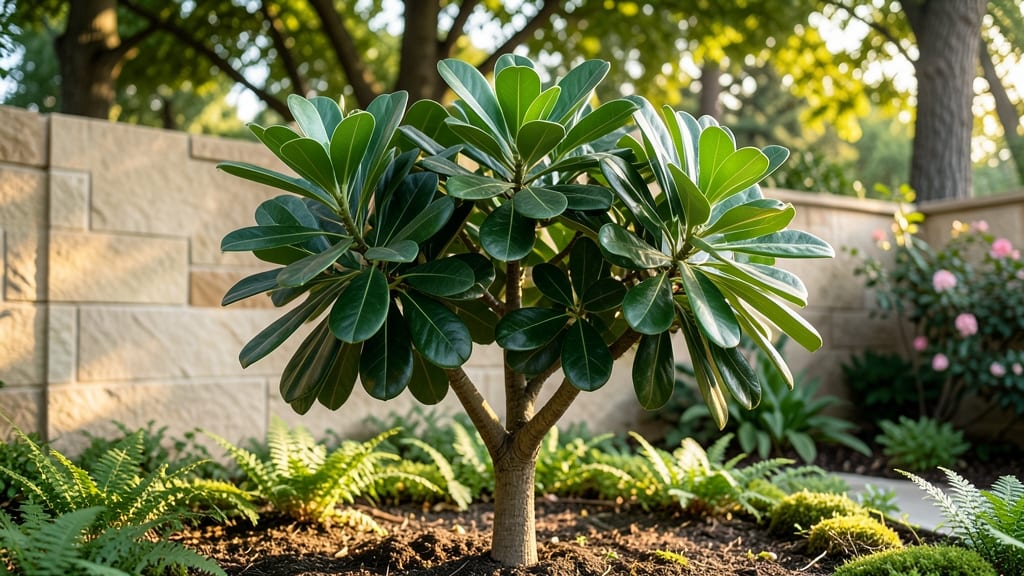
If you're wondering how much light does an umbrella plant need, the answer lies in replicating its natural understory habitat where dappled sunlight filters through taller trees. This hardy foliage plant thrives in bright but indirect conditions - not the harsh midday sun you might assume.
The key lies in providing the right balance, as most people overestimate how much direct light an Umbrella Plant can handle. While it can tolerate some morning sun, too much exposure leads to those telltale brown patches on leaves.
The ideal spot gets 4-6 hours of filtered light daily - think east-facing windows or a few feet back from a south window. This balance prevents both sunburn and that leggy, stretched growth that signals light deprivation.
What makes this plant so resilient is its adaptability - it can survive in lower light conditions than many houseplants, making it perfect for offices or north-facing rooms. However, pushing it too far into darkness results in pale leaves and sparse foliage.
The secret is finding that sweet spot where your plant gets enough light to photosynthesize without stress.
In this guide, I'll show you exactly how to assess your space, adjust light levels, and spot the subtle signs your Umbrella Plant is either basking in too much sun or struggling to get enough.
With these simple adjustments, you'll transform that struggling specimen into a lush, thriving centerpiece that keeps its signature umbrella-like foliage all year round.


Ideal light requirements for umbrella plants: low to bright indirect light explained
Your umbrella plant (Schefflera actinophylla) thrives in bright indirect light, mimicking its natural habitat under forest canopies. This means it needs moderate to high light intensity—think 1,000 to 3,000 foot-candles—but never harsh, direct sunlight that can burn its delicate leaves.
Without the right light, you’ll see stretched stems or pale, weak foliage, while too much sun causes brown leaf tips or crispy edges.
The key is finding that sweet spot where your plant gets enough light to photosynthesize but isn’t stressed by intensity. In nature, umbrella plants grow under dappled sunlight, so replicating this indoors is ideal.
If you’re unsure about your home’s light levels, a simple light meter app (or even observing how your plant reacts) can help you adjust. For example, if leaves start yellowing between veins, it’s a classic sign of too much direct sun.
Seasonal changes also play a role. During summer months, your umbrella plant may handle 2-3 hours of morning sun near an east-facing window, but afternoon sun can be too intense.
In winter, when natural light is weaker, you might need to supplement with grow lights or move your plant closer to a south-facing window to prevent leggy growth. Think of it like adjusting a thermostat—your plant’s light needs shift with the seasons.
Here’s a quick way to test your space: Place your umbrella plant near a west-facing window for a few days. If the leaves develop brown patches within 24 hours, that’s a red flag for too much direct light.
Conversely, if the leaves lose their gloss and stretch toward the light after a week, it’s underlit. The goal is to find that balanced middle ground where the leaves stay deep green, glossy, and compact.
| Light Condition | Foot-Candles | Signs of Plant Health | Adjustments Needed |
|---|---|---|---|
| Low Light (<1,000 FC) | North-facing window, deep indoors | Leggy growth, small leaves, pale color | Move closer to window or add grow light |
| Ideal Light (1,000-3,000 FC) | East/west window, 2-3 ft away | Glossy leaves, compact growth, vibrant green | Perfect! Rotate plant weekly for even growth |
| Too Much Light (>3,000 FC) | South window, direct afternoon sun | Brown leaf tips, crispy edges, yellowing | Move to indirect light or use sheer curtain |
If you’re working with a north-facing window, your umbrella plant can still thrive, but you may need to supplement with artificial light. A simple LED grow light placed 12-18 inches above the plant for 12-14 hours daily can mimic natural light cycles.
For west-facing windows, use a sheer curtain to diffuse the harsh afternoon rays, which are the most damaging. Pro tip: Rotate your plant ¼ turn weekly to ensure even light exposure on all sides—this prevents lopsided growth and keeps those umbrella-like fronds symmetrical.
Another trick is to observe your plant’s leaves like a detective. Healthy umbrella plant leaves are leathery, glossy, and deep green. If they start developing yellow patches between veins, it’s a cry for less direct sun.
If the leaves turn dull and stretch toward the light, it’s begging for more brightness. Think of it as your plant’s way of communicating its needs—pay attention, and you’ll keep it happy for years.
For urban dwellers with limited natural light, a south-facing window is your best bet, but even then, afternoon sun can be brutal.
If your only option is a south window, place your umbrella plant at least 5 feet away or use a double-layered curtain to filter the light.
In extreme cases, a full-spectrum LED grow light on a timer can be a lifesaver, especially in deep winter months when days are shortest.
Remember, umbrella plants are adaptable, but they hate sudden changes. If you move your plant to a brighter spot, do it gradually over 1-2 weeks to avoid sunburn shock. The same goes for bringing it indoors from outdoors—acclimate it slowly to prevent stress.
With the right light, your umbrella plant will reward you with lush, vibrant foliage that’s the envy of every plant lover.
🌿
How to adjust your home’s light for an umbrella plant’s success
Not all homes have bright indirect light pouring through windows, but your umbrella plant (Schefflera) can still thrive with the right adjustments. The key is understanding your space’s natural light and supplementing it strategically.
East-facing windows offer the gentlest morning sun, while west-facing windows can be too intense in the afternoon. If your home lacks natural light, don’t worry—grow lights can save your plant!
First, assess your window placement. North-facing windows provide consistent, indirect light, perfect for umbrella plants. South-facing windows can be too harsh unless you use a sheer curtain to diffuse the rays.
Measure the light intensity with a light meter (or use a free app) to aim for 1,000–3,000 foot-candles—this is the ideal range for your plant’s health.
🌿 Pros and Cons of Window Placements
| Window Type | Pros | Cons |
|---|---|---|
| East-Facing | Gentle morning sun, ideal for growth | Limited afternoon light |
| North-Facing | Consistent indirect light year-round | Lower light intensity, may need supplements |
| West-Facing | Bright afternoon light (with curtains) | Risk of leaf scorch if unfiltered |
| No Natural Light | Fully controllable environment | Requires grow lights and rotation |
If your umbrella plant is stretching toward the window, it’s begging for more light. Rotate the pot quarter-turns every 2 weeks to ensure even growth. For low-light conditions, invest in a full-spectrum LED grow light placed 6–12 inches above the plant.
These lights mimic natural sunlight and can keep your plant thriving even in a dim corner. Aim for 12–14 hours of light per day during winter months when daylight is scarce.
Another trick is to place your umbrella plant near a reflective surface, like a white wall or mirror, to bounce extra light onto its leaves. This subtle boost can make a big difference in preventing leggy growth.
Just avoid placing it in direct sunlight near a window—this can cause leaf burn and crispy edges. Instead, position it a few feet back for that perfect balance of brightness and safety.
For apartments or offices without windows, a combination of grow lights and rotation is your best bet. Start with a 12-inch distance from the light source and adjust based on leaf color. If the leaves are pale or yellowing, move the plant closer.
If they’re dark green and glossy, you’re nailing it! Remember, consistency is key—umbrella plants are forgiving but need stable light conditions to thrive.
Finally, keep an eye on your plant’s seasonal light needs. In summer, you might need to filter direct sun with sheer curtains, while in winter, supplementing with grow lights becomes essential. By tweaking your setup seasonally, you’ll keep your umbrella plant looking lush and vibrant all year round. 🌱