
Plants
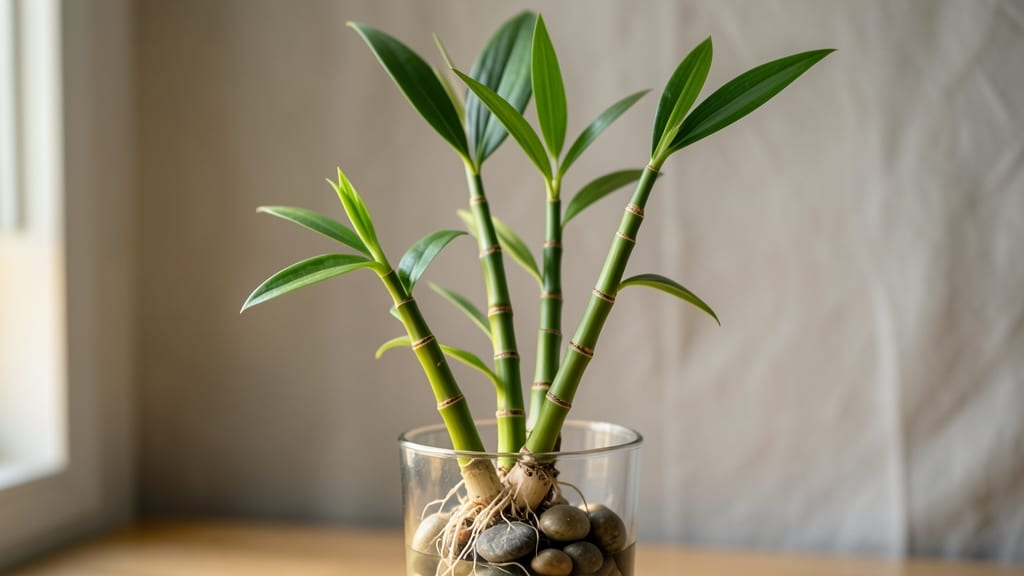
If you’ve ever wondered how tall a lucky bamboo plant can grow—whether it’s a delicate desk plant or a bold statement piece—you’re not alone. The answer isn’t one-size-fits-all, because this plant’s height depends on its variety, care, and even the container you choose.
From dainty 1-foot braided stems to stunning 6-foot giants, lucky bamboo’s growth potential is more flexible than most people realize. The key lies in understanding which varieties reach sky-high and how simple adjustments—like light exposure or pruning—can steer its growth in the direction you want.
Whether you’re aiming for a compact centerpiece or a dramatic vertical accent, I’ll break down the science behind lucky bamboo’s height limits. You’ll learn how to encourage (or gently rein in) its growth without sacrificing its health or that signature lucky charm.
Let’s dive into the secrets behind this plant’s surprising versatility—and how to make it thrive at exactly the height you’ve always envisioned.


Lucky bamboo height limits by variety: which grows tallest?
Lucky bamboo (Dracaena sanderiana) is famous for its adaptability, but its height potential depends entirely on the variety and care conditions. Some types stay compact at just 12 inches, while others can tower to 6 feet or more under ideal conditions.
Let’s break down the height ranges for the most popular varieties and what influences their growth.
Understanding these differences helps you choose the perfect variety for your space—whether you want a small desk plant or a floor-filling statement piece. The key factors affecting height include container size, light exposure, and water quality.
Even within the same variety, these variables can shift growth by 2-3 feet over time.
| Variety | Mature Height Range | Growth Rate | Best For |
|---|---|---|---|
| Standard Lucky Bamboo | 3–6 feet | Slow to moderate (6–12 inches/year) | Large spaces, floor decor |
| Braided Lucky Bamboo | 2–4 feet | Moderate (8–10 inches/year) | Desk centers, shelves |
| Golden Lucky Bamboo | 1–3 feet | Slow (4–8 inches/year) | Small pots, windowsills |
| Ribbon Lucky Bamboo | 1.5–3.5 feet | Moderate (6–10 inches/year) | Hanging planters, shelves |
| Miniature Lucky Bamboo | 6–12 inches | Very slow (2–4 inches/year) | Desks, terrariums |
The standard lucky bamboo variety is the tallest, often reaching 6 feet in ideal conditions with plenty of indirect light and a deep container. This makes it perfect for floor displays or as a natural room divider.
If you’re working with limited space, the miniature variety stays under 12 inches, making it ideal for desk decor or small shelves.
For those who love the braided look, the braided variety typically maxes out around 4 feet but grows faster than standard types. This variety is a fan favorite for gift-giving because it’s both compact enough for homes and visually striking.
The golden lucky bamboo, with its yellow-green stripes, stays shorter but adds a bright pop of color to any room.
Light plays a huge role in height control. While lucky bamboo thrives in low to bright indirect light, direct sunlight can cause leaf scorch and stunted growth. Place your plant near a north-facing window for optimal height development without risking damage.
If you notice yellowing leaves, it’s a sign your plant is getting too much direct sun.
Container size also affects height. Lucky bamboo grows taller in deeper containers because the roots have more room to spread and absorb nutrients. If you want to limit height, choose a shallow, wide pot to encourage bushier growth.
For maximum height, opt for a tall, narrow vase—just ensure it has drainage holes to prevent root rot.
One common misconception is that lucky bamboo grows faster in water than in soil. While it’s true that lucky bamboo is often sold in water, it actually grows slower without nutrients.
For faster height growth, repot your plant in a well-draining soil mix and use a balanced fertilizer every 2-3 months. This can increase growth by up to 30% compared to water-only cultivation.
If you’re growing lucky bamboo outdoors in USDA Zone 10 or warmer, it can grow even taller—sometimes exceeding 7 feet—thanks to higher humidity and natural light cycles. However, outdoor growth requires protection from frost and direct afternoon sun, which can burn the leaves.
For those who love experimental growing, try propagating lucky bamboo from cuttings. Each cutting can grow into a new plant, and by controlling the container size and light exposure, you can create a custom height collection—from tiny tabletop plants to tall floor statements. 🌿
How to control lucky bamboo height: pruning, light, and container tips
Controlling your lucky bamboo height starts with understanding its growth triggers. Unlike traditional bamboo, this plant grows slowly—typically 6-12 inches per year—but you can accelerate or restrict growth with simple adjustments.
For example, placing it near a bright window (without direct sun) can boost height by 30% in a year, while tight containers naturally stunt growth.
If your lucky bamboo is growing too tall for its space, pruning is the easiest solution. Simply trim the topmost stems just above a leaf node using clean, sharp scissors. The plant will redirect energy to side shoots, creating a fuller, bushier appearance while keeping the overall height manageable.
For braided varieties, avoid cutting the braided section—focus on the new growth tips instead.
Here’s how to adjust your care routine for height control:
Pro Tip for Height Control
To slow growth, use a smaller container (e.g., 6-inch pot) and reduce water slightly. For faster growth, upgrade to a 10-12 inch pot and place in bright indirect light. Avoid overwatering—root rot stunts growth permanently.
Light exposure is another critical factor. Lucky bamboo thrives in indirect light, but too little light leads to stunted, leggy growth, while too much direct sun causes leaf scorch.
Position your plant 2-3 feet from a north-facing window for optimal height without stress. If you notice yellowing leaves, it’s a sign of excess light—move it farther away immediately.
Container size directly impacts height. Lucky bamboo grows best in snug pots—too much space encourages rapid, unchecked growth.
For standard varieties, a 6-8 inch pot is ideal for controlling height, while tall varieties (like golden lucky bamboo) need 10-12 inch pots to reach their full 4-6 foot potential. Always use pots with drainage holes to prevent waterlogging, which can halt growth entirely.
For outdoor cultivation in USDA Zone 6a, lucky bamboo can grow up to 6 feet tall in a year if planted in partial shade with well-draining soil. However, it’s not cold-hardy—bring it indoors before temperatures drop below 50°F.
In containers, outdoor growth is 2-3 times faster than indoors due to natural humidity and nutrient-rich soil, but watch for pests like spider mites, which can stunt growth.
Remember, lucky bamboo’s height is 100% manageable with the right care. Whether you want a compact desk plant or a tall statement piece, adjust your light, container size, and pruning to match your vision. With patience, your lucky bamboo will thrive at your desired height—no guesswork required! 🪴