
How To
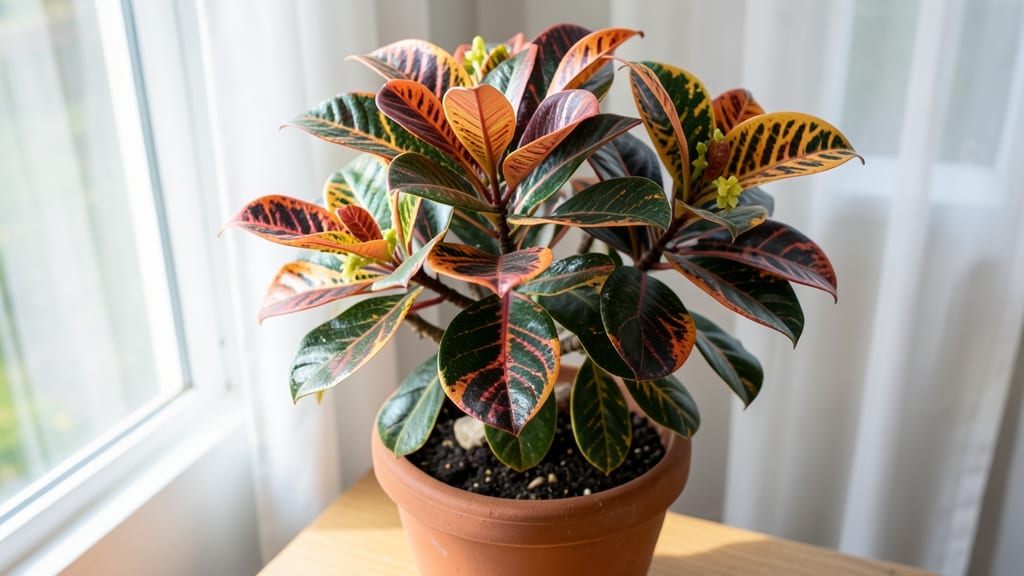
Wondering how tall does a croton plant grow before it turns your space into a tropical jungle?
The answer might surprise you—these vibrant 🌿 plants can range from a modest 1-2 feet for dwarf varieties to a towering 6 feet for their larger cousins, depending on where you grow them and how you care for them.
If you're dreaming of a croton that stays compact and manageable, you're in luck—some varieties are perfect for small spaces or containers, while others thrive as bold statement plants in gardens.
The key to controlling their height lies in understanding their natural growth habits and a few simple care tricks that can keep them from outgrowing their welcome.
Whether you're a beginner gardener or a seasoned plant parent, knowing how to manage a croton's size will help you create the perfect look for your home or garden.
Let's explore the different heights you can expect from these stunning plants and how to keep them thriving at just the right size for your space.
From pruning tips to choosing the right variety for your needs, I'll walk you through everything you need to know to ensure your croton grows to the perfect height—without taking over your entire room or yard. Ready to get started?


Croton plant height by variety: compact to towering growth ranges
Crotons (Codiaeum variegatum) are famous for their vibrant foliage, but their height varies dramatically depending on the variety. Some stay petite enough for a windowsill, while others grow tall enough to rival small trees.
Understanding these differences helps you choose the perfect croton for your space—whether it's a cozy corner or a sunny patio.
Most standard croton varieties reach 3 to 6 feet tall when mature, but dwarf and semi-dwarf types can stay under 3 feet. The key to managing height lies in the variety, growing conditions, and pruning habits. Let’s break down the most popular types and their expected growth ranges.
Visual Comparison: Here’s how croton varieties grow from juvenile to mature stages. Use this as a reference for what to expect as your plant develops.
Notice how outdoor crotons grow taller than their indoor counterparts? This is because outdoor plants receive more sunlight, nutrients, and space to stretch. If you’re growing crotons indoors, expect 1–2 feet less height compared to outdoor conditions.
For example, the 'Mammoth' variety can reach 6 feet indoors but may soar to 8 feet outdoors with ideal growing conditions. Meanwhile, the 'Petra' croton stays compact and is perfect for small spaces or as a tabletop plant.
Another factor affecting height is whether your croton is grown in a container or garden bed. Container-grown crotons often stay shorter because their root growth is restricted, while those planted in the ground can spread their roots freely, encouraging taller growth.
If you’re worried about a croton outgrowing its space, don’t fret—pruning and training can help control its height. In the next section, I’ll share my top tips for keeping your croton at your desired size while maintaining its lush, vibrant foliage.
🌿
How to control croton plant height: pruning, training & care tips
Want to keep your croton plant at a manageable height or encourage it to grow taller? The secret lies in pruning techniques and care adjustments that shape its growth. Unlike some plants, crotons respond beautifully to pruning, making them one of the easiest tropical plants to train.
By cutting back leggy stems or pinching new growth, you can control height while encouraging a fuller, bushier shape.
For indoor crotons, pruning is especially useful if you notice your plant stretching toward light sources—a classic sign of etiolation. This happens when your plant isn’t getting enough light, causing it to grow tall and weak.
The fix? Move it closer to a south-facing window or supplement with a grow light, then prune to redirect energy into leaf production rather than vertical growth.
🌿
Use clean, sharp pruning shears to trim back leggy stems by one-third to one-half. Cut just above a leaf node to encourage branching. For a bushier look, trim the top growth to force lateral shoots.
Use a small trellis or stake to guide tall varieties like 'Mammoth' upward. Tie stems gently with soft plant ties to prevent damage while encouraging vertical growth.
Use a balanced 10-10-10 fertilizer every 4-6 weeks during spring and summer. Reduce feeding in fall to slow vertical growth and promote compactness.
Turn your plant quarter-turns every week to ensure even light exposure. This prevents lopsided growth and keeps your croton balanced.
If your croton outgrows its pot, repot into a container just 1-2 inches larger to encourage root growth rather than rapid vertical expansion.
One common mistake I see is over-pruning, which can stress the plant and lead to sparse foliage. Instead, aim for moderate pruning—trim only what’s necessary to maintain your desired shape.
For example, if you want a 3-foot-tall croton, prune back any stems that exceed this height by a few inches. This keeps the plant healthy while staying within your space constraints.
For outdoor crotons, height control is easier since they naturally grow taller in garden beds. However, if you’re growing them in containers outdoors, the same pruning rules apply.
Just be sure to prune after the last frost in your area (typically April 15 in most regions) to avoid damaging new growth.
Finally, remember that crotons thrive on consistency. Whether you’re pruning for height control or encouraging vertical growth, stick to a regular care routine.
With the right balance of light, water, and pruning, your croton will grow to the perfect height—whether that’s a compact 2 feet or a striking 6 feet.
✂️