
How To
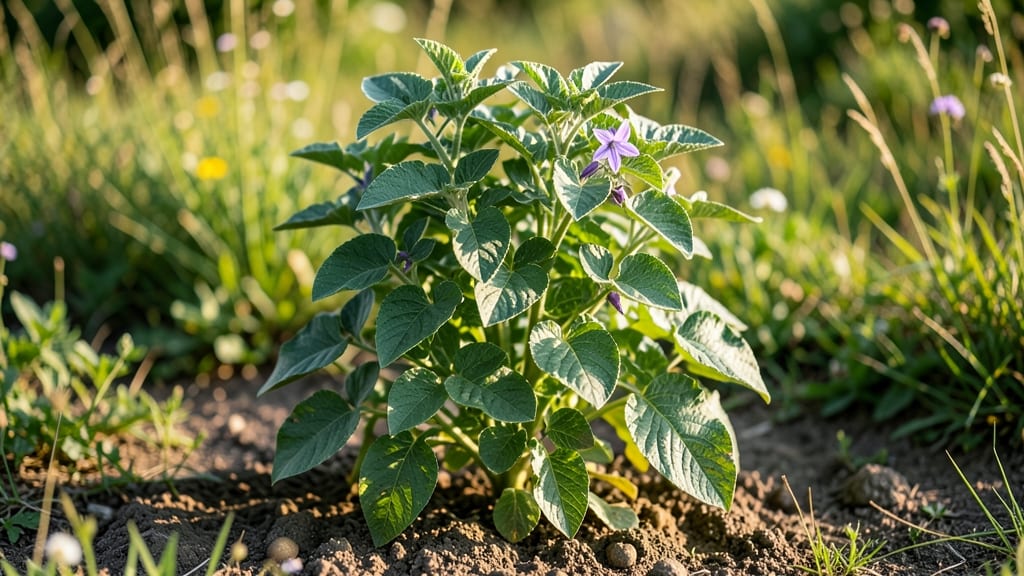
If you’ve ever wondered how tall does a potato plant grow, the answer might surprise you—because the height of your 🥔 plants isn’t just about space, it’s about strategy.
Some varieties barely peek over a standard kitchen counter, while others stretch toward the sky, and getting the spacing wrong could mean smaller harvests or tangled vines. The good news?
Knowing these details lets you plan your garden like a pro, whether you’re working with a backyard plot or a tiny balcony container.
Most potato plants reach heights between 1 and 3 feet, but the real secret lies in the variety. Dwarf types like ‘Yukon Gold’ stay compact, while taller varieties like ‘Russet Burbank’ can tower, demanding more room to thrive.
Even the soil and sunlight play a role—too little space or poor drainage can stunt growth, while rich, loose soil helps them reach their full potential. The key is balancing these factors to maximize both height and yield.
But here’s the twist: the height of the foliage doesn’t tell the whole story. What’s really happening underground is just as important. Tubers form along the stems, and crowding can lead to smaller, misshapen potatoes.
That’s why hilling soil (piling it around the stems) isn’t just a trick—it’s a game-changer for both plant height and harvest size. Let’s break down how to get it right, from variety selection to space-saving hacks.
Ready to turn your garden into a potato powerhouse? I’ll show you how to choose the perfect varieties for your space, avoid common pitfalls, and even grow potatoes vertically if you’re short on square footage.
Whether you’re a seasoned gardener or just starting out, these tips will help you grow healthier, happier plants—and a bigger harvest.


Potato plant height by variety: from dwarf to giant types
Potato plants may not look like towering giants, but their foliage height can vary dramatically—from barely waist-high to over 3 feet tall. The key difference? Variety. While most gardeners focus on tuber size, the above-ground growth determines spacing, trellising needs, and even yield potential.
Understanding these differences helps you avoid overcrowding or wasting precious garden real estate.
For example, new potato varieties like 'Red Pontiac' or 'Yukon Gold' typically reach 18-24 inches at maturity, making them ideal for small gardens. Meanwhile, heirloom types such as 'Kennebec' or 'Russet Burbank' can shoot up to 36 inches or more, requiring deeper soil and wider spacing.
The secret? Hilling soil encourages deeper tuber formation while controlling foliage height.
Here’s the breakdown you need to plan your potato patch:
Why does this matter? Taller varieties like 'Kennebec' need deeper soil (at least 12 inches) to develop large tubers without bending. Shallow soil forces tubers to grow upward, creating green, toxic potatoes from sunlight exposure.
Meanwhile, dwarf types like 'Red Norland' thrive in 5-gallon containers or raised beds with just 6–8 inches of soil.
Pro tip: If you love heirloom potatoes but lack space, try hilling soil every 2–3 weeks. This technique—piling soil around the stems—encourages deeper tuber growth while keeping foliage manageable. It’s a game-changer for tall-growing varieties in small gardens.
One common misconception is that taller plants = bigger potatoes. Not true! The tuber size depends on soil depth, nutrients, and variety—not just foliage height. For instance, 'Adirondack Blue' (a tall variety) produces smaller but flavorful potatoes compared to 'Russet Burbank,' which grows taller but yields larger tubers.
For urban gardeners, foliage height becomes even more critical. A 3-foot-tall plant in a 5-gallon pot will flop over without support. That’s why I always recommend cage-like trellises or wire mesh for tall varieties in containers. It’s not just about aesthetics—proper support prevents disease by improving airflow.
Let’s say you’re choosing between 'Yukon Gold' (medium height) and 'Purple Viking' (tall). The Yukon Gold will fit neatly in a 12-inch-wide row, while the Purple Viking needs 18 inches of space to avoid competition.
That extra 6 inches could mean the difference between a bountiful harvest and stunted growth.
Remember: Potato plants grow tall for a reason—their foliage collects sunlight to fuel tuber development. But if you’re growing in low-light conditions, even medium-height varieties may struggle. That’s why I always pair tall varieties with south-facing garden spots or grow lights for container setups.
How to maximize small spaces: growing potatoes vertically & in containers
If your garden space is limited, don’t let that stop you from growing potatoes! With the right techniques, you can grow these versatile tubers in containers or vertically, saving space without sacrificing yield.
I’ve successfully grown potatoes in 5-gallon buckets on my balcony and even in a DIY trellis system—here’s how you can too.
Vertical growing is perfect for urban gardeners or those with small yards. By training potato vines upward, you free up ground space for other crops. Plus, elevated plants often produce cleaner tubers since they’re less likely to come into contact with pests or damp soil.
The key is choosing the right variety and container setup for your needs.
🌱 Best Varieties for Small Spaces:
- Yukon Gold (compact, great for containers)
- Red Pontiac (early maturing, space-efficient)
- Fingerling potatoes (naturally small, ideal for tight spaces)
Step-by-Step Guide to Growing Potatoes Vertically
- Choose a container: Use a 5-gallon bucket, fabric grow bag, or DIY wire cage (at least 12 inches deep). Drill drainage holes if using plastic.
- Layer with organic matter: Fill the bottom with compost or straw (6 inches deep) to encourage tuber formation.
- Plant seed potatoes: Place 2-3 seed potatoes (cut into chunks with eyes facing up) on top of the layer. Cover with 2 inches of soil.
- Add a trellis or cage: Wrap vines around a chicken wire trellis or plastic lattice as they grow. Secure with soft ties.
- Hill soil gradually: When vines reach 6 inches tall, add 2-3 inches of soil around the base. Repeat every 2-3 weeks until the container is full.
- Harvest carefully: Gently remove tubers from the sides of the container once foliage yellows. Avoid digging to prevent damage.
Pro Tip: Use a black container to absorb heat and speed up growth in cooler climates.
For container growing, spacing is critical. Place seed potatoes 12 inches apart in a 5-gallon bucket, or use a larger container (10+ gallons) for 3-4 plants. If growing in-ground but vertically, space plants 18-24 inches apart to allow vines room to climb.
Remember, the tubers form underground, so your container must be deep enough to accommodate their growth.
One common mistake I see is overcrowding containers, which leads to stunted growth and disease risk. Always follow the 1 plant per 5 gallons rule for best results. If you’re short on space, opt for fingerling varieties, which produce smaller tubers but thrive in tight quarters.
Vertical potato growing isn’t just for small spaces—it also makes harvesting easier. Since tubers form along the stems, you can gently pull vines down and collect potatoes without digging. This method also reduces pest pressure, as tubers are less exposed to soil-borne insects like wireworms.
Ready to try it? Start with a small test batch in a container this spring, and you’ll be amazed at how much you can grow in limited space! With the right setup, you could yield 5-10 pounds of potatoes per 5-gallon container—enough for a family of four.