
How To
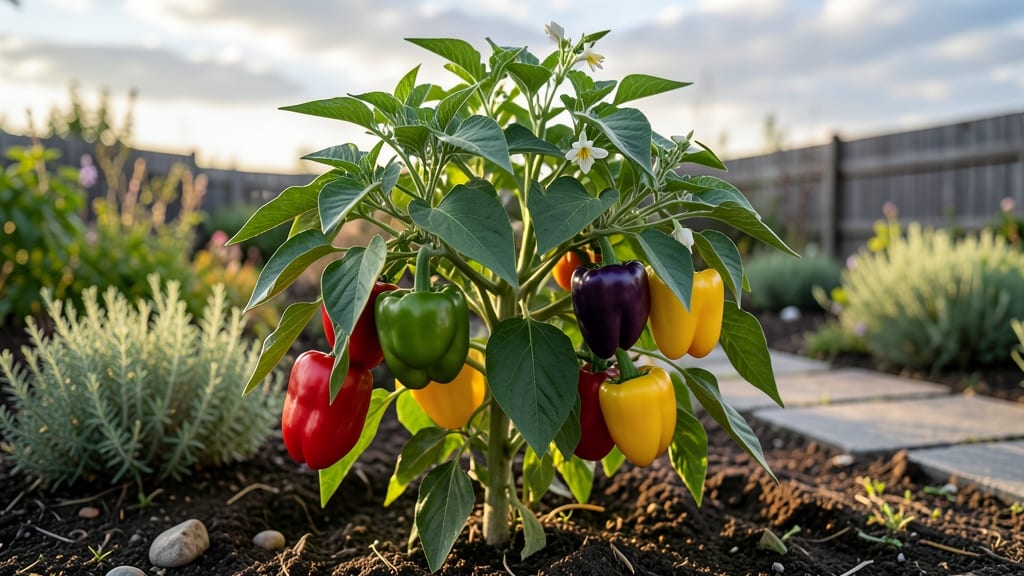
If you're wondering "how tall does a bell pepper plant grow", the answer might surprise you—these 🌶️ plants can range from compact 1-foot dwarfs to towering 4-foot giants, depending on the variety.
Whether you're working with limited space or dreaming of a bountiful garden, knowing the height range is key to planning your layout and support structures.
For beginners, the most common bell pepper varieties like 'California Wonder' typically reach 3 to 4 feet, while bush types stay shorter at 2 to 3 feet. But don't let their size fool you—even compact varieties can produce a surprising number of peppers if given the right care.
The key is understanding their growth habits early so you can adjust your garden setup accordingly.
In this guide, I'll break down the height differences between dwarf, standard, and giant bell pepper plants, plus share practical tips for managing their growth. Whether you're growing in containers or a full garden bed, you'll learn how to support your plants for maximum yield without sacrificing space.
Let's get started!
From choosing the right variety for your space to mastering pruning techniques, you'll discover how to keep your bell peppers thriving—no matter how tall they grow. Ready to transform your garden into a pepper paradise? Let's dive in!


Bell pepper plant height ranges: dwarf to giant varieties explained
Bell pepper plants come in a surprising range of heights, from compact bush varieties that fit neatly in containers to tall, sprawling types that need room to stretch. Understanding these differences helps you choose the right variety for your space—whether it's a balcony garden or a sunny backyard plot.
Most standard bell peppers reach 3 to 4 feet tall, but some dwarf varieties stay under 2 feet, while others can exceed 4 feet without support.
The height of your bell pepper plant depends on its genetic variety, pruning habits, and whether you provide support structures like cages or trellises.
For example, the 'Jupiter' pepper stays compact at 18 to 24 inches, while 'California Wonder' can grow 3 to 4 feet tall and needs staking. Even within the same variety, growth habits can vary based on growing conditions like sunlight and soil fertility.
| Variety Type | Height Range | Growth Habit | Best For |
|---|---|---|---|
| Dwarf Varieties | 12–24 inches | Bush-type, compact | Containers, balconies, small gardens |
| Standard Varieties | 24–36 inches | Bush to semi-vining | In-ground beds, raised beds |
| Tall/Vining Varieties | 36–48+ inches | Vining, needs support | Trellises, cages, large gardens |
If you're growing bell peppers in containers, stick to dwarf or bush varieties like 'Pepperoni' or 'Lunchbox', which thrive in 5-gallon pots and stay under 2 feet tall.
These varieties are bred to be self-supporting and don’t require staking, making them ideal for patio gardens or windowsill growing.
For larger spaces, standard varieties like 'King of the North' or 'Black Beauty' can reach 3 to 4 feet and benefit from cages or trellises to keep them upright and organized.
For those with vertical gardening space, consider vining varieties like 'California Wonder' or 'Early Cal Wonder', which can grow 4 feet or taller when given proper support. These types produce heavier fruit loads and need trellises or stakes to prevent sprawling.
Without support, they may flop over, leading to poor air circulation and increased risk of disease. Always check the seed packet or plant tag for height expectations—this is your best guide to selecting the right variety for your setup.
Another factor influencing height is pruning. Regularly pinching off side shoots can encourage a bushier, more compact growth habit, while leaving plants unpruned often results in taller, leggier growth.
If you’re growing for maximum yield, you might opt for a less aggressive pruning approach, allowing the plant to focus energy on fruit production rather than height. However, if space is limited, pruning is a great way to control growth and keep plants manageable.
Soil quality and nutrient availability also play a role in how tall your bell pepper plants grow. Plants grown in poor soil or lacking essential nutrients like nitrogen may become stunted and fail to reach their full height potential.
Amend your soil with compost or balanced fertilizer (like 10-10-10) at planting time and side-dress mid-season to support healthy growth. Over-fertilizing with nitrogen can lead to excessive foliage at the expense of fruit production, so always follow package instructions.
Finally, sunlight exposure directly impacts height. Bell peppers need at least 6 to 8 hours of direct sunlight daily to grow vigorously. In shady conditions, plants may become taller and leggier as they stretch toward light, often producing smaller fruit.
If you’re growing in containers or limited spaces, place them in the sunniest spot available—even a south-facing window can work for dwarf varieties. For outdoor gardens, rotate containers weekly to ensure even growth.
Whether you're a beginner gardener with limited space or an experienced grower looking to maximize yield, choosing the right bell pepper variety—and providing the right support—is key to success.
With the right setup, you can enjoy homegrown peppers year after year, no matter how much (or little) space you have to work with. Start by selecting a variety that matches your growing conditions, and don’t forget to monitor growth habits as the season progresses!
Bell pepper plant height ranges: dwarf to giant varieties explained
Bell pepper plants can range from compact bush varieties under 2 feet to towering vines reaching 4 feet or more. The height depends entirely on the variety—some are bred to stay small for containers, while others grow tall for maximum fruit production.
Understanding these differences helps you choose the right type for your space and growing setup.
Most standard bell pepper varieties mature between 3 and 4 feet tall, making them ideal for garden beds with 18–24 inches of spacing between plants. These are the types you’ll find at most nurseries, like 'California Wonder' or 'King of the North.'
If you’re short on space, dwarf varieties can save the day with heights as low as 1–2 feet.
Here’s a quick breakdown of what to expect from bell pepper plants based on their growth habits:
| Variety Type | Height Range | Growth Habit | Best For |
|---|---|---|---|
| Dwarf/Bush | 1–2 feet | Compact, no support needed | Containers, balconies, small gardens |
| Semi-Dwarf | 2–3 feet | Bushy but may need light staking | Raised beds, small plots |
| Standard | 3–4 feet | Tall, may need trellising | Garden beds, larger spaces |
| Vining/Giant | 4+ feet | Indeterminate growth, needs support | Trellises, large gardens |
Tall varieties like 'Black Beauty' or 'Monarch' can grow over 4 feet if left unchecked, while bush types like 'Pepperoni' stay neatly under 2 feet.
The key difference lies in their growth habits: bush varieties stop growing once they reach maturity, while vining types keep producing new branches and peppers all season long.
If you’re growing in containers or small spaces, prioritize dwarf or semi-dwarf varieties. These are bred to stay compact, making them perfect for patios or windowsills.
For larger gardens, standard or vining types will give you bigger yields—but you’ll need to plan for their height with cages, stakes, or trellises.
Remember, even within a single variety, height can vary based on growing conditions. Plants in full sun and rich soil tend to grow taller and produce more fruit, while those in shadier spots or poor soil may stay shorter.
Pruning also plays a role—removing excess branches can redirect energy to fruit production rather than vertical growth.
For the best results, always check the seed packet or plant tag for height expectations. This small step ensures you’ll choose a variety that fits your space and growing goals—whether you’re aiming for a windowsill harvest or a backyard pepper patch. 🌱