
How To
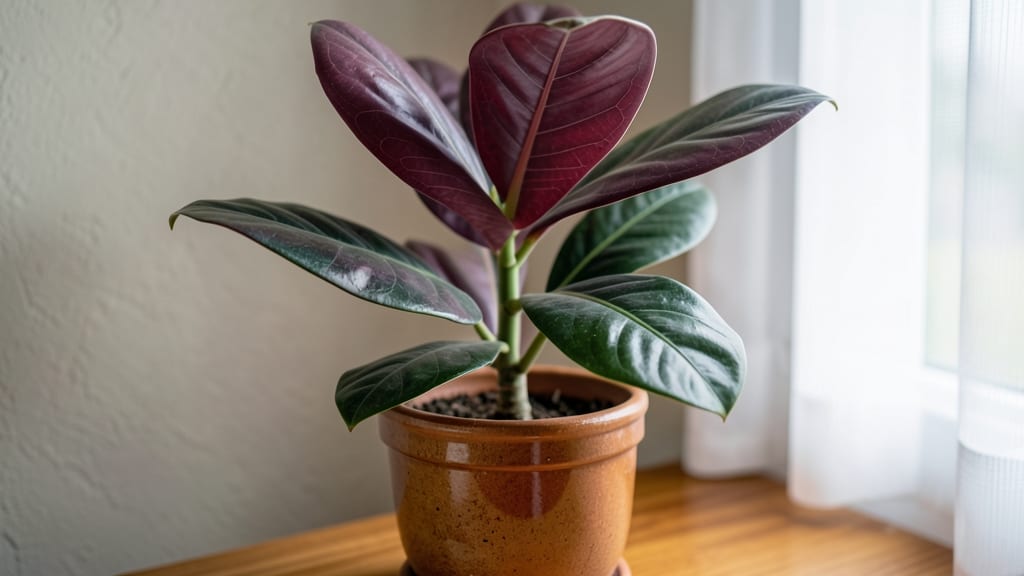
If your rubber plant needs how much light to thrive—drooping leaves, sparse growth, or faded variegation—chances are, its lighting isn’t quite right. The right balance of light isn’t just about survival; it’s the key to vibrant, lush growth that turns heads in any room.
Most people assume rubber plants are low-maintenance, but the truth is, they’re picky about their lighting. Too little leaves them weak and leggy, while too much can scorch those gorgeous leaves you love.
I’ve spent years perfecting the ideal setup, and what I’m about to share will transform your plant’s health in just a few adjustments.
You’ll discover exactly how many hours of light your rubber plant needs—whether it’s basking in morning sun or thriving under artificial grow lights. We’ll also cover the subtle signs your plant is begging for more (or less) light, so you can act before damage sets in.
Ready to unlock the secret to a thriving rubber plant? Let’s dive into the lighting strategies that’ll have your plant looking its best year-round—no guesswork required.

Optimal light hours for rubber plant growth by variety
Rubber plants (Ficus elastica) thrive in bright indirect light, but their exact needs vary by variety. Whether you have the classic ‘Decora’ or the stunning ‘Variegata’, understanding light requirements ensures lush, vibrant growth.
Too little light leads to leggy stems, while too much causes leaf scorch—so finding that sweet spot is key!
The ‘Variegata’ variety, with its striking white and pink streaks, demands the most light—4-6 hours of bright indirect light daily. Without enough light, its variegation fades, and leaves lose their bold patterns.
Meanwhile, the deep burgundy ‘Burgundy’ variety tolerates slightly lower light (3-4 hours), making it ideal for dimmer corners.
Here’s how to match your rubber plant’s variety to its ideal light exposure for maximum health and beauty:
For variegated varieties, like ‘Variegata’, position your plant near an east-facing window where it gets gentle morning sun. West-facing windows work too, but use a sheer curtain to diffuse the harsh afternoon rays.
In winter, when daylight is shorter, supplement with a 12-hour LED grow light to maintain energy levels.
If your rubber plant starts developing yellow leaves or stretched stems, it’s a cry for more light. Rotate the pot quarter-turns weekly to ensure even exposure, especially if your home has uneven lighting.
For ‘Decora’ and ‘Burgundy’, a north-facing window or a spot 3-5 feet from a south-facing window is perfect.
Pro tip: Dust your plant’s leaves monthly—dust blocks light absorption, so a quick wipe with a damp cloth keeps those leaves soaking up every ray. Your rubber plant will reward you with glossy, vibrant foliage and slower growth cycles, proving that the right light makes all the difference!
🌿
Signs your rubber plant isn’t getting enough light (and how to fix it)
Your rubber plant’s leaves whisper secrets about its light needs—pay attention to their color, shape, and growth patterns. If yours is stretching tall and thin with sparse leaves, it’s begging for more light.
This leggy growth happens when your plant reaches toward light sources, weakening its structure and dulling variegation.
Another red flag? Pale or yellowing leaves, especially on the undersides. When your rubber plant doesn’t get enough light, it can’t produce sufficient chlorophyll, leading to weak, pastel-colored foliage. Even the stunning variegated varieties like ‘Variegata’ will lose their cream or pink streaks if starved of light.
🌱 Pro Tip: Rotate your plant quarter-turns every 2 weeks to ensure even light exposure. This prevents one-sided growth and helps maintain a full, bushy shape.
⚠️ Warning: Overlooking Light Needs Can Kill Your Plant
Ignoring these signs can lead to permanent damage. Without intervention, your rubber plant may develop brown leaf tips (from stress) or even drop leaves entirely. The good news? Adjustments are simple—just move it closer to a bright window or add a grow light.
For variegated rubber plants, watch for lost patterns—the cream or pink sections may fade to plain green. This is your plant’s way of saying, “I need more light to show off my colors!” Even solid-colored varieties like ‘Burgundy’ will develop dull, flat leaves when underlit.
If your plant’s leaves feel soft or papery to the touch, it’s another clue. Healthy rubber plant leaves should be thick and firm. When they weaken, it’s often due to low light combined with overwatering—a deadly combo for these tropical plants.
💡 Quick Fix: Place your rubber plant within 3-5 feet of an east or north-facing window. If that’s not possible, supplement with a 12-inch LED grow light for 12-14 hours daily. Avoid south or west windows—direct afternoon sun can scorch leaves while still providing too much intensity.
Remember, rubber plants are adaptable, but they thrive in bright, indirect light. With the right adjustments, you’ll see darker green leaves, richer variegation, and a stronger, bushier plant within just a few weeks.