
Companion Plants
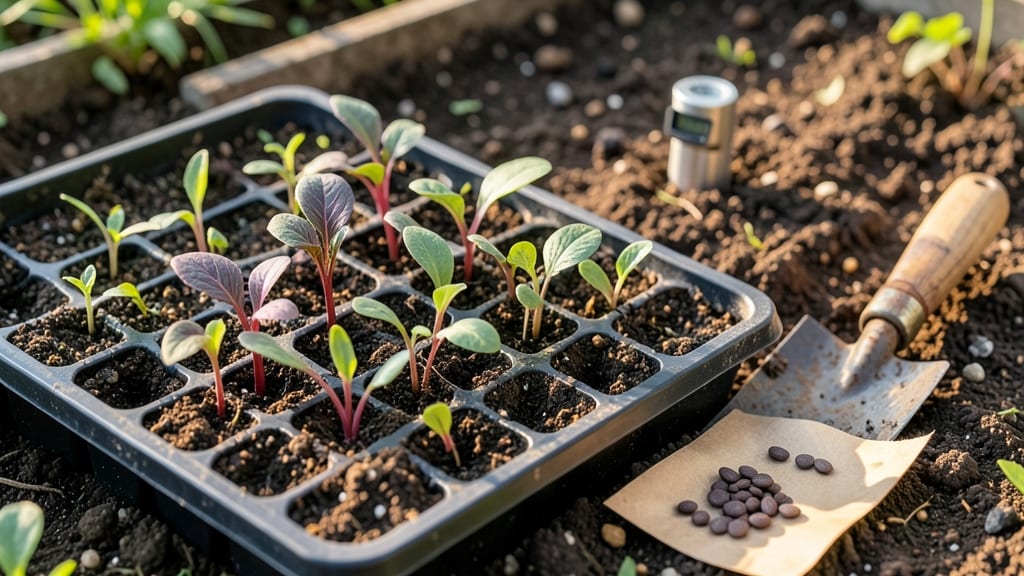
Knowing when to plant beets in Zone 6 can turn your garden from a gamble to a guaranteed harvest—especially when those vibrant 🍠 roots are just weeks away from the table.
Unlike heat-loving veggies, beets actually prefer cooler temperatures, but planting them too early risks frost damage, while waiting too long means bolting before you get your reward.
For Zone 6 gardeners, the sweet spot is 4-6 weeks before your last frost date, typically around early March to mid-April for spring plantings. But here’s the catch: beets are also happy in late summer (July-August), giving you a second chance to grow them before fall frost hits.
The key? Paying attention to soil temps—beets need earth that’s at least 50°F to germinate properly.
I’ll walk you through exactly how to time your plantings for both spring and fall, plus pro tips for succession planting so you’re never without fresh beets. Whether you’re a first-time gardener or a seasoned green thumb, these strategies will help you avoid common mistakes and maximize your harvest.
Ready to dig in? Let’s break down the perfect calendar for growing beets in your Zone 6 garden—so you can enjoy homegrown 🍠 goodness from June through November.

Zone 6 beet planting schedule: exact weeks before last frost by variety
Timing your beet planting in Zone 6 requires precision—especially since beets thrive in cool soil temperatures (50-70°F). The key is planting 4-6 weeks before your last frost date for spring harvests, or 8-10 weeks before first frost for fall crops.
In Zone 6, where last frosts typically hit mid-April, aim for March 1-15 for early spring plantings.
Beets are biennial plants that prefer consistent moisture and well-draining soil. Their 60-70 day maturity means you’ll need to plan for succession planting to enjoy a continuous harvest.
For example, if your last frost is April 15, plant your first round March 1-15 and follow up with 2-week intervals until May 1.
Not all beet varieties play well in Zone 6’s short growing season. Baby beets like 'Babybeat' mature in just 45 days, while storage beets like 'Detroit Dark Red' need 60-70 days. Chioggia beets, with their stunning pink-and-white rings, also thrive in cool weather but require careful timing to avoid bolting in summer heat.
Here’s how to calculate your exact planting window using your last frost date:
| Planting Window | Variety Type | Days to Maturity | Zone 6 Planting Month | Harvest Window |
|---|---|---|---|---|
| Early Spring | Baby Beets | 45-50 days | March 1-15 | May-June |
| Early Spring | Storage Beets | 60-70 days | March 15-April 1 | June-July |
| Late Summer/Fall | Chioggia Beets | 55-65 days | July 15-August 1 | September-October |
| Succession Planting | All Varieties | 45-70 days | Every 2 weeks until May 1 | June-November |
For fall harvests, plant Chioggia or Detroit Dark Red between July 15 and August 1. These varieties handle cooler fall temperatures better than heat-sensitive types.
Aim to harvest before first frost (mid-October in Zone 6), as beets left in the ground too long can develop woodiness or split.
If your last frost date varies (e.g., early April vs. late April), adjust planting by 1-2 weeks. Use a soil thermometer to confirm temperatures are above 50°F before sowing—cold soil slows germination and can lead to rot or poor growth.
Pro tip: Direct-sow seeds (never transplant seedlings) for best results. Beets hate root disturbance, so sow ½ inch deep, 1-2 inches apart, and thin to 3-4 inches when seedlings are 2 inches tall. This spacing ensures even-sized roots and reduces competition.
For gardeners in Zone 6a (colder microclimates), push spring planting to late March to avoid late frosts. In Zone 6b (warmer microclimates), you can start as early as mid-February under row covers or in a greenhouse.
🌱
Zone 6 beet planting schedule: exact weeks before last frost by variety
In Zone 6, beets thrive when planted 3-4 weeks before your last frost date in spring and again in late summer for fall harvests.
For most of Zone 6, this means starting seeds indoors or outdoors between March 15 and April 15 for spring, and direct-sowing outdoors from July 15 to August 15 for fall.
Your exact timing depends on your last frost date—typically mid-April in Zone 6a and early April in Zone 6b.
Beets are cool-season crops that bolt (go to seed) in heat, so timing is critical. Planting too early risks frost damage, while late planting may result in small, woody roots before harvest.
Use your frost-free days (about 165 days in Zone 6) to calculate when to start seeds for a continuous harvest.
| Variety | Spring Planting Window | Fall Planting Window | Days to Maturity | Notes |
|---|---|---|---|---|
| Baby Beets (e.g., 'Babybeat') | March 15 - April 15 | July 15 - August 15 | 45-50 days | Harvest small roots; great for succession planting. |
| Storage Beets (e.g., 'Detroit Dark Red') | March 20 - April 10 | July 20 - August 10 | 50-60 days | Plant early for larger roots; store in cool, dark place. |
| Chioggia (e.g., 'Chioggia') | March 25 - April 5 | July 25 - August 5 | 55-65 days | Striped variety; needs consistent moisture. |
| Golden Beets (e.g., 'Golden') | March 10 - April 20 | July 10 - August 20 | 50-60 days | Sweeter when harvested young; heat-tolerant. |
For spring planting, aim to sow seeds when soil temperatures reach 45°F (7°C). Use a soil thermometer to check—cold soils delay germination. In Zone 6, this usually aligns with late March to early April, but watch for late frosts, which can still occur in April.
If frost is forecasted, use row covers or plant in a protected microclimate, like near a south-facing wall.
Fall planting is all about succession planting to extend your harvest into October or November. Start seeds in late July for a 60-day harvest window before the first frost (typically mid-October in Zone 6).
Choose fast-maturing varieties like 'Babybeat' or 'Detroit Dark Red' to maximize your yield before cold sets in.
Pro tip: Mark your last frost date on your calendar and count backward. For spring beets, plant 3-4 weeks before; for fall beets, plant 8-10 weeks before your first frost.
This ensures you’ll have time to harvest before the ground freezes. Adjust for shortened days in fall by choosing cold-hardy varieties like 'Red Ace' or 'Cylindra'.
Don’t forget to thin seedlings to 3-4 inches apart once they sprout—crowded beets grow small and misshapen. Mulch with straw or grass clippings to retain moisture and regulate soil temperature, especially in Zone 6’s unpredictable spring.
With the right timing, you’ll enjoy crisp, sweet beets from June through November!