
Companion Plants
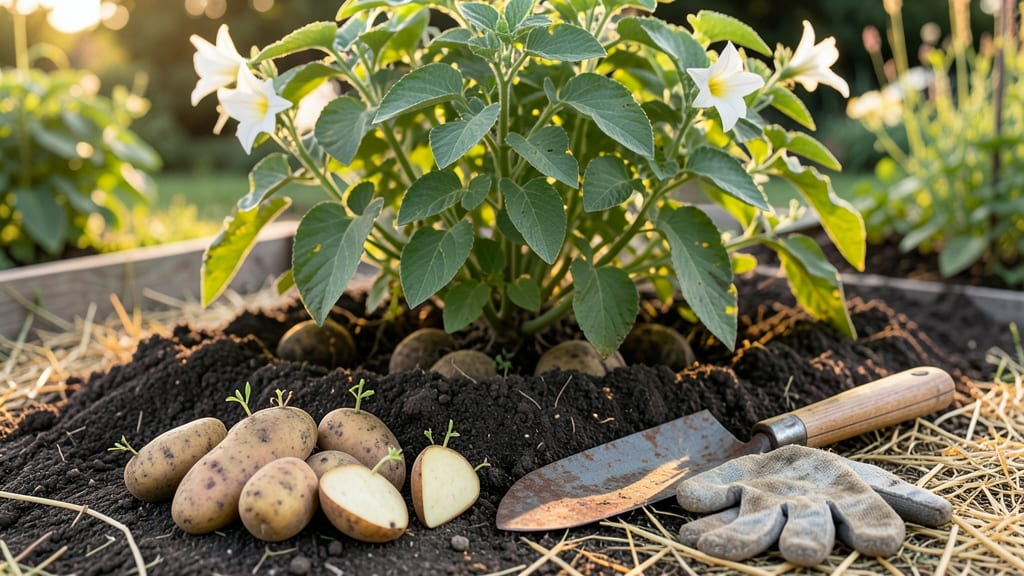
Knowing when to plant potatoes in Georgia can mean the difference between a bumper crop of crisp, golden spuds and a garden full of bitter, bolted plants that never reach their full potential.
Georgia’s unique climate—with its mild winters and unpredictable springs—demands precision timing to avoid the dreaded "bolt" (when potatoes flower too early and produce small, tough tubers).
Most gardeners in USDA Zones 7b-8b focus on two key windows: early spring (February to April) and fall (September to October). But without understanding chill-hour requirements, you might plant too early and trigger premature flowering, or too late and miss the ideal growing window.
The secret lies in matching your potato variety to Georgia’s specific chill-hour zones—something I’ll break down so you can plant with confidence.
In this guide, you’ll discover the exact planting schedule for your region, whether you’re in the Piedmont, Coastal Plain, or Appalachian foothills. We’ll cover soil prep, frost dates, and even container planting tips for urban gardeners.
By the end, you’ll know exactly when to get those 🥔 seed potatoes in the ground for maximum yield—and zero bolt risk.
Ready to turn your garden into a potato powerhouse? Let’s dive into the chill-hour science and planting strategies that work for Georgia’s climate.
Georgia’s chill-hour zones: the exact timing to avoid potato bolting
Potatoes are finicky about chill hours—the cumulative hours below 45°F they need to grow properly. In Georgia, where winters range from mild coastal to cool mountain climates, planting too early or too late triggers bolting (premature flowering). This ruins your harvest, turning sweet potatoes into bitter, inedible sprouts.
Georgia spans USDA Zones 7b-8b, with chill-hour ranges from 400-1,000+ hours. Coastal areas (like Savannah) often see 500-600 chill hours, while the North Georgia mountains (like Blue Ridge) can hit 1,000+ hours.
Matching your potato variety to your zone’s chill hours is the secret to a bumper crop.
Here’s how chill hours dictate your planting window: Early varieties (like Yukon Gold) need 300-400 chill hours and can go in late February in Zone 8a. Mid-season varieties (like Kennebec) require 500-600 chill hours and should wait until mid-March. Late varieties (like Russet) need 800+ chill hours and must wait until April.
🌱Pro Tip: Use a soil thermometer to confirm 45°F soil temps before planting—cold soil slows germination and invites rot.
| Georgia Region | Chill Hours (Below 45°F) | Ideal Planting Window | Best Varieties |
|---|---|---|---|
| Coastal (Savannah, Brunswick) | 400-600 hrs | Late Feb - Early Mar | Yukon Gold, Red LaSoda |
| Piedmont (Atlanta, Macon) | 600-800 hrs | Mid-Mar - Early Apr | Kennebec, Purple Majesty |
| North Georgia (Blue Ridge) | 800-1,000+ hrs | Early Apr - Mid-Apr | Russet, Fingerlings |
Georgia’s last frost dates vary wildly: February 15 in Zone 8a (coastal) but April 1 in Zone 7b (mountains). Planting 4-6 weeks before your local last frost ensures tubers form before heat stress triggers bolting.
For example, Atlanta gardeners should plant by March 15, while Savannah growers can start as early as February 1.
🌡️Warning: If your area gets unusually warm winters (like 2023’s mild season), delay planting until soil temps stay below 50°F for 2+ weeks. Use black plastic mulch to warm soil faster in cool zones.
Fall planting is another trick for Georgia’s long growing season. September-October plantings (like Sweet Potatoes) avoid spring bolting entirely. Choose early-maturing varieties (like Adirondack Blue) to harvest before first frost (typically November 15).
🌿Key Takeaway: Georgia’s chill-hour map is your planting GPS. Use it to pick varieties that match your region’s winter cold—coastal = early, mountains = late. Skip the guesswork and plant when soil temps hit 45°F consistently for 2 weeks.
Step-by-step planting schedule for Georgia’s climate variations
Georgia’s diverse climate—from the humid coastal plains to the cooler Appalachian foothills—means your potato planting window shifts dramatically depending on location. Urban gardeners in Atlanta’s USDA Zone 7b face different risks than those in Savannah’s Zone 8a, where mild winters delay chill accumulation.
Let’s break down the month-by-month schedule tailored to your microclimate.
For spring planting, aim to plant 4-6 weeks before your last frost date—typically mid-February to early April in most of Georgia. Coastal areas can start slightly earlier (late January), while mountain regions may wait until late March.
Fall planting (September-October) works in northern Georgia but risks heat stress in southern zones.
🌱 Georgia Potato Planting Timeline
- Late January–Early February (Coastal): Plant early varieties (e.g., Red LaSoda) in Zone 8a when soil reaches 50°F.
- Mid-February–Early March (Piedmont): Ideal for mid-season varieties (Yukon Gold) in Zone 7b with 400+ chill hours.
- Late March–Early April (Mountains): Plant late varieties (Kennebec) in Zone 6b after last frost risk passes.
- September (Northern GA): Fall planting works for early-maturing varieties (e.g., Irish Cobbler) with 90-day harvest.
- October (Coastal): Avoid planting—heat stress risks bolt even in fall varieties.
Urban gardeners with containers or raised beds can extend planting by 2–3 weeks—these microclimates warm faster. Fill containers with well-draining mix (50% compost, 50% potting soil) and plant seed potatoes cut into 1.5-inch chunks, ensuring each has at least one "eye".
Space them 12 inches apart in 5-gallon pots for full-size tubers.
After planting, hill soil around stems when they reach 6 inches tall—this prevents greening (toxic solanine buildup) and encourages deeper tuber formation. In sandy soils (common in coastal GA), add 2 inches of compost at hilling to retain moisture.
Avoid overwatering; potatoes rot faster than they grow in waterlogged soil.
Monitor for early bolting (flowering) after 60+ days—a sign your variety needs more chill hours. If this happens, harvest small tubers immediately or switch to late-season varieties next year.
In northern Georgia, you can even try a second fall crop of fast-maturing varieties like Red Norland if planted by mid-August.
Timing isn’t just about months—it’s about soil temperature. Use a soil thermometer to confirm 45–55°F before planting; colder soils delay sprouting. In Zone 8a, this might mean waiting until March even if frost risk is low. Patience here means larger yields and fewer diseased tubers.