
Companion Plants
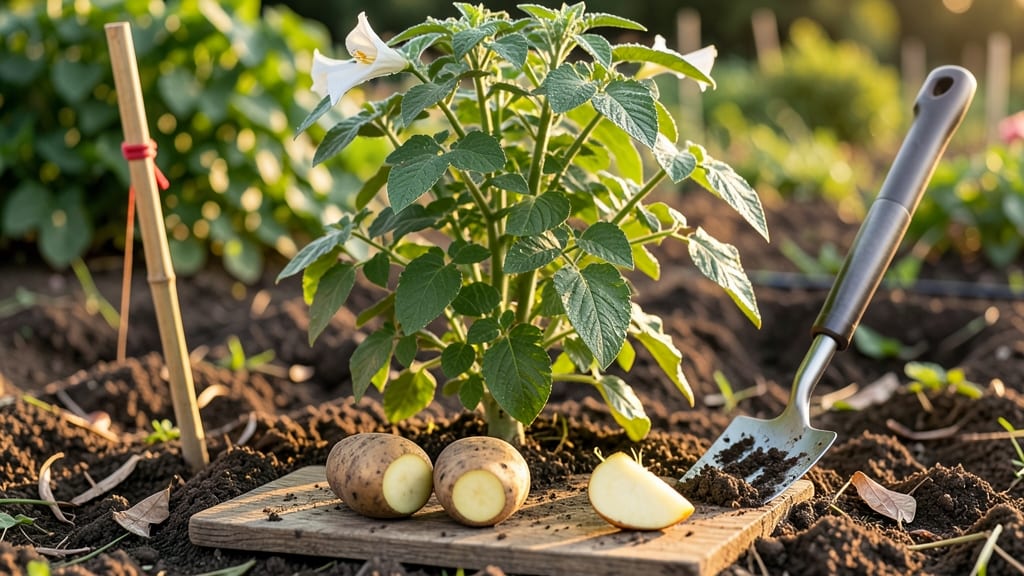
Planting potatoes in Zone 6b at the wrong time could mean the difference between a bumper crop of 🥔 and wasted effort. The key to success lies in understanding your local frost dates and soil conditions—because timing isn't just about the calendar, it's about the climate working with you.
In Zone 6b, where last frosts typically hit around mid-April, planting 2-4 weeks before that date gives your potatoes the head start they need. But here's the catch: rushing too early can leave young plants vulnerable, while waiting too long might cut your harvest short.
Let me break down the exact windows and strategies to get it right.
You'll discover how to adjust for unpredictable spring weather, choose the best varieties for your short growing season, and even extend your planting window with simple tools. Whether you're a first-time gardener or a seasoned grower, these insights will help you avoid common mistakes and maximize your potato yield.
From soil prep to frost protection, I'll walk you through every step to ensure your potatoes thrive from seed to harvest. Let's get started on your path to a garden full of homegrown spuds!

Zone 6B potato planting schedule: exact weeks before last frost for optimal growth
In Zone 6B, where average last frost dates fall around April 15, timing your potato planting is critical. Potatoes thrive when soil temperatures reach 45°F (7°C), but planting too early risks frost damage to tender sprouts.
Aim to plant 2-4 weeks before your last frost date for early varieties, or 3-5 weeks before for later-maturing types to ensure tubers have enough time to develop before summer heat sets in.
For Zone 6B gardeners, this typically means starting seed potatoes in late March for early harvests or early April for main-season varieties. The key is balancing soil warmth with frost risk—cold soil slows sprouting, while late planting may result in small tubers before the first frost in mid-October.
Let’s break down the exact planting windows for different maturity types to maximize your yield.
Soil temperature is just as critical as air temperature. Potatoes won’t sprout until the soil reaches 50°F (10°C), which in Zone 6B typically happens in late March to early April. Use a soil thermometer to confirm readiness—planting in cold soil delays growth and increases disease risk.
If your soil is still chilly, consider using black plastic mulch to warm it faster or opt for early-maturing varieties that tolerate cooler conditions.
Another key factor is frost risk. Even after your last frost date, late spring frosts can still occur in Zone 6B. Protect young plants with frost cloth or row covers if temperatures drop below 32°F (0°C) after planting.
This is especially important for early plantings, where tender sprouts are most vulnerable. I’ve found that planting 2-3 weeks after the average last frost date often gives young plants a buffer against unexpected cold snaps.
For container growing, adjust your timeline slightly. Pots warm up faster than garden beds, so you can plant 1-2 weeks earlier than in-ground potatoes. However, containers also dry out quicker, so monitor moisture closely.
Place pots in a south-facing location to maximize warmth and sunlight exposure, which accelerates growth and compensates for the shorter growing season in Zone 6B.
Don’t overlook the importance of soil preparation. Potatoes thrive in loose, well-draining soil with a pH between 5.0 and 6.5. Work in compost or aged manure before planting to improve fertility and structure.
In Zone 6B’s clay-heavy soils, adding sand or peat moss can prevent waterlogging, which leads to rot. I recommend amending the soil 2-3 weeks before planting to give nutrients time to integrate.
If you’re short on time, consider starter plants instead of seed potatoes. These are available at nurseries in late April and skip the chitting process, giving you a head start. However, they’re more expensive and less variety-specific. For home growers, chitting seed potatoes (pre-sprouting in a bright, cool
Zone 6B potato planting schedule: exact weeks before last frost for optimal growth
In Zone 6B, potatoes thrive when planted 2-4 weeks before your average last frost date, which typically falls around April 15. This timing ensures tubers develop strong roots before summer heat arrives.
For most of Zone 6B, that means starting seeds indoors in late February or planting seed potatoes directly in early March for early varieties.
Soil temperature is critical—potatoes won’t sprout until the ground reaches 45°F (7°C). Use a soil thermometer to confirm readiness, especially in colder microclimates. If frost lingers, opt for frost-resistant varieties like 'Kennebec' or 'Russet Burbank', which tolerate cooler soils better than delicate types.
🌱 Key Insight: Planting too early risks frost damage, while waiting too long shortens the growing season. Aim for 70-120 days to maturity, depending on your chosen variety.
Potato Planting Schedule Comparison for Zone 6B
| Variety Type | Planting Window | Days to Maturity | Best For |
|---|---|---|---|
| Early Season | Late Feb - Early Mar | 60-90 days | New potatoes, short season |
| Mid-Season | Early Mar - Mid-Mar | 90-110 days | Balanced yield, storage |
| Late Season | Mid-Mar - Early Apr | 110-120 days | Large tubers, long storage |
⚠️ Pro Tip: Adjust planting dates 2 weeks earlier if you use row covers or black plastic mulch to warm the soil.
For early-maturing varieties, like 'Red Norland' or 'Yukon Gold', plant as soon as soil is workable—even if frost is still possible. These types tolerate cooler conditions and produce harvestable tubers in 60-90 days.
If your spring is unpredictable, consider a successive planting strategy: plant early varieties first, then mid-season types 2-3 weeks later.
Zone 6B’s 165 frost-free days limit your window for late-season varieties like 'Idaho Russet'. To maximize yield, prioritize early and mid-season potatoes that mature before summer heat stress sets in. Avoid planting after May 1, as tubers may not fully develop before the first frost in mid-October.
Always check your local frost dates—they can vary by 1-2 weeks even within Zone 6B. Use the National Weather Service or a frost calendar for your specific county. For example, Northern Illinois may frost later than Western Virginia, so adjust accordingly.
🌱 Remember: Healthy soil = healthy potatoes. Amend beds with compost and a balanced fertilizer (10-20-20) at planting to encourage strong tuber formation.