
Flowers
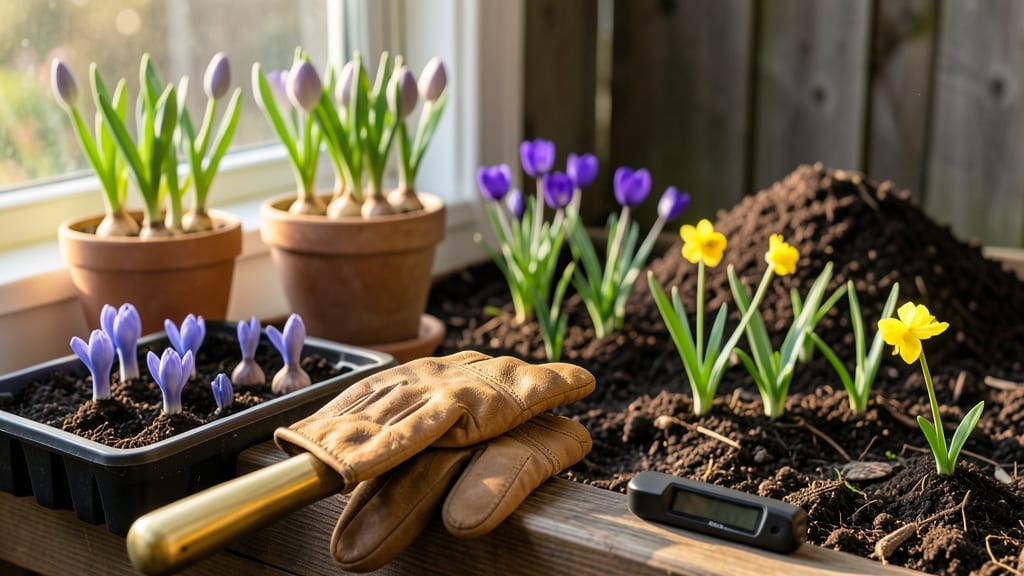
Timing your spring flower planting wrong can mean wilting dreams before blooms appear—but knowing the exact weeks before your last frost date transforms guesswork into guaranteed success.
In Zone 6a, where late frosts linger until April 15, planting too early risks frost damage, while waiting too long cuts your bloom season short.
Most gardeners aim to plant 2–4 weeks before the last frost, but the best window depends on whether you're growing hardy annuals like pansies or tender perennials like petunias. For 🌸 flowers in general, soil temperature is the real game-changer—wait until it hits 50°F to ensure roots establish without stress.
I’ll break down the perfect planting schedule for your region, including how to adjust for unpredictable spring weather. Whether you’re a first-time gardener or a seasoned pro, these tips will help you avoid common pitfalls and maximize your blooms.
Ready to turn your garden into a vibrant showcase? Let’s dive into the ideal timing and strategies that make all the difference in spring planting success.
Exact weeks before last frost to plant flowers by USDA Zone
Spring planting success hinges on your last frost date, which varies dramatically across the U.S. — from late April in Zone 3 to mid-March in Zone 10. Planting too early risks frost damage, while waiting too long can delay blooms.
The golden rule? Aim for 2–4 weeks before your last frost for cool-season flowers, or afterward for heat-lovers like petunias.
For example, in Zone 6a (like Chicago or Denver), your last frost typically falls around April 15. That means starting hardy annuals like pansies in early April, while tender perennials like geraniums should wait until May 1.
Use your USDA Zone map to pinpoint your exact window — and always check local weather trends for adjustments.
🌱
Cool-season flowers like pansies, snapdragons, and sweet peas thrive when planted 4–8 weeks before your last frost, as they tolerate light frosts. These bloomers often rebloom in fall if given proper care, making them a two-season bargain.
In contrast, warm-season favorites like marigolds and zinnias need soil temps above 60°F and should wait until 2–4 weeks after your last frost.
Regional microclimates add another layer of complexity. For instance, urban areas often experience earlier last frosts due to concrete heat absorption, while coastal regions may have milder winters and later frost dates. Always consult your local cooperative extension service for hyper-local advice — they track frost data year-round.
If you’re using seedlings from nurseries, check their hardiness labels for specific frost tolerance. For example, geraniums (Zone 10+) can’t handle Zone 5’s late frosts, while coreopsis (Zone 4+) thrives in both. Hardening off seedlings for 7–10 days before transplanting also boosts their resilience to temperature swings.
For container gardens, extend your planting window by 1–2 weeks — pots warm up faster than soil and can be moved indoors during unexpected cold snaps. Just ensure containers have drainage holes to prevent root rot from spring’s unpredictable rain.
🌿
Remember: Frost dates shift yearly due to climate change. Bookmark the National Oceanic and Atmospheric Administration’s (NOAA) frost maps or use apps like Old Farmer’s Almanac to get 10-day forecasts before committing to your planting schedule. When
Best spring flowers to plant early vs. late in season
Not all flowers are created equal when it comes to spring planting timing. Some cool-season bloomers like pansies and snapdragons thrive when planted 4–6 weeks before your last frost, while warm-season favorites such as petunias and marigolds need to wait until 2–3 weeks after that date.
Getting this wrong can mean stunted growth or even frost damage before your garden even gets a chance to shine.
I’ve planted both too early and too late—trust me, the late-May petunias in my Zone 7 garden still give me flashbacks. The key is matching your flower varieties to their ideal planting windows, which I’ll break down next to save you from my mistakes.
- 🌼 Pansies – Hardy to 20°F, blooms all season
- 🌷 Snapdragons – Thrives in cool weather, great for cut flowers
- <🫠 Sweet Alyssum – Drought-tolerant, attracts pollinators early
- <🌿 Calendula – Edible petals, self-seeds easily
- 🌸 Petunias – Needs warm soil (60°F+)
- <🌺 Geraniums – Loves hot summers, drought-resistant
- <🌻 Marigolds – Repels pests, full sun lover
- <🌹 Zinnias – Fast-growing, great for cut flowers
For perennials, timing matters too—plant peony roots in fall or early spring, but daylilies can handle both seasons. I always mark my calendar for Mother’s Day weekend in Zone 6 as my last call for tender annuals like impatiens.
Pro tip: Check seed packets for days to maturity—if your frost date is May 15 and a flower takes 90 days to bloom, you’ll need to plant by February 15 (yes, that’s indoor starting time!).
Even container gardens follow these rules—just use lightweight potting mix and move pots indoors if a late frost sneaks up. My balcony geraniums in 2022 nearly froze when I ignored this rule—lesson learned!
Now that you know which flowers to plant when, let’s tackle unpredictable spring weather in the next section—because Mother Nature doesn’t always follow the script 🌧️.