
Plants
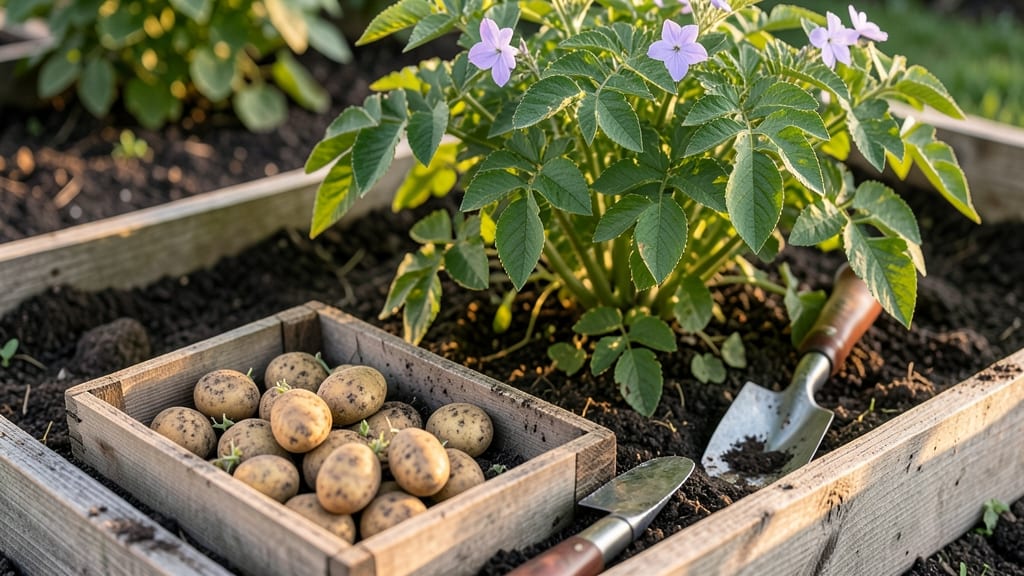
Timing when you can plant potatoes in NC just right can mean the difference between a bumper crop and wasted effort.
The perfect window to plant potatoes opens 4-6 weeks before your last frost date, but with NC's diverse climate zones—from coastal marshes to mountain valleys—your exact start date depends on where you live.
Whether you're in the Piedmont's Zone 7a or the warmer Zone 8b of the coast, getting this right ensures your tubers develop properly before summer heat arrives. Early varieties can go in as soon as soil reaches 45°F, while late-season potatoes wait until March or April for ideal conditions.
I'll break down exactly when to plant by variety and region, plus pro tips to extend your harvest season. No more guessing—just science-backed timing for NC gardeners.
Ready to grow potatoes that outperform store-bought? Let's get your planting schedule locked in for a June-to-September harvest.
NC potato planting calendar: exact weeks before last frost by region
North Carolina’s diverse climate—from the coastal plains to the mountains—means your potato planting window varies dramatically. In Zone 7a (Piedmont), aim for 4-6 weeks before the last frost (typically mid-February to early March), while Zone 8a (Coastal) can start as early as late January.
The mountains (Zone 6a) often wait until late March to avoid late frosts.
Your last frost date is the anchor for timing. For early varieties (like Red Pontiac), plant 6-8 weeks before last frost; for late varieties (like Kennebec), wait 4-6 weeks. In unpredictable years, use a soil thermometer—potatoes thrive in 45-55°F soil—to confirm readiness.
Here’s how NC’s regions break down for optimal planting windows and harvest timing based on last-frost averages:
Adjust your schedule if unseasonable warmth hits early. For example, if soil temps hit 50°F in January (common in Zone 8a), go ahead and plant early varieties—just cover them with frost cloth if nights dip below 30°F.
Conversely, if late frosts linger, wait until soil warms consistently to 45°F before planting.
Succession planting is key for a continuous harvest. In Zone 7a, plant early varieties every 2 weeks from February to April to stagger harvests from June to August. This works especially well for Yukon Gold (90-day variety) and Red LaSoda (75-day variety).
For late-season varieties like Kennebec (120 days), plant no later than April 1 in Zone 7a to avoid fall frosts. In Zone 8a, you can push it to mid-April, but monitor daylight hours—potatoes need longer days to bulk up tubers.
Soil prep is just as critical as timing. Work in compost or aged manure 2-3 weeks before planting to warm the soil faster. Avoid fresh manure, which can burn roots and attract pests. Aim for well-draining soil with a pH of 5.0–6.5—test your soil in fall to adjust if needed.
Mulch heavily (4–6 inches of straw) after planting to retain moisture and insulate roots from temperature swings. This is especially important in dry years or mountain regions, where soil moisture can fluctuate wildly. Mulch also suppresses weeds, reducing competition for nutrients.
If you’re in Zone 8a and want to extend your season, try fall planting for late varieties. Plant late August to early September for a winter harvest (December–February).
Use black plastic mulch to warm the soil and protect tubers from freezing temps. Just be prepared to harvest before first frost (usually November 1).
Remember: Potatoes hate cold soil. If you plant too early and soil temps drop below 40°F, growth stalls, and tubers may rot. Use a soil thermometer to confirm consistent 45°F+ temps before committing to planting.
Best potato varieties for NC planting: when and why to choose them
North Carolina’s diverse climate zones demand careful potato variety selection—early-season types thrive in Zone 7a’s shorter growing season, while late-season varieties excel in Zone 8b’s extended warmth. Let’s break down the top 3 varieties for NC gardens, their ideal planting windows, and how soil temperature dictates timing.
For Coastal NC (Zone 8a-8b), prioritize late-maturing varieties like Kennebec, which handles warmer soils and longer growing seasons. In Piedmont (Zone 7a-7b), mid-season types such as Red Pontiac strike a balance, while Mountain regions (Zone 6a-6b) favor quick-maturing Red LaSoda to avoid early frost.
Soil temperature is critical—potatoes won’t sprout until soil reaches 45°F. Use a soil thermometer to confirm readiness; coastal areas often hit this mark by mid-February, while mountains may wait until late March.
| Variety | Days to Maturity | Best NC Zone | Planting Window | Key Trait |
|---|---|---|---|---|
| Yukon Gold | 90-110 days | 7a-8b | March-April | Buttery, high-yield |
| Red Pontiac | 70-90 days | 6a-7b | February-March | Early, disease-resistant |
| Kennebec | 110-130 days | 8a-8b | March-April | Late, storage-friendly |
Seed potatoes (not grocery store spuds!) are your best bet for consistent germination. Cut seed pieces with at least 2 eyes 1-2 weeks before planting to jumpstart growth. Place them in a cool, bright spot (like a windowsill) to encourage chitting—small sprouts that signal readiness.
For succession planting, stagger varieties every 2 weeks to extend harvests. Early types like Red LaSoda (60 days) give you June spuds, while late Kennebecs reward you in September. Just remember: never plant after June 1st in most NC zones, or your tubers may develop hollow heart disease.
Pro tip: Test soil pH (aim for 5.0-6.5) before planting. Sandy soils in coastal NC drain fast—mix in compost to retain moisture, while clay-heavy Piedmont soils benefit from gypsum to improve structure. Adjust your planting timeline if soil prep takes longer than expected!