
Plants
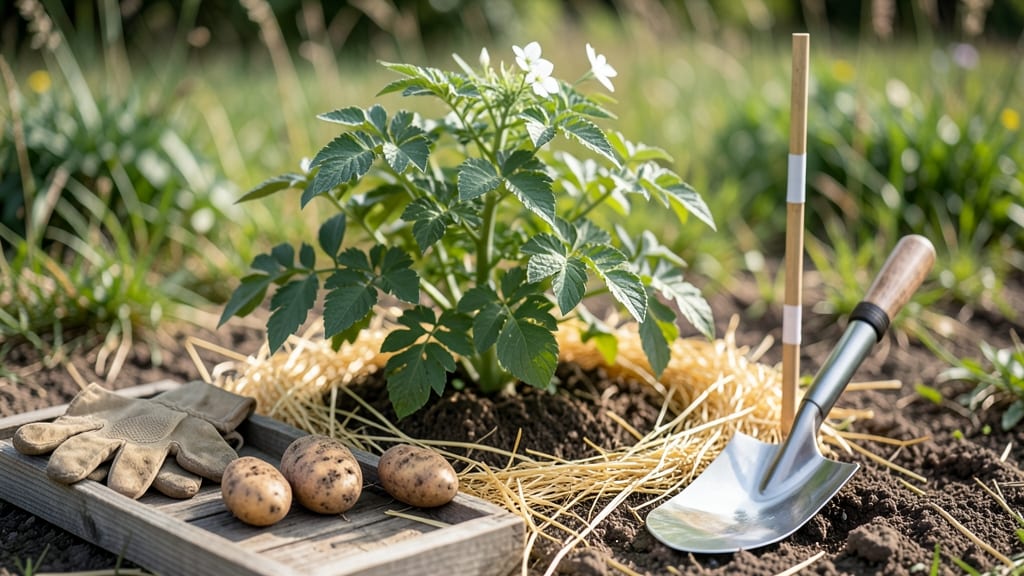
Planting potatoes in Florida isn’t as simple as dropping them in the dirt—timing is everything to avoid soggy tubers or stunted growth. With year-round warmth and no frost to signal seasons, Florida gardeners have unique windows to grow 🥔 potatoes successfully, but getting it wrong means wasted effort.
The key lies in two peak planting seasons: February-March for spring harvests and September-October for fall yields. These months strike the perfect balance between cooling temperatures and Florida’s heat, giving your potatoes the best chance to thrive. Skipping this timing often leads to stress, disease, or poor-quality tubers.
But here’s the game-changer: Florida’s climate also lets you experiment with heat-tolerant varieties that most northern gardeners can’t grow. Whether you’re in Miami’s Zone 11 or Tallahassee’s Zone 8, I’ll show you exactly which potatoes to pick and how to prep your soil for maximum success.
Ready to grow potatoes that actually produce? Let’s dive into the exact months, soil tricks, and variety secrets that’ll turn your Florida garden into a tuber treasure trove—no more guesswork, just guaranteed harvests.
Best planting months for potatoes in Florida’s climate zones
Florida’s frost-free climate means you can grow potatoes year-round, but timing is everything to avoid heat stress or disease pressure. The key is planting when soil temperatures stay below 80°F—too hot, and your tubers turn bitter or rot.
I’ve grown potatoes in Florida’s North, Central, and South zones (8A-10A), and these windows work best:
For North Florida (Zones 8A-9A), aim for February–March for spring harvests or September–October for fall harvests. In Central Florida (Zone 9B), you can push spring planting to late March and fall to early October.
Meanwhile, South Florida (Zones 10A-11) gardeners can plant year-round with shade protection during summer months.
Here’s how to match your zone to the perfect planting window:
Spring planting is my favorite because the cooler weather reduces disease risks like late blight, which thrives in Florida’s humidity. Start seed potatoes indoors in late January for North Florida or early February for Central/South, then transplant when soil temps hit 60°F.
For fall, I wait until September to give tubers time to mature before winter rains arrive.
If you’re in North Florida (Zone 8A), you might experience rare light frosts in January. Use row covers to protect young plants, but potatoes are generally frost-sensitive.
In South Florida (Zone 11), summer planting requires extra care—opt for shade cloth or plant in afternoon shade to prevent tuber scorch.
Pro tip: Test your soil’s pH (5.8–6.5) before planting. Florida’s sandy soils often need compost or peat moss to retain moisture. I mix in aged manure at planting to give tubers a nutrient boost without burning roots.
For container growing, use large pots (at least 12 inches deep) and plant in spring or fall only. Summer containers dry out too fast, and tubers won’t form properly. If you’re eager for a summer crop, try ‘Sweet Potatoes’ instead—they handle heat like champs!
Timing isn’t just about months—it’s about soil temperature. Use a soil thermometer to confirm temps are below 80°F before planting. In my Central Florida garden, I’ve seen tubers rot when planted in April’s 85°F soil, even though it’s technically spring.
Remember: Florida’s hurricane season (June–November) can disrupt planting. If a storm’s forecast, delay planting until after September 1st to avoid flooded soil. And always harvest before October’s rains to prevent rot in fall crops.
🌱
Best planting months for potatoes in Florida’s climate zones
Florida’s unique climate—warm year-round with rare frost—means you can grow potatoes almost anytime, but timing is everything. The key windows are February-March for spring crops and September-October for fall harvests, avoiding the brutal summer heat that stresses tubers.
Northern Florida (Zones 8A-9A) has slightly cooler winters, while South Florida (Zones 10A-11) can plant year-round with shade protection.
In North Florida, aim for late winter to early spring (February-March) to beat the heat.
Soil temps above 85°F slow tuber formation, so fall planting (September) is your second chance. Central Florida gardeners can stretch planting to January-February and August-September, while South Florida’s longer frost-free season allows year-round planting with shade cloth during peak summer.
| Zone | Best Planting Months | Avoid | Harvest Window |
|---|---|---|---|
| North (8A-9A) | Feb-Mar, Sep-Oct | May-Aug | Apr-May, Nov-Dec |
| Central (9B-10A) | Jan-Feb, Aug-Sep | Jun-Jul | Mar-Apr, Oct-Nov |
| South (10B-11) | Year-round (with shade) | None | 2-3 months after planting |
For spring planting, start seed potatoes indoors 6-8 weeks before your target month to jumpstart growth.
In Florida’s heat, soil temperatures above 80°F cause tubers to rot, so use black plastic mulch to warm soil in winter or shade cloth in summer. Fall crops benefit from cooler temps and shorter days, reducing stress on the plants.
Pro tip: Test your soil’s pH (5.8-6.5 ideal) before planting—Florida’s sandy soils often need compost or peat moss for moisture retention. Add aged manure or balanced fertilizer (10-10-10) at planting to give tubers a nutrient boost.
In North Florida, a light frost (below 32°F) can damage young plants, so cover with row covers if needed.
Remember, early varieties (60-90 days) work best for Florida’s short windows. Late varieties (100+ days) risk heat stress unless planted in September for fall harvests. Always chit your seed potatoes (sprout them in light) before planting to ensure faster emergence in Florida’s warm soil.
With the right timing, you can enjoy two potato harvests yearly in Florida—spring and fall—without the guesswork. Just watch those soil temps and adjust your schedule based on your local microclimate! 🌱