
Plants
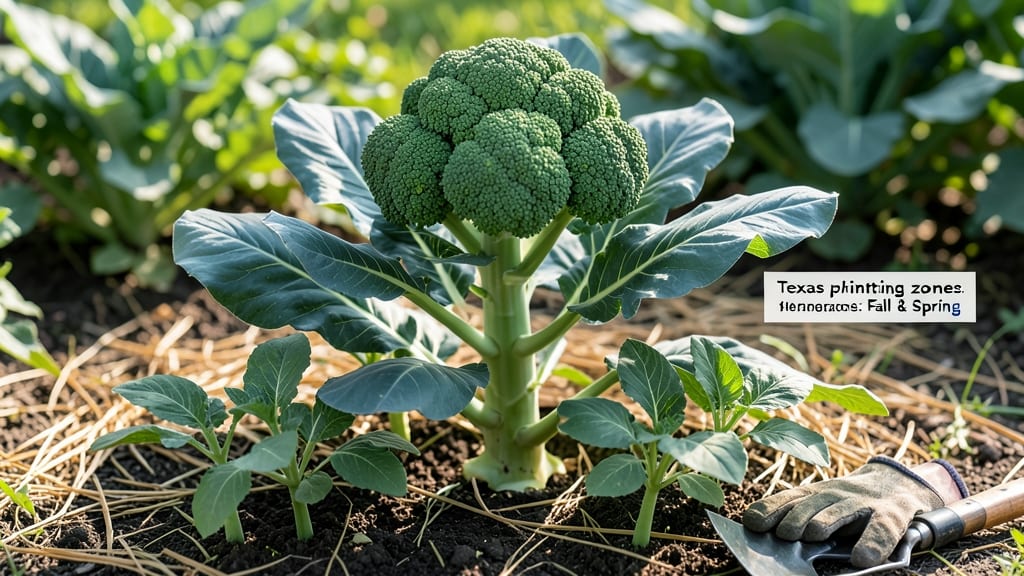
Planting broccoli in Texas might seem tricky with its scorching summers, but timing is everything—and I’ve cracked the code. You can grow this cool-season 🥦 crop successfully by planting at the right moments, avoiding the brutal heat, and choosing varieties that play well in Texas’s climate.
The key is working with Texas’s unique growing seasons. In USDA zones 8a-10b, your best bets are fall and early spring plantings. Skip the summer months unless you’re using shade cloth or other tricks to protect your plants from bolting.
Let’s break down the exact months and strategies to get your broccoli thriving.
Why does timing matter so much? Broccoli hates heat—it bolts (goes to seed) when temperatures climb above 80°F. But with the right schedule, you can harvest fresh heads from November through December or May through June.
I’ll show you how to align your planting with Texas’s frost dates and heat waves for maximum success.
Ready to grow your own Texas-friendly broccoli? You’ll discover the best planting windows, heat-tolerant varieties, and pro tips to beat the heat. Let’s get started!
Best months to plant broccoli in Texas (by region & heat zones)
Texas’s diverse climate means planting broccoli isn’t one-size-fits-all. In North Texas (USDA Zones 7b-8a), you’ll aim for cooler months, while South Texas (Zones 9a-10b) can push the limits slightly.
The key is timing: plant when soil temps hover between 45-75°F—too hot, and broccoli bolts; too cold, and growth stalls. Let’s break it down by region for foolproof success.
For fall crops, Texas gardeners typically plant 4-6 weeks before the first frost.
In North Texas, that’s usually late August to early October, while Central Texas can extend this window until mid-October. South Texas gardeners might even squeeze in a late September planting for a winter harvest, though heat stress remains a risk.
Spring plantings should happen 2-3 months before summer heat peaks—so February to early March for most regions.
Here’s the visual cheat sheet for Texas broccoli planting by region, including exact months and frost considerations:
| Region | USDA Zone | Fall Planting Window | Spring Planting Window | First Frost Date | Key Tip |
|---|---|---|---|---|---|
| North Texas | 7b-8a | Late August–Early October | February–Early March | ~December 15 | Use row covers after planting to protect from late frosts. |
| Central Texas | 8a-8b | Mid-August–Mid-October | Late January–Early March | ~December 1 | Prioritize heat-tolerant varieties like 'De Cicco' for extended seasons. |
| South Texas | 9a-10b | Late August–Early October | February–March | ~November 15 | Plant in partial shade to avoid bolting; mulch heavily. |
Direct sowing vs. transplants? Transplants give you a 2-3 week head start and are ideal for Texas’s short growing windows. Start seeds indoors 4-6 weeks before outdoor planting or buy 6-week-old seedlings from local nurseries.
For direct sowing, scatter seeds ¼ inch deep and thin seedlings to 12-18 inches apart—this works best in North Texas where summers are slightly cooler.
Watch for soil temperature: broccoli roots struggle in soil warmer than 75°F. Use a soil thermometer to monitor—if temps creep higher, delay planting or use shade cloth (30-50% block) to buy time.
I’ve seen Central Texas gardeners plant as late as October 15 with shade cloth, then remove it by November once temps drop.
Pro tip: Succession planting every 2-3 weeks in fall ensures a continuous harvest. For example, in North Texas, plant a batch in late August, another in mid-September, and a final one in early October.
This stretches your harvest from November through January. In South Texas, space plantings 3 weeks apart from September to November for a staggered crop.
Texas’s variable frost dates add another layer. While North Texas might see frost by mid-December, South Texas rarely dips below freezing. If you’re in Zone 9b+, you can experiment with year-round plantings in high tunnels or containers moved to shade during peak heat.
Just be ready to harvest quickly before summer returns.
One common mistake? Planting too early in spring. By April, Texas heat is relentless. I’ve watched broccoli bolt in 10 days when planted in late March in Central Texas. Stick to February for spring crops, and pair with drip irrigation to maintain soil moisture.
For container growing (great for urban Texas gardeners), use 5-gallon pots and plant February–March or September–October. Move containers to shaded patios during 100°F+ days to prevent heat stress. Containers dry out faster, so water daily in summer and every other day in cooler months.
Remember: Broccoli thrives in cool weather, but Texas’s long growing season lets you play with timing. The sweet spot is fall for most regions—just plant early enough to harvest before January’s chill sets in.
With these regional guidelines, you’ll avoid the heat-induced bolting that ruins so many Texas broccoli crops. 🌱
Best months to plant broccoli in Texas (by region & heat zones)
Texas’s diverse climate means broccoli planting times vary wildly from North Texas to South Texas. The key is avoiding summer heat (above 80°F) and planting when soil temps stay below 75°F. For most of Texas, this means two ideal windows: late summer/fall and early spring.
In North Texas (USDA Zones 7b-8a), your last frost date is around December 15, so aim to plant transplants or seeds between September 1-15 for a fall crop. For spring, start seeds indoors in February and transplant by March 15—just as temperatures begin to stabilize.
| Region | Fall Planting Window | Spring Planting Window | Harvest Window |
|---|---|---|---|
| North Texas (Zones 7b-8a) | Sept 1–15 (transplants) Aug 15–Sept 1 (seeds) |
Feb 15–Mar 1 (transplants) Jan 15–Feb 1 (seeds) |
Nov–Dec (fall) May–June (spring) |
| Central Texas (Zones 8a-8b) | Aug 15–Sept 30 (transplants) Jul 15–Aug 15 (seeds) |
Feb 1–Mar 15 (transplants) Jan 1–Feb 1 (seeds) |
Oct–Nov (fall) Apr–May (spring) |
| South Texas (Zones 9a-10b) | Aug 1–Sept 15 (transplants) Jun 15–Jul 15 (seeds) |
Jan 15–Feb 28 (transplants) Dec 1–Jan 15 (seeds) |
Sep–Oct (fall) Mar–Apr (spring) |
Transplants grow faster than seeds—ideal for Texas’s short cool seasons.
In Central Texas (Zones 8a-8b), you’ve got a slightly longer window to play with. Start direct sowing seeds as early as July 15 for a fall crop, but transplants planted by August 15 will give you the best head start.
For spring, transplant by March 15 to avoid bolting before harvest.
South Texas (Zones 9a-10b) gardeners have the earliest and latest options. You can start seeds as early as June 15 for a fall crop, but transplants planted by August 1 are your safest bet. Spring planting is riskier—transplant by February 1 and hope for a quick harvest before heat sets in.
Pro tip: Use shade cloth (30-50%) if planting in late summer to protect young seedlings from 90°F+ temps. Also, succession planting every 2-3 weeks in fall/spring ensures a steady harvest. In North Texas, you might even squeeze in a winter crop if you plant by October 15!
Remember, soil temperature matters more than air temperature. Use a soil thermometer to confirm temps are below 75°F before planting—broccoli roots struggle to form in hot soil. If your soil is too warm, wait or use shade cloth to cool it down.