
Planting
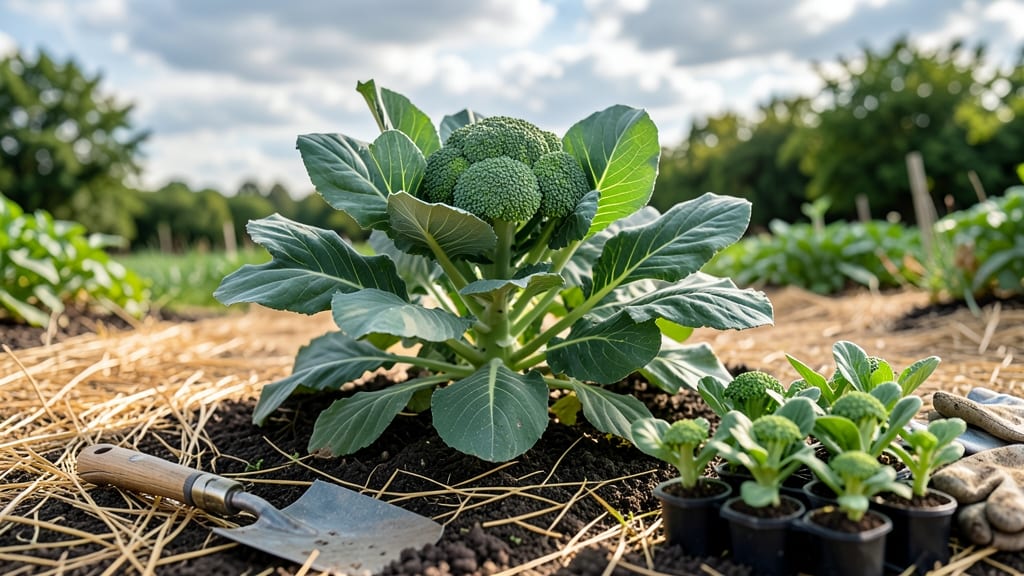
Timing your fall garden in North Texas could mean the difference between a bountiful harvest and frost-killed plants by Thanksgiving.
The key isn't just waiting for summer to end—it's planting 6-8 weeks before that first frost, when soil temps are still warm enough for heat-loving crops like okra and sweet potatoes.
North Texas gardeners in zones 8a-8b have a narrow window—late July to early September—to get seeds in the ground before temperatures drop. Miss this, and you risk stunted growth or crops that bolt too fast.
But get it right, and you'll enjoy fresh greens, root veggies, and even winter squash straight from your backyard.
I’ll break down exactly which crops thrive in this transition period, how to prep your soil for cooler weather, and why succession planting can extend your harvest well into December. No more guessing—just proven strategies to make the most of North Texas’s unique fall growing season.
Whether you’re a first-time gardener or a seasoned pro, these tips will help you avoid common pitfalls and turn your late-summer heat into a goldmine of fall harvests. Let’s get those 🥬 planted at the perfect moment!
Exact weeks before first frost to plant heat-resistant fall crops in North Texas
North Texas’ first frost typically hits around mid-November, but your fall garden’s success hinges on planting 6-8 weeks before that date. For most heat-resistant crops like okra and sweet potatoes, this means starting in late July to early September.
The key is balancing soil warmth (still hot in August) with the cooling trend that begins in September.
I’ve planted fall gardens for over a decade in USDA Zone 8a-8b, and I’ve learned that soil temperature is just as critical as air temperature. Most heat-loving crops need soil temps above 70°F to germinate, while cool-season crops like kale and turnips prefer 55-65°F.
Timing your plantings around these thresholds ensures strong starts before the chill sets in.
Here’s the exact timeline for planting heat-resistant fall crops in North Texas, based on my trials and local extension service data:
| Crop Type | Planting Window | Soil Temp Requirement | Weeks Before Frost | Harvest Window |
|---|---|---|---|---|
| Heat-Resistant Crops | Late July - Early August | 70°F+ | 8-10 weeks | September - October |
| Okra, Black-Eyed Peas, Sweet Potatoes | Late July - Mid-August | 75°F+ | 7-9 weeks | September - November |
| Cool-Season Crops | Mid-August - Early September | 55-65°F | 6-8 weeks | October - December |
| Kale, Turnips, Carrots, Lettuce | Late August - Early September | 60°F+ | 5-7 weeks | October - December |
| Succession Planting | Every 2-3 Weeks (Aug-Sept) | Varies by crop | N/A | Staggered harvests |
For okra and sweet potatoes, I recommend planting seeds directly in the soil in late July to take full advantage of summer’s residual heat. These crops thrive in 90°F+ soil, which is still common in North Texas through early August.
If you wait until mid-August, germination slows dramatically, and you risk smaller yields before frost.
Cool-season crops like kale and turnips should go in late August to early September, when daytime highs drop below 90°F. I’ve found that transplanting seedlings (rather than direct sowing) gives them a 2-week head start in cooler soil.
Use black plastic mulch to warm the soil faster if you’re planting early in the window.
Pro tip: Check your local first frost date using the Texas A&M AgriLife Extension tool, as microclimates in North Texas can vary by 1-2 weeks. For example, areas like Denton tend to frost 1 week earlier than Austin. Adjust your planting dates accordingly to avoid frost damage.
If you’re unsure about soil temperatures, use a soil thermometer (they’re cheap and save headaches). Aim to plant when soil temps are consistently above 70°F for heat lovers or below 85°F for cool-season crops.
This small step can mean the difference between a bountiful harvest and a wasted season.
Finally, don’t forget to harden off seedlings if you’re starting them indoors. Move them outside for 2-3 hours daily the week before transplanting to prevent shock. This is especially critical for leafy greens like lettuce and spinach, which bolt quickly in North Texas’ unpredictable fall weather.
With these exact weeks in mind, you’ll be well on your way to a productive fall
Exact weeks before first frost to plant heat-resistant fall crops in North Texas
North Texas’ first frost date typically lands around mid-November, but your fall planting window actually opens much earlier—starting in late July for heat-loving crops like okra and sweet potatoes. The key is planting 6-8 weeks before frost to ensure a full harvest before cold snaps hit.
For cool-season crops (think kale, spinach, and carrots), aim for 4-6 weeks before frost—that’s early September at the latest. Soil temperatures matter too: most seeds need 60°F+ to germinate, so check before planting. In North Texas, soil stays warm enough until early October in most areas.
| Crop Type | Planting Window | Weeks Before Frost | Soil Temp Needed |
|---|---|---|---|
| Heat-Resistant (Okra, Peas, Sweet Potatoes) | Late July - Early August | 8-10 weeks | 65°F+ |
| Cool-Season (Kale, Carrots, Spinach) | Early September | 4-6 weeks | 50°F+ |
| Transplants (Broccoli, Cabbage) | Mid-August - Late August | 6-8 weeks | 55°F+ |
Pro tip: Use row covers or cold frames to push your harvest window 2-3 weeks later—just don’t wait past October 15 for most crops. For example, collard greens planted in early September can survive light frosts and even taste sweeter after a freeze!
If you’re in West Texas (Zone 8b), you’ve got a 1-2 week advantage over East Texas (Zone 8a) due to drier air and later frosts. Always check your local frost date—the National Weather Service or Texas A&M AgriLife provides updated forecasts.
For succession planting, sow fast-growing crops like radishes or lettuce every 2 weeks until mid-September. This ensures a steady harvest before the first frost wipes out your entire garden. Think of it as a fall garden insurance policy!
Don’t forget to prep your soil in late summer—add compost and a balanced fertilizer (like 5-10-10) to give your fall crops a nutrient boost. Healthy soil = healthier plants that can better handle North Texas’ unpredictable weather swings.